
Beautiful Plants For Your Interior
Beautiful Plants For Your Interior
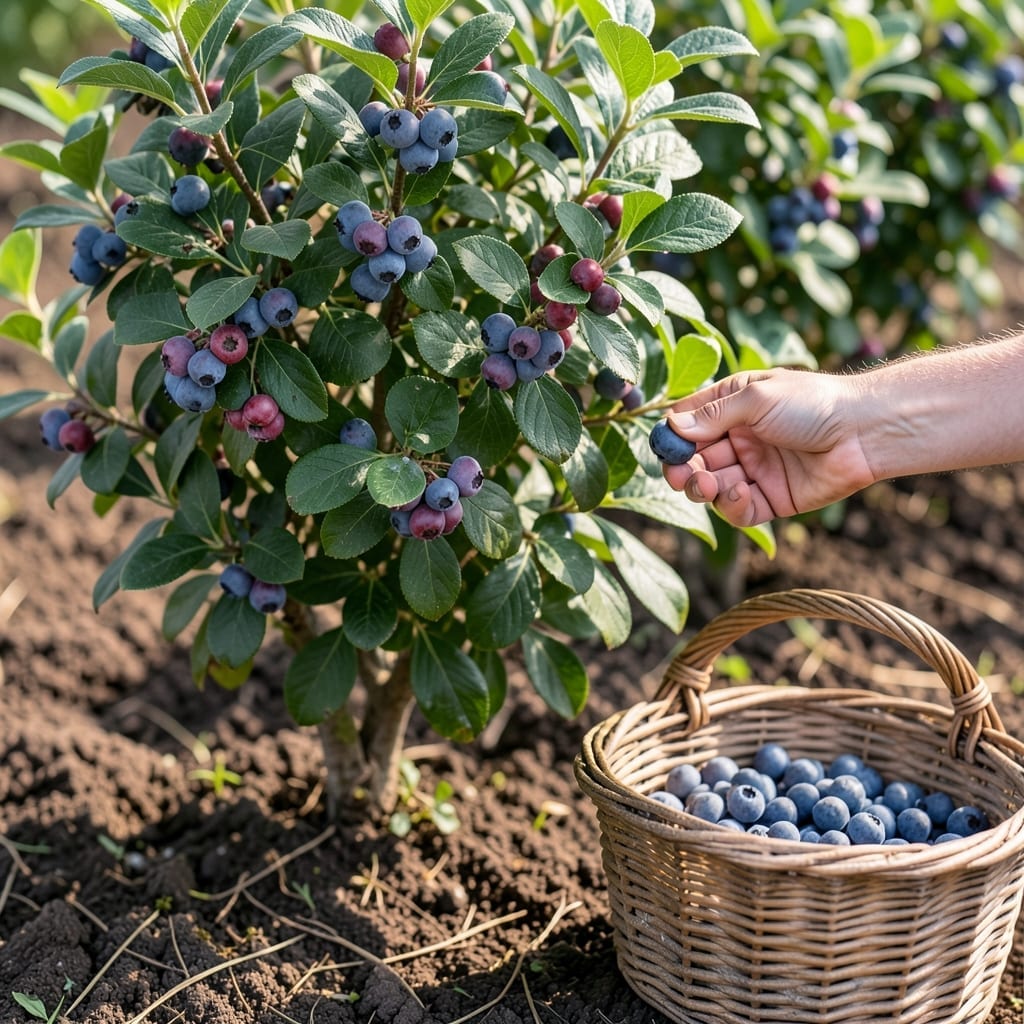
Georgia’s warm climate and diverse regions create unique blueberry ripening schedules that every home gardener and commercial grower should know. Timing your harvest right ensures the sweetest, juiciest berries straight from the bush.
The 🫐 Blueberry season in Georgia varies by region, with northern areas typically seeing ripe fruit a bit later than southern zones. Understanding these differences can make or break your harvest.
I’ve spent years studying Georgia’s growing conditions, and what I’ve learned about the May – July harvest window will help you pick at peak ripeness. The timing isn’t just about the calendar—it’s about watching your plants closely.
Let me walk you through how to spot the perfect moment to harvest, so you never miss that optimal flavor again. The difference between a good berry and a great one is all in the timing.
Georgia’s unique climate divides the state into distinct blueberry ripening windows. Northern regions like Blairsville see harvests 2-3 weeks later than southern areas like Valdosta, where warmth accelerates growth.☀️
Early varieties like Climax Rabbiteye ripen first, often by mid-May in south Georgia. Mid-season types such as Tifblue follow in early June, while late varieties like Powderblue may extend into July.🌿
| Region | Early Variety | Mid-Season Variety | Late Variety |
|---|---|---|---|
| North Georgia | Late May | Mid-June | Early July |
| Central Georgia | Mid-May | Early June | Late June |
| South Georgia | Early May | Late May | Mid-June |
In south Georgia, the warm spring and longer growing season mean blueberries ripen earlier. Varieties like Southern Highbush thrive here, often ready by early May in ideal conditions.🌱
Central Georgia, including Macon and Columbus, experiences a balanced ripening schedule. Early varieties start in mid-May, with peak harvests for most types in June. This region benefits from moderate temperatures and consistent rainfall.
Northern Georgia’s cooler climate and higher elevation slow ripening. Gardeners here should expect early varieties around late May, with mid-season and late varieties following in June and July. Frosts can occasionally delay early harvests.❄️
The Rabbiteye blueberry, Georgia’s most popular type, is drought-tolerant and well-suited to the state’s sandy soils. These bushes often produce larger harvests in central and south Georgia due to the warmer climate.🌳
For home gardeners, I recommend planting multiple varieties to extend the harvest season. Pairing Climax with Powderblue can provide fresh blueberries for 6-8 weeks straight. This strategy works well across all regions.
Soil pH levels also impact ripening. Blueberries need acidic soil (pH 4.5-5.5). In northern Georgia, where soils may be less acidic, amending with sulfur or peat moss can help achieve optimal conditions.💧
Finally, weather fluctuations can shift ripening by a week or more. A late frost in spring may delay early blooms, while a heatwave can speed up maturation. Always monitor your bushes closely as the season progresses.
Knowing the exact moment your blueberries are ripe ensures you get the sweetest flavor and best texture. In Georgia, I watch for deep blue color as the first sign, but there are other clues too.
Ripe berries will have a slight give when gently squeezed and a powdery coating called bloom. They should also come off the stem with a gentle tug without resistance.
I always recommend checking a few berries from different parts of the bush. If they’re all showing these signs, it’s time to start harvesting. Georgia’s warm climate means berries can ripen quickly once they begin.
Another trick I use is the taste test. Pick one or two berries and sample them. If they’re sweet and juicy, the rest are likely ready too. If they’re still tart, give them a few more days.
Remember, overripe blueberries can become mushy and fall off the bush on their own. To avoid losing your crop, check your plants every 2-3 days during peak ripening season.
Finally, pay attention to weather patterns. A stretch of hot, dry days can speed up ripening, while cool, rainy weather may slow it down. Georgia’s variable spring weather makes this especially important. ☀️