
Beautiful Plants For Your Interior
Beautiful Plants For Your Interior
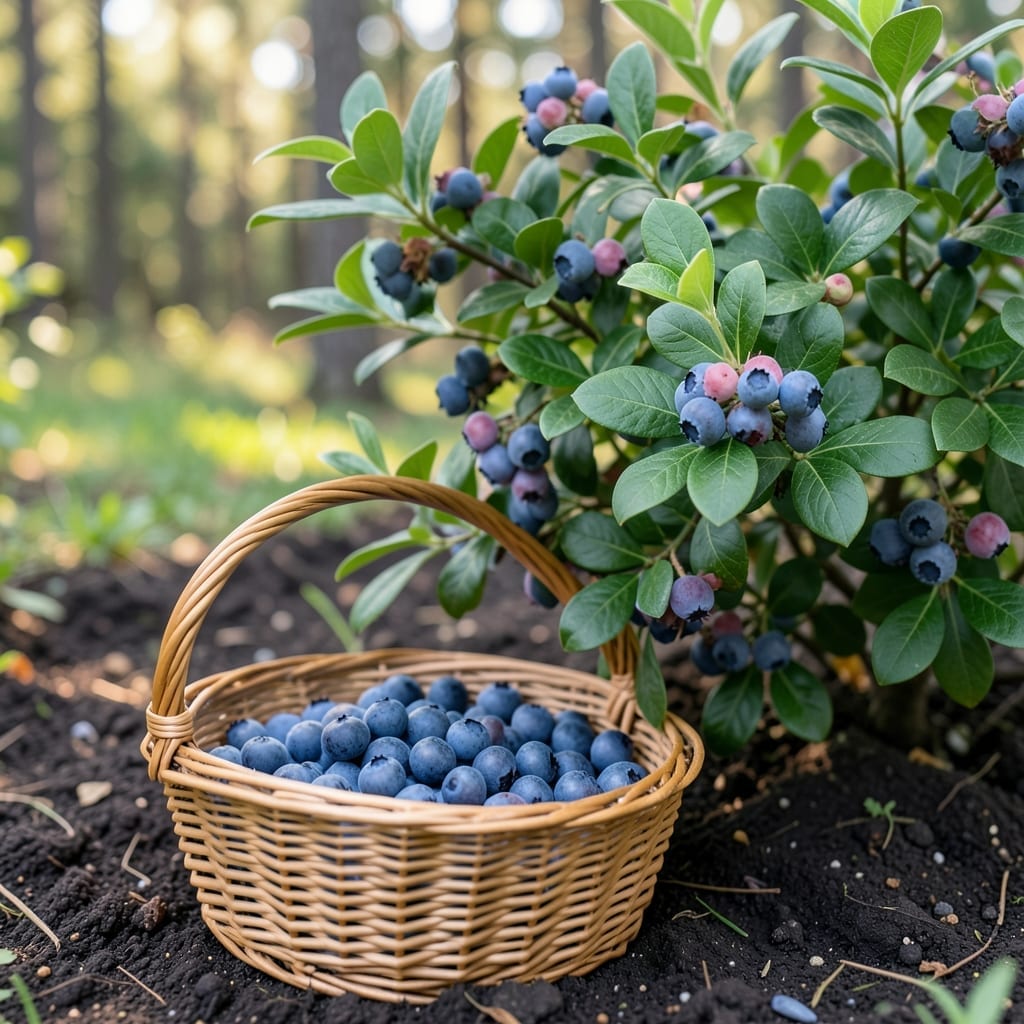
Timing is everything when it comes to harvesting plump, sweet Blueberry 🫐 from your garden. Knowing exactly when these delicious berries fruit ensures you don’t miss the peak season for the juiciest harvest.
I remember the first time I planted Blueberry bushes – the anticipation of that first ripe berry was almost too much. But without understanding the seasonal timeline, you might be left wondering when to expect results.
Whether you’re in USDA zones 4-7 or just starting your gardening journey, the fruiting period typically falls between June and August. This window can shift slightly based on variety and local climate conditions.
Discover how to pinpoint the perfect harvest time for your Blueberry bushes and learn the signs that indicate your berries are ready to pick. Let’s make this your most productive season yet.
If you’re wondering when blueberries fruit, the answer depends largely on the variety and your climate zone. Early-season types often ripen in June, while mid and late varieties stretch the harvest into July and August. ☀️
In warmer regions like the Southern U.S., blueberries may fruit as early as May, while cooler areas such as the Pacific Northwest see peak harvests in late summer. The USDA zones 4-7 are ideal for most cultivated varieties. 🌿
| Variety | Fruiting Time | Climate Suitability |
|---|---|---|
| Early-Season | May – June | Warmer zones |
| Mid-Season | June – July | Moderate climates |
| Late-Season | July – August | Cooler regions |
| Rabbiteye | July – August | Southern states |
I’ve found that highbush blueberries, the most common type, typically fruit for 4-6 weeks depending on the cultivar. For example, ‘Duke’ is an early variety, while ‘Jersey’ is a late-season producer. 🪴
Climate plays a huge role too. In mild coastal areas, the season may start earlier, while inland regions with hotter summers might see a slightly delayed but longer harvest window. Always check your local frost dates for the most accurate timing.
Another factor is chill hours. Blueberries need a certain number of cold winter hours (usually 200-800) to set fruit properly. Varieties like ‘Bluecrop’ require 800 chill hours, making them ideal for colder climates. ✂️
If you’re in a region with short winters, look for low-chill varieties such as ‘Misty’ or ‘O’Neal’. These can fruit successfully with as few as 150-300 chill hours, perfect for gardeners in zones 8-10.
I always recommend planting multiple varieties to extend your harvest. Pair an early type like ‘Earliblue’ with a late one like ‘Elliot’ to enjoy fresh berries for nearly 2 months straight. This also helps with cross-pollination.
Remember that first-year plants may produce only a handful of berries. It takes about 2-3 years for blueberry bushes to reach full production. Be patient—it’s worth the wait for those sweet, homegrown fruits!
Finally, keep an eye on weather patterns. A late spring frost can damage blossoms, reducing your harvest. If frost is forecasted, protect your plants with frost cloths or row covers to safeguard the flowers. 🌱
Knowing the exact moment to pick blueberries ensures the sweetest flavor and best texture. I look for visual cues like a deep, uniform blue color without any red or purple hints.
Beyond color, I check for a slightly soft texture and a sweet aroma. If the berries come off the stem with a gentle tug, they’re ready. Hard or firmly attached berries need more time on the bush.
I avoid picking berries with red or purple patches, as these are not fully ripe. These will taste tart and lack the full sweetness of mature fruit. Patience here pays off with better flavor.
Another trick I use is the taste test. If I sample one or two and they’re sweet and juicy, the rest of the cluster is likely ready. If they’re sour, I wait another few days before checking again.
Timing also depends on the blueberry variety. Early-season types may ripen in late spring, while late varieties can extend into early fall. I always note the expected harvest window for my specific plants.
Finally, I harvest in the early morning when berries are cool and firm. This helps them stay fresh longer after picking. I use a gentle twisting motion to avoid damaging the plant or the fruit.
With these tips, I maximize my blueberry harvest every season. 🌿