
Beautiful Plants For Your Interior
Beautiful Plants For Your Interior
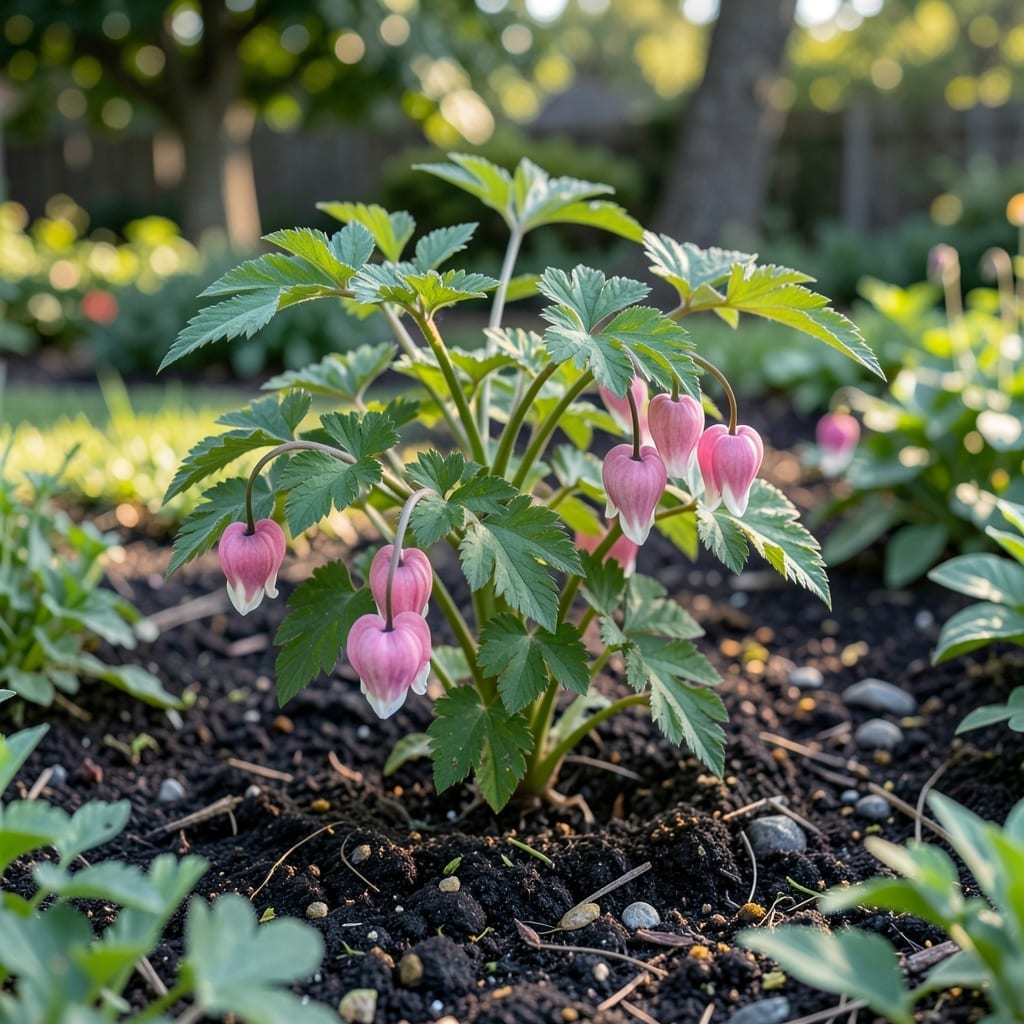
There’s something magical about watching the Bleeding Heart 💖 come to life each year. As a gardener, I know timing is everything when it comes to enjoying those iconic, heart-shaped blooms.
In most areas, you can expect these beauties to flower in early spring, but the exact timing depends on your climate. For zones 3-9, the display typically begins as the soil warms and days grow longer.
I’ll walk you through what to expect and how to encourage the best blooms from your plants. Let’s make this season the most vibrant yet.
As a gardener, I’ve learned that Bleeding Hearts are spring superstars, but their bloom time varies by location. In cooler zones 3-5, expect flowers in late April to May as the soil thaws.
For zones 6-9, the show starts earlier—often March to April—thanks to milder winters. The exact timing depends on soil temperature and daylight hours.
| Zone | Bloom Start | Peak Season | Bloom End |
|---|---|---|---|
| 3-5 | Late April | May | Early June |
| 6-7 | Mid March | April | Late May |
| 8-9 | Early March | March-April | Early May |
I’ve noticed that Dicentra spectabilis, the classic variety, tends to bloom first in spring. In my zone 7 garden, it’s often the earliest sign that warmer weather is here.
The bloom duration typically lasts 4-6 weeks, but this can stretch to 8 weeks in ideal conditions. Consistent moisture and partial shade help extend the display.
If you’re in a warmer climate, your plants may start blooming in late winter. I’ve seen them push through in February during mild years in zone 9.
For cooler areas, don’t worry if your neighbors’ plants bloom first. Bleeding Hearts are worth the wait, and the spring show is always spectacular.
Remember, frost can delay blooming. A late cold snap might push your timeline back by 1-2 weeks. Keep an eye on the forecast.
In my experience, mulching helps regulate soil temperature. A 2-3 inch layer of organic mulch can protect roots and encourage earlier blooms.
Finally, deadheading spent flowers won’t extend the bloom season but keeps your garden looking tidy. The natural cycle will bring them back next year.
Watch for that first pink or white heart to appear—it’s a sure sign spring has arrived in your garden 🌷
I’ve found that with a few simple tricks, you can extend the bloom season of your Bleeding Hearts. The key is creating ideal growing conditions that encourage longer flowering.
First, ensure your plants get consistent moisture without waterlogging. Partial shade is crucial, especially in warmer climates, to prevent premature wilting.
In my garden, I apply a slow-release fertilizer just as new growth appears. This gives the plants a nutrient boost without overwhelming them.
For Dicentra eximia, the fringed variety, I’ve noticed it blooms longer in cooler temps. It often starts in early spring and may produce sporadic flowers through summer.
If your Bleeding Hearts finish blooming too quickly, consider planting in containers. This lets you move them to cooler spots as temperatures rise.
Remember, over-fertilizing can lead to foliage growth at the expense of flowers. I stick to one light feeding in spring and maybe a second in early summer.
With these adjustments, I’ve enjoyed blooms for up to 10 weeks in ideal years. The extra effort is always worth it for these garden gems 🌷