
Beautiful Plants For Your Interior
Beautiful Plants For Your Interior
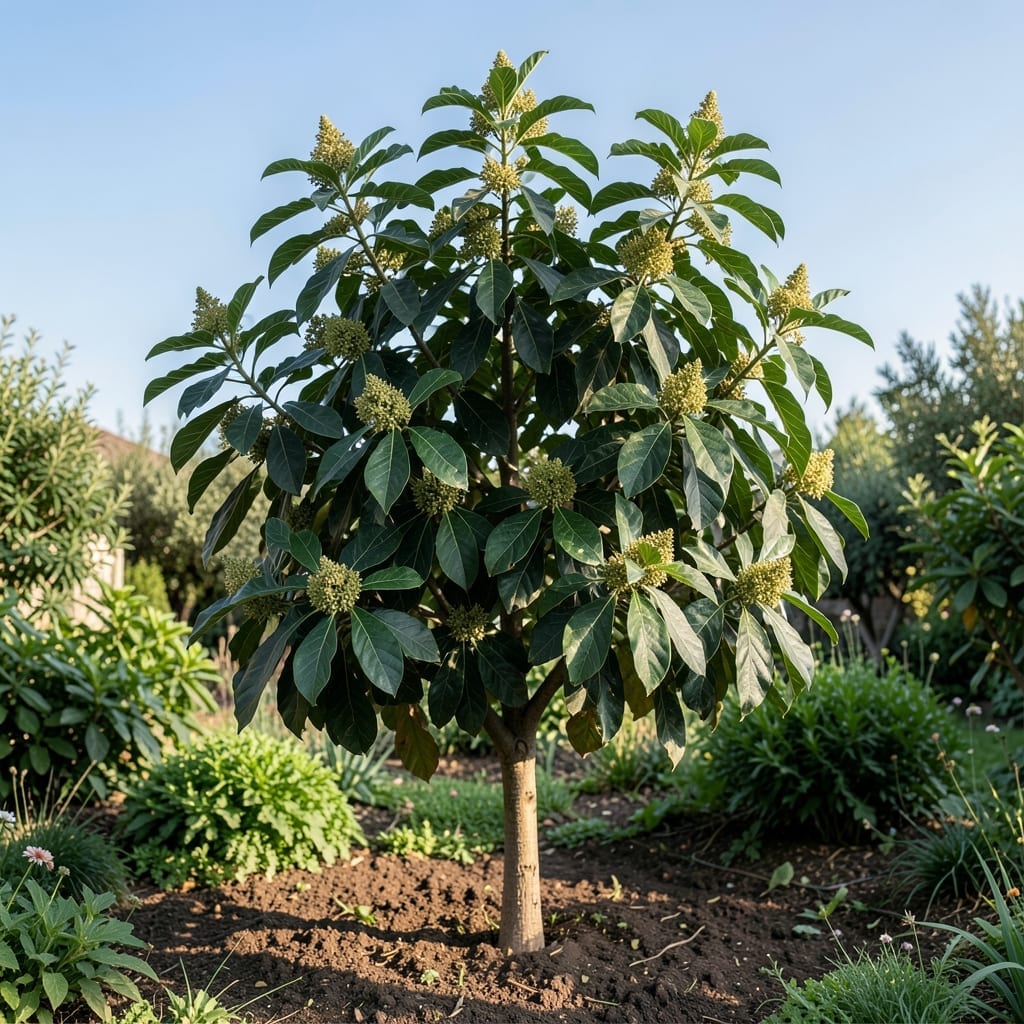
Timing is everything when growing Avocado Trees in Florida—knowing their bloom cycle can mean the difference between a bountiful harvest and a barren season.
Florida’s unique climate creates distinct blooming patterns that every gardener should understand. The 🥑 thrives in zones 9b-11a, where warm weather triggers its flowering process.
I’ve seen firsthand how missing this window can leave you empty-handed. The key is aligning your care with the tree’s natural rhythm during its blooming phase.
Discover how to spot the perfect moment and give your Avocado Tree the best chance to flourish this season.
In Florida, avocado trees typically bloom between March and April, but the exact timing depends on the variety. The state’s warm climate allows for two main types of avocado trees: Type A and Type B, each with distinct blooming patterns.
Type A varieties like Hass and Lula open as female in the morning and male in the afternoon, while Type B, such as Choquette and Booth 8, do the opposite. This differentiation helps with cross-pollination and fruit set.
South Florida gardeners often see earlier blooms due to the warmer microclimate, while Central and North Florida may experience slight delays. I’ve noticed my Choquette in Orlando starts flowering in early March, a full month ahead of my friend’s in Tallahassee.
The Type A and Type B classification is crucial because it affects pollination success. For best results, I recommend planting both types near each other. This ensures flowers are in the right stage for cross-pollination when bees are active.
In cold years, bloom times may shift later. A late frost in February can delay flowering by 2-3 weeks. I always watch the 10-day forecast in early spring to anticipate adjustments in my care routine.
Dwarf varieties like Booth 8 often bloom earlier than standard trees. Their compact size makes them perfect for container gardening on patios. I’ve successfully grown one in a 20-gallon pot that flowers reliably every April.
Remember that young trees may take 3-4 years to produce their first blooms. In my experience, trees started from grafted stock bear flowers sooner than those grown from seed. Patience and proper care are key during these early years.
For optimal fruit set, ensure your trees receive full sun and proper irrigation during the blooming period. I’ve found that drip irrigation works best, as it keeps the soil consistently moist without wetting the flowers.
Finally, watch for pest activity during bloom time. Aphids and avocado lace bugs are common culprits that can damage flowers. I use neem oil as a preventative spray every 2 weeks during the blooming season.
Florida’s diverse microclimates create unique blooming patterns for avocado trees. From the tropical warmth of South Florida to the milder zones up north, timing varies significantly.
I’ve noticed that temperature swings and frost risk play huge roles. Even a late cold snap can delay or damage delicate blossoms, especially in Central Florida.
Key Climate Factors for Avocado Blooms
In South Florida, the warm winters allow early blooming, often starting in January. This gives trees a head start on fruit development before the rainy season.
Further north, Central Florida gardeners typically see blooms in March or April. The last frost date here is critical—I always keep an eye on weather forecasts during this period.
North Florida presents more challenges. With cooler winters, avocado trees often bloom later, around April or May. I recommend frost cloth for young trees in these areas.
Soil conditions matter too. Well-draining soil prevents root rot and supports healthy blooming. I’ve found that sandy loam works best in most Florida regions.
Remember, consistent moisture without waterlogging is key during the blooming period. This helps ensure good fruit set after pollination. ☀️