
Beautiful Plants For Your Interior
Beautiful Plants For Your Interior
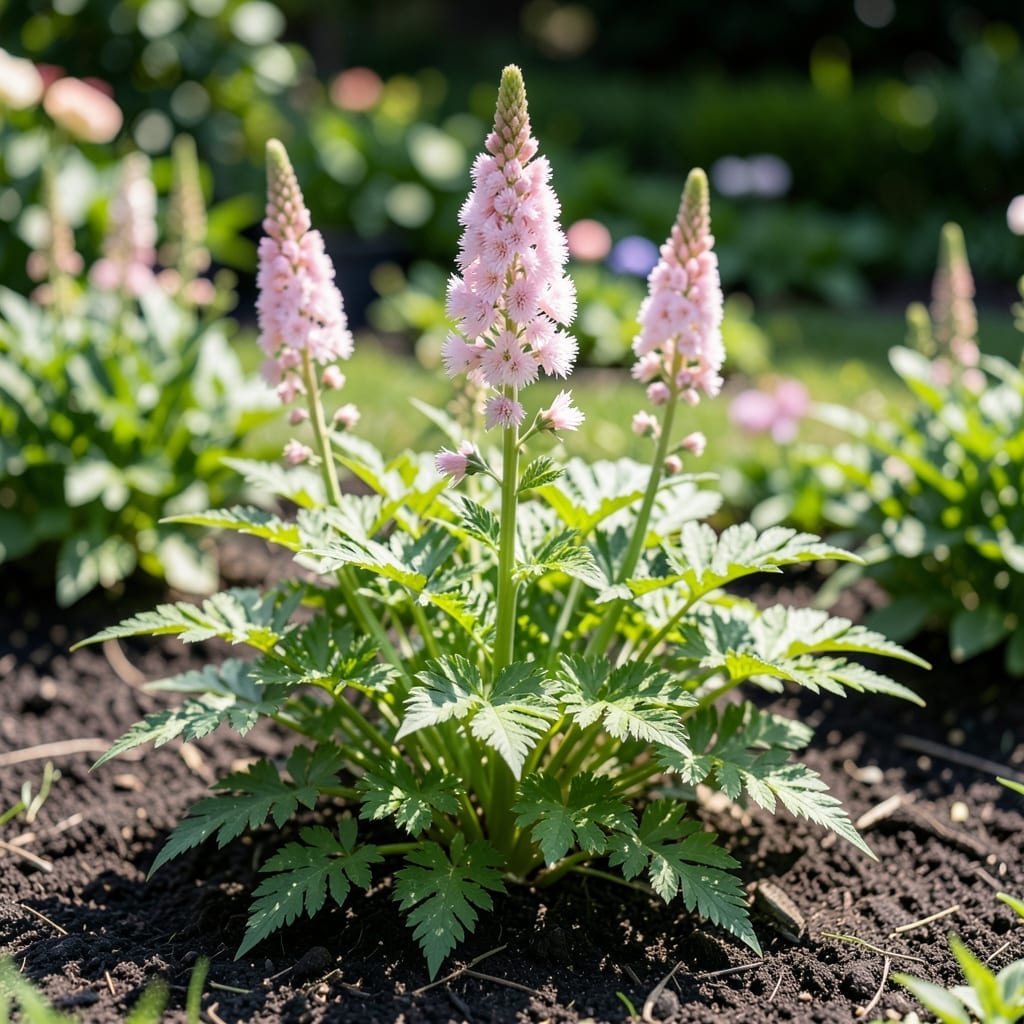
There’s something magical about watching Astilbe 🌸 transform a shady corner with their feathery plumes. But if you’ve ever wondered when to expect that burst of color, you’re not alone.
Timing these blooms isn’t just about luck—it’s about understanding your variety and climate. The difference between early and late bloomers can mean months of staggered beauty in your garden.
Discover how to sync your Astilbe’s rhythm with your growing zone. I’ll show you the simple secrets to a season packed with vibrant color.
If you’ve ever admired Astilbe’s feathery plumes and wondered when they’ll grace your garden, timing varies by cultivar. These shade-loving perennials typically bloom from early summer through late summer, but the exact window depends heavily on the variety you choose.
Early bloomers like ‘Fanal’ often start in June, while mid-season varieties such as ‘Bridal Veil’ peak in July. Late varieties like ‘Sprite’ may not show their colors until August, extending your garden’s vibrant display well into fall.
| Variety | Bloom Time | USDA Zones |
|---|---|---|
| ‘Fanal’ | Early June | 4-8 |
| ‘Bridal Veil’ | Mid July | 4-8 |
| ‘Sprite’ | Late August | 4-8 |
| ‘Deutschland’ | Early to Mid July | 4-8 |
Climate plays a huge role in bloom timing. In cooler zones like USDA 4, Astilbe may bloom slightly later, while in warmer zones like 8, they might start earlier. This natural variation allows gardeners to create a staggered bloom effect by mixing varieties.
For the longest display, I recommend planting a mix of early, mid, and late-season cultivars. This way, you’ll enjoy continuous color from June through September. It’s like having a living calendar in your garden!
Soil conditions also influence blooming. Moist, well-draining soil with plenty of organic matter encourages healthy growth and timely blooms. If your soil tends to dry out, consider adding compost or a layer of mulch to retain moisture.
Light exposure can shift bloom times too. While Astilbe thrives in partial shade, too much shade may delay flowering. Aim for 4-6 hours of morning sun or dappled shade throughout the day for optimal results.
If you’re in a region with hot summers, afternoon shade is especially important. This prevents stress and helps your Astilbe maintain their bloom schedule. I’ve found that plants in ideal light conditions tend to bloom more vibrantly and for longer periods.
Remember that young plants may take a year or two to establish before producing their full bloom potential. Patience is key! Once established, these perennials will reward you with years of reliable color with minimal care.
By understanding these factors, you can create a garden that bursts with Astilbe color exactly when you want it 🌸
To keep your Astilbe blooming longer, I focus on deadheading spent plumes. This simple step encourages the plant to redirect energy into producing new flowers rather than seeds. It’s amazing how this small effort can extend the show by weeks.
Proper planting location is key. I always choose spots with morning sun and afternoon shade to prevent stress. Astilbe thrive in these conditions, producing more vibrant blooms that last longer.
Soil moisture management is another game-changer. I make sure my Astilbe beds stay consistently moist but never soggy. Adding a layer of organic mulch helps retain moisture while keeping roots cool.
Companion planting can create a stunning, staggered display. I pair early-blooming Astilbe with later varieties, ensuring a continuous flow of color. Hostas and ferns make excellent partners, as they share similar shade and moisture needs.
A light feeding of balanced fertilizer in early summer can boost bloom production. I use a 10-10-10 formula every 4-6 weeks to keep my plants vigorous without overstimulating foliage growth.
Finally, remember that healthy plants bloom more reliably. Regularly check for pests or diseases, and address issues promptly. With these strategies, I’ve enjoyed Astilbe blooms from June through September every year 🌸