
Beautiful Plants For Your Interior
Beautiful Plants For Your Interior
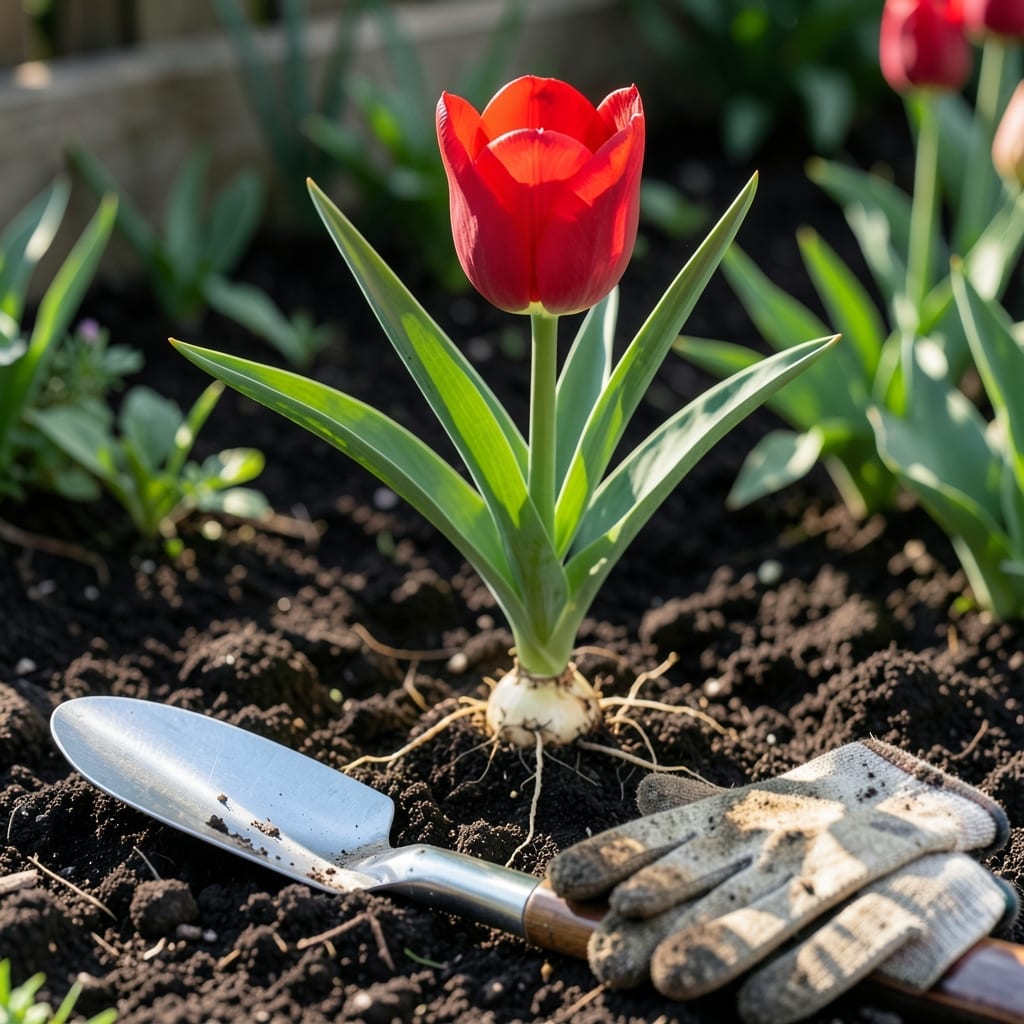
Timing is everything when planting tulips—plant them too early or too late, and you might miss out on vibrant spring blooms. The 🌷 Tulip thrives when given the right start.
I’ve learned that getting this timing right makes all the difference. Whether you’re a seasoned gardener or just starting, knowing when to plant sets you up for success.
Discover the perfect window to ensure your tulips establish strong roots before winter. It’s easier than you might think to get it just right.
Let me walk you through everything you need to know to plant with confidence. Your future self will thank you when those first colorful blooms appear.
I’ve found that the perfect window for planting tulip bulbs is in the fall season, specifically 6-8 weeks before the first hard frost. This timing allows bulbs to establish strong roots before winter dormancy.
In most regions, this means planting from September through November. The key is getting bulbs in the ground when soil temperatures drop below 60°F, but before the ground freezes solid.
| USDA Zone | Ideal Planting Window | Soil Temperature |
|---|---|---|
| 3-4 | September – Early October | Below 60°F |
| 5-6 | October – Early November | Below 60°F |
| 7-8 | November – Early December | Below 60°F |
In colder zones like 3-4, I recommend planting as early as late September. This gives bulbs enough time to root before the harsh winter sets in. The earlier start compensates for the shorter fall season.
For moderate climates in zones 5-6, mid-October through early November works perfectly. I’ve seen this timing produce the most vibrant spring displays in my own garden.
Gardeners in warmer zones like 7-8 can plant as late as December. The milder winters allow for later planting while still meeting the 6-8 week root establishment requirement.
The soil thermometer is your best friend here. I always check that my soil is consistently below 60°F at planting depth. This ensures bulbs won’t sprout prematurely before winter.
Remember that tulips need this cold period to trigger spring blooming. Planting too late means they might not get enough chilling hours, resulting in blind bulbs that don’t flower.
I’ve learned that well-draining soil is just as important as timing. Tulips hate soggy conditions, so if your soil stays wet, consider raised beds or amending with sand or grit.
For the best results, I plant my tulips when the nighttime temperatures consistently drop into the 40-50°F range. This usually aligns perfectly with the soil temperature requirements we’ve discussed.
🌷
Getting tulip bulbs in the soil correctly ensures vibrant spring blooms. I always start by checking the soil temperature—it should be below 60°F for best results. This timing helps bulbs establish roots before winter sets in.
Preparing the planting area is just as important as timing. I loosen the soil to a depth of 12 inches and mix in compost for better drainage and nutrients. Tulips thrive in well-draining soil to prevent bulb rot.
After planting, I
I avoid planting tulips in low-lying areas where water might pool, as soggy soil leads to bulb rot. Instead, I choose a sunny location with at least 6 hours of direct sunlight daily for the best blooms.
After the first frost, I check that the mulch layer is still intact. This extra insulation helps bulbs survive harsh winter conditions. Come spring, I reduce mulch gradually as new growth appears.
Finally, I mark the planting spots with small stakes or labels. This prevents accidental disturbance during spring gardening. With proper timing and care, my tulips reliably produce stunning flowers year after year. ☀️