
Beautiful Plants For Your Interior
Beautiful Plants For Your Interior
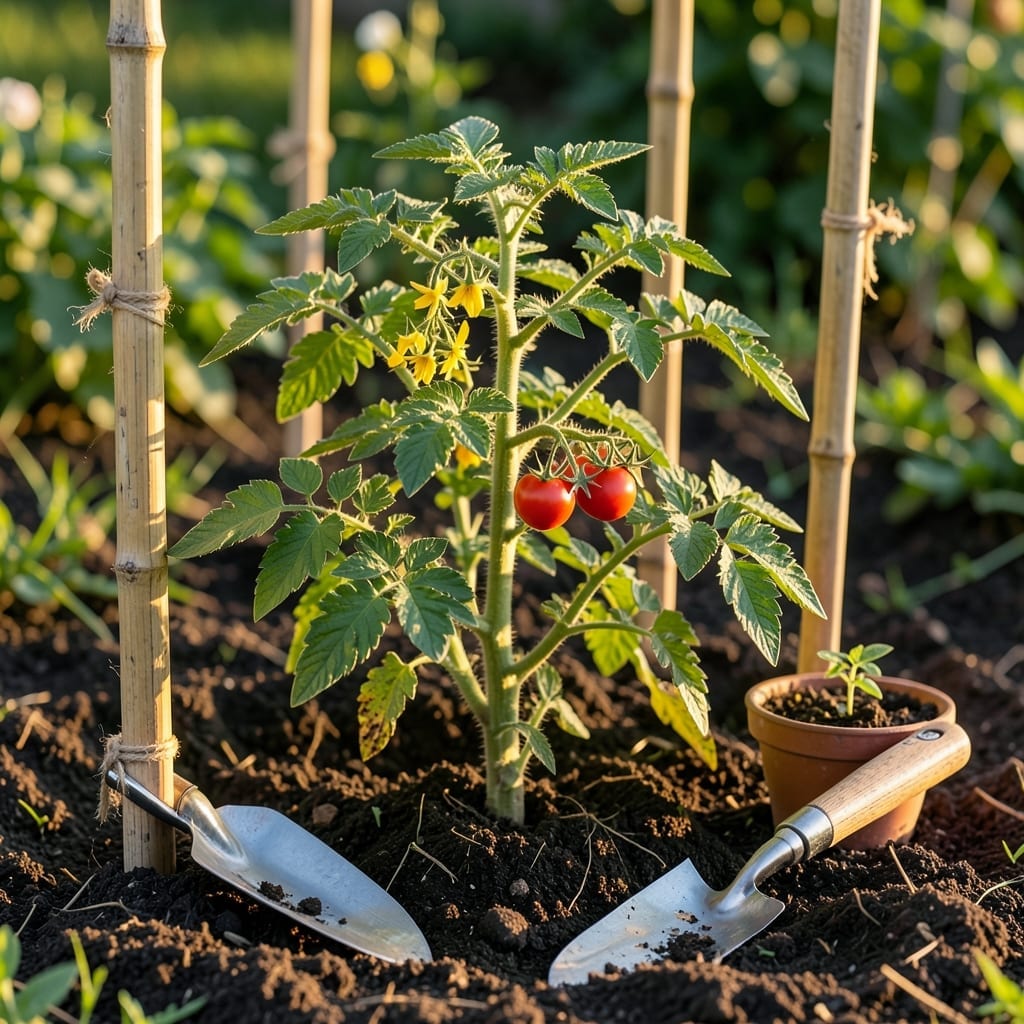
Timing is everything when planting Tomato in Massachusetts, where unpredictable springs and short growing seasons can make or break your harvest.
I’ve learned the hard way that jumping the gun on planting can lead to stunted growth or worse. The key is knowing when your soil is truly ready and when the last frost has passed.
For zones 5b-7a, that window typically falls between mid-May and early June. But there’s more to it than just dates—soil temperature and weather patterns play a big role too.
Discover how to nail the timing for healthy, thriving Tomato plants that will reward you with a bountiful harvest all season long.
In Massachusetts, the last frost date varies significantly by region, making timing crucial for tomato planting. Coastal areas often experience their last frost around April 15, while inland and western regions may see frost as late as May 15. This variation means gardeners must tailor their approach based on local conditions. 🌱
For healthy tomato plants, soil temperature is just as important as air temperature. Tomatoes need soil temps of 60°F or higher to thrive, so planting too early can stunt growth or even kill young seedlings. I always recommend using a soil thermometer to check conditions before transplanting. ☀️
| Region | Last Frost Date | Safe Planting Window | Soil Temp Requirement |
|---|---|---|---|
| Coastal MA | April 15 | Late April – Early May | 60°F+ |
| Inland MA | May 1 | Mid-May | 60°F+ |
| Western MA | May 15 | Late May – Early June | 60°F+ |
Microclimates also play a big role in Massachusetts gardening. Urban areas like Boston tend to be slightly warmer due to the heat island effect, allowing for earlier planting. Meanwhile, rural spots in the Berkshires or Worcester County may require waiting an extra week or two. 🌿
I’ve found that starting seeds indoors about 6-8 weeks before transplanting gives tomato plants a head start. This is especially helpful in cooler regions where the growing season is shorter. Just be sure to harden off seedlings before moving them outside to avoid shock.
Row covers and black plastic mulch are game-changers for extending the season. These tools help warm the soil and protect young plants from unexpected late frosts. I use them every year to get a jump on the growing season.
Another key factor is tomato variety selection. Early-maturing types like ‘Early Girl’ or ‘Stupice’ are ideal for Massachusetts’ shorter season. These varieties can produce fruit in as little as 55-60 days, giving you a better chance of a full harvest before fall frosts arrive.
If you’re eager to plant but worried about cold snaps, consider using wall-o-water or cloches for individual plant protection. These methods create mini greenhouses around each plant, shielding them from chilly nights while still allowing sunlight and air circulation.
Remember, patience pays off with tomatoes. Rushing to plant in cold soil often leads to stunted growth or disease. I’ve learned the hard way that waiting for consistent 60°F soil temps results in stronger, more productive plants in the long run. 🪴
Finally, keep an eye on the 10-day forecast before transplanting. Even if the calendar says it’s time, a surprise late frost can wipe out your young plants. When in doubt, err on the side of caution and wait for stable warm weather.
I always start by warming the soil with black plastic mulch to give my tomatoes a head start. This simple trick can raise soil temperature by 5-10°F, crucial for those chilly Massachusetts springs.
Row covers are another game-changer, protecting young plants from unexpected late frosts while still allowing light and water through. I’ve saved countless seedlings this way.
Hardening off is critical—I learned this after losing an entire tray of seedlings to transplant shock. Begin by placing them outdoors for just 1-2 hours in shade, gradually increasing exposure.
For late planting, choose fast-maturing varieties like ‘Early Girl’ or ‘Stupice’. These can produce fruit in as little as 55 days, giving you a harvest even if you plant in early July.
Avoid the common mistake of planting in cold soil below 60°F. I use a soil thermometer to check—it’s more reliable than guessing based on air temperature.
Finally, consider container gardening if your soil warms slowly. Pots on a sunny patio can give you more control over growing conditions. ☀️