
Beautiful Plants For Your Interior
Beautiful Plants For Your Interior
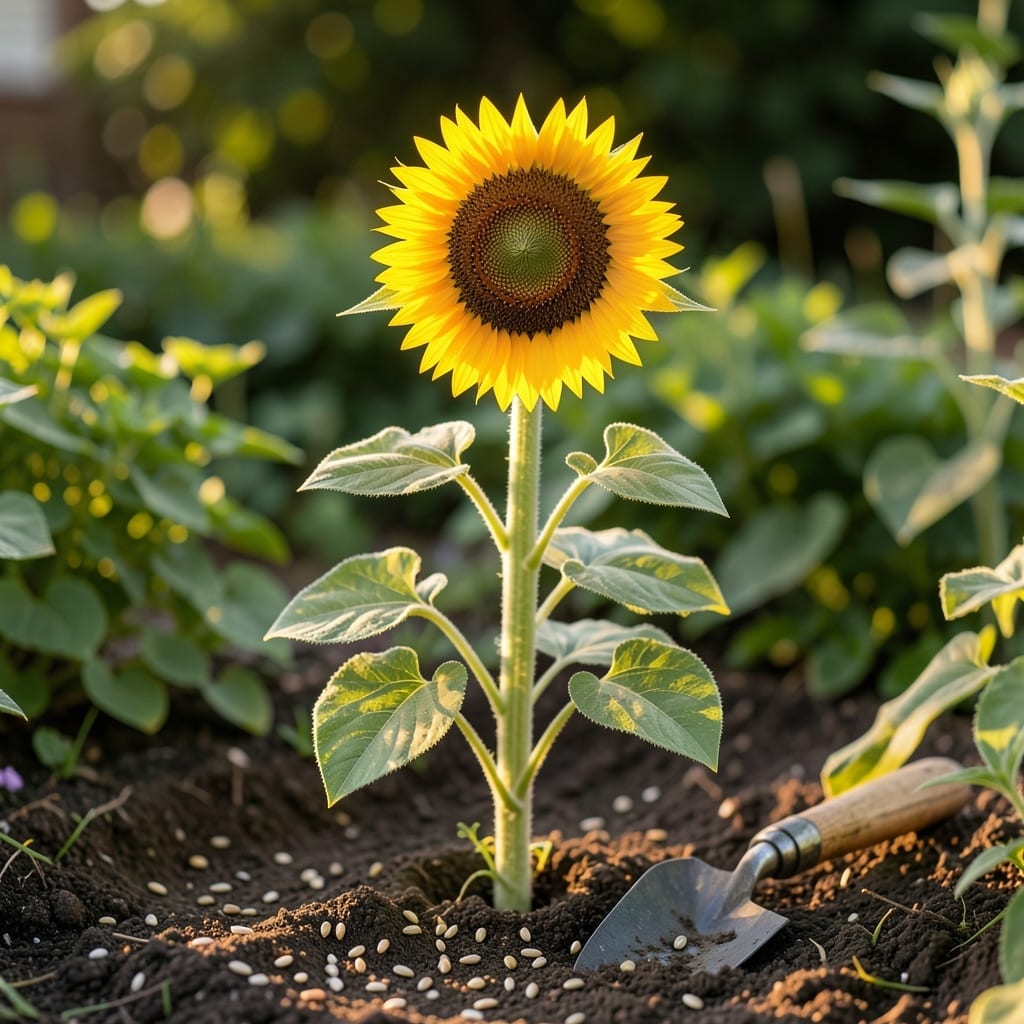
Florida’s warm climate gives gardeners a special edge with Sunflower 🌻 cultivation, but timing is the key to success. Plant too early or late, and you risk poor germination or heat stress.
In zones 8a-10b, the planting window is wider than you might think. The secret lies in aligning your efforts with the state’s unique seasonal patterns.
I’ll break down the optimal months and share practical tips to help you grow vibrant blooms. Whether you’re a beginner or seasoned gardener, this guide will set you up for success.
Discover how to make the most of Florida’s growing conditions and enjoy stunning Sunflowers all season long.
Florida’s unique USDA zones 8-10 allow for two sunflower planting windows each year. The spring planting season typically starts in late February through early April, avoiding late frosts in northern areas.
For a fall harvest, plant seeds from August to early October. This timing helps sunflowers mature before the first frost, which in Zone 8 can occur as early as mid-December.
| USDA Zone | Spring Planting | Fall Planting | Notes |
|---|---|---|---|
| Zone 8 | March – April | August – September | Watch for late frosts |
| Zone 9 | February – March | September – October | Ideal for long growing season |
| Zone 10 | January – February | October – November | Heat-tolerant varieties best |
In Zone 8, which includes Panhandle regions, the last frost date is typically around March 15. Planting after this date ensures soil temperatures are warm enough for germination.
For Zone 9, covering Central Florida, the frost-free date is earlier, often around February 15. This allows for an earlier start to the growing season.
Zone 10, including South Florida, has a year-round warm climate. Here, you can plant sunflowers as early as January, but avoid the hottest summer months.
Soil temperature is critical for sunflower seeds. They need at least 55-60°F to germinate properly. In cooler areas, using black plastic mulch can help warm the soil faster.
For succession planting, sow new seeds every 2-3 weeks during the planting window. This extends your blooming season and ensures continuous flowers for cutting or seed harvest.
Remember that sunflowers are heat-sensitive. In Florida’s intense summer, afternoon shade can prevent heat stress, especially for young plants.
Finally, choose heat-tolerant varieties like ‘Moulin Rouge’ or ‘Sunspot’ for Florida’s climate. These handle the humidity and heat better than traditional varieties.
🌻Florida’s intense summer heat can shorten your sunflower season, but with smart strategies, you can enjoy blooms longer. I’ve found that succession planting every 2-3 weeks keeps fresh flowers coming.
Start by choosing heat-tolerant varieties like ‘Moulin Rouge’ or ‘Autumn Beauty’ that thrive in high temperatures. These handle Florida’s 90°F+ days better than standard types.
For fall sunflowers, begin sowing seeds in late August to avoid the worst summer heat. This timing lets plants establish before cooler weather arrives.
Soil preparation is critical—work in organic compost before planting to improve water retention. Florida’s sandy soil drains quickly, so this step helps sustain growth.
If you notice yellowing leaves or stunted growth, it may signal heat stress or overwatering. Adjust your care routine and provide afternoon shade if needed.
With these proactive steps, you can enjoy sunflowers from early spring through late fall in Florida. It’s all about working with the climate, not against it. 🌻