
Beautiful Plants For Your Interior
Beautiful Plants For Your Interior
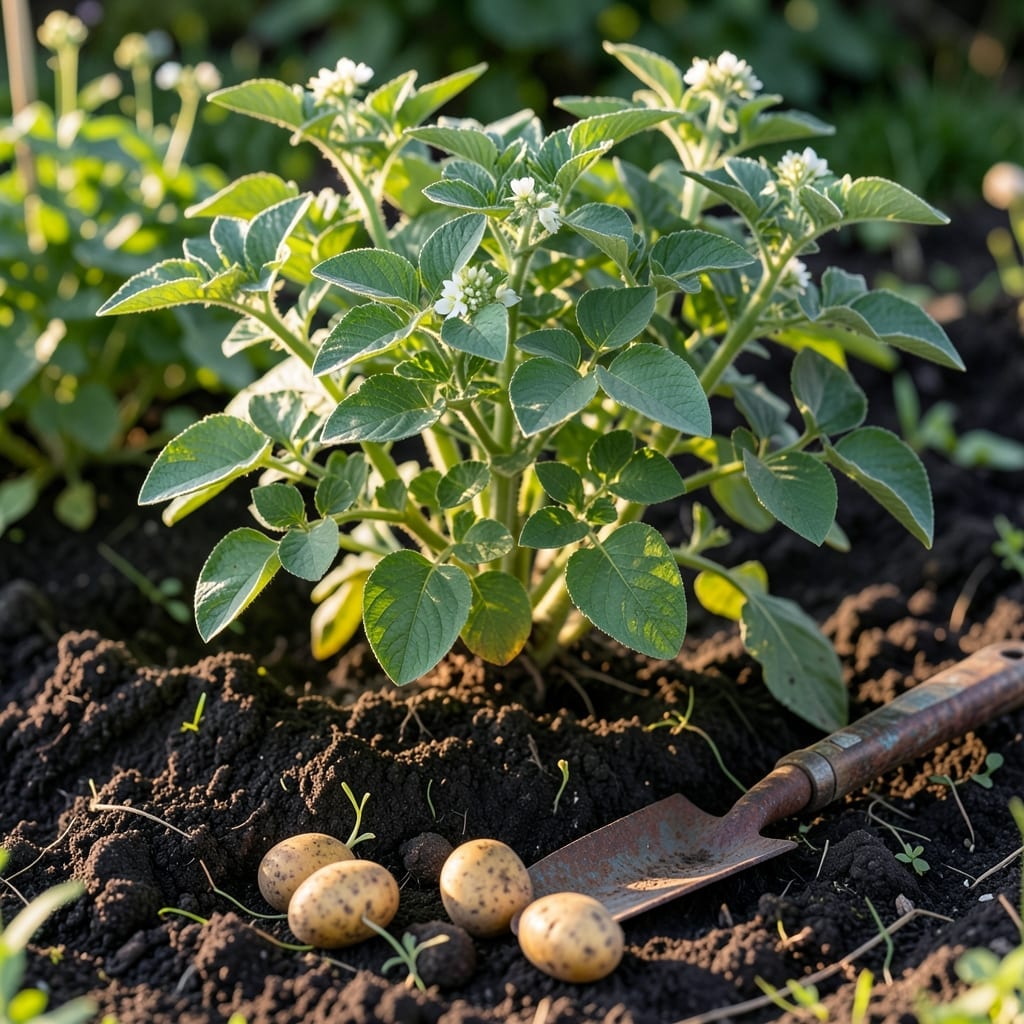
Timing is everything when planting 🥔 Potato in Colorado—plant too early and frost may kill your crop, too late and you’ll miss the harvest window.
Colorado’s unique climate demands precise planning to ensure a bountiful yield. The short growing season and unpredictable weather make timing the key to success.
I’ll walk you through the best windows for planting in zones 5b-7a, so you can avoid common pitfalls. Whether you’re a beginner or seasoned gardener, this guide will set you up for success.
Discover how to align your planting schedule with Colorado’s seasons and get ready to enjoy homegrown spuds all year round.
Colorado’s diverse climate zones mean potato planting times vary significantly. Along the Front Range, I aim for mid-April after the last frost, while the High Plains often allow late March planting due to milder conditions.
The Mountain regions require waiting until late May or even early June because of lingering frost risks. Meanwhile, the Western Slope benefits from a longer season, letting me plant as early as March in some areas. Soil temperature is key—45-50°F is ideal for seed potatoes. Test your soil with a thermometer to be sure. 🌱
| Region | Planting Window | Last Frost Date | Soil Temp Requirement |
|---|---|---|---|
| Front Range | Mid-April to early May | May 15 | 45-50°F |
| High Plains | Late March to early April | May 10 | 45-50°F |
| Mountains | Late May to early June | June 1 | 45-50°F |
| Western Slope | March to early April | April 20 | 45-50°F |
I always check the local frost dates for my specific area. In Denver, the last frost is typically May 15, but in Grand Junction, it’s much earlier—April 20. This difference can make or break a potato crop.
For early varieties like Yukon Gold or Red Pontiac, I plant 2-3 weeks before the last frost. These mature in 60-90 days, perfect for Colorado’s shorter season. Late varieties need 120 days, so I reserve them for warmer zones.
Soil preparation is just as important as timing. I loosen the soil to 12 inches deep and mix in compost for better drainage. Potatoes hate waterlogged soil, so I avoid clay-heavy areas unless amended.
In higher elevations, I use black plastic mulch to warm the soil faster. This trick can buy me an extra 2-3 weeks of growing time. Row covers also help protect young plants from unexpected late frosts. ☀️
I’ve learned that fall planting is possible in some regions, like the Western Slope. Planting in August allows for a winter harvest, but I ensure the tubers are well-insulated with straw mulch before the first frost.
For best results, I recommend certified seed potatoes from a local nursery. They’re disease-free and adapted to Colorado’s conditions. Avoid grocery store potatoes—they often carry viral diseases that can ruin your crop.
Finally, I monitor weather forecasts closely. If a late frost is predicted after planting, I cover my potato beds with frost cloth or old blankets. It’s a simple step that can save an entire harvest. 🌿
Colorado gardeners have two prime windows for planting potatoes: spring and fall. Each season offers unique advantages depending on your goals and local conditions.
Spring planting from April to May gives you a summer harvest, while fall planting in August to September yields potatoes for winter storage. The choice depends on your climate zone and variety.
For spring planting, I recommend early-maturing varieties like Yukon Gold or Red Pontiac. These handle Colorado’s cool springs well and mature in 70-90 days.
Fall planting works best with fast-maturing types such as Fingerling or New Potatoes. These can produce a crop in 60-70 days before the first frost.
Remember that soil temperature is critical for both seasons. Aim for 45-50°F at planting depth. Use a soil thermometer to check conditions.
In my experience, spring planting gives more reliable results for most Colorado gardeners. But if you’re in a warmer zone like 7a, fall planting can be a great way to extend your harvest.
Both methods require well-draining soil and consistent moisture for best results. 🌱