
Beautiful Plants For Your Interior
Beautiful Plants For Your Interior
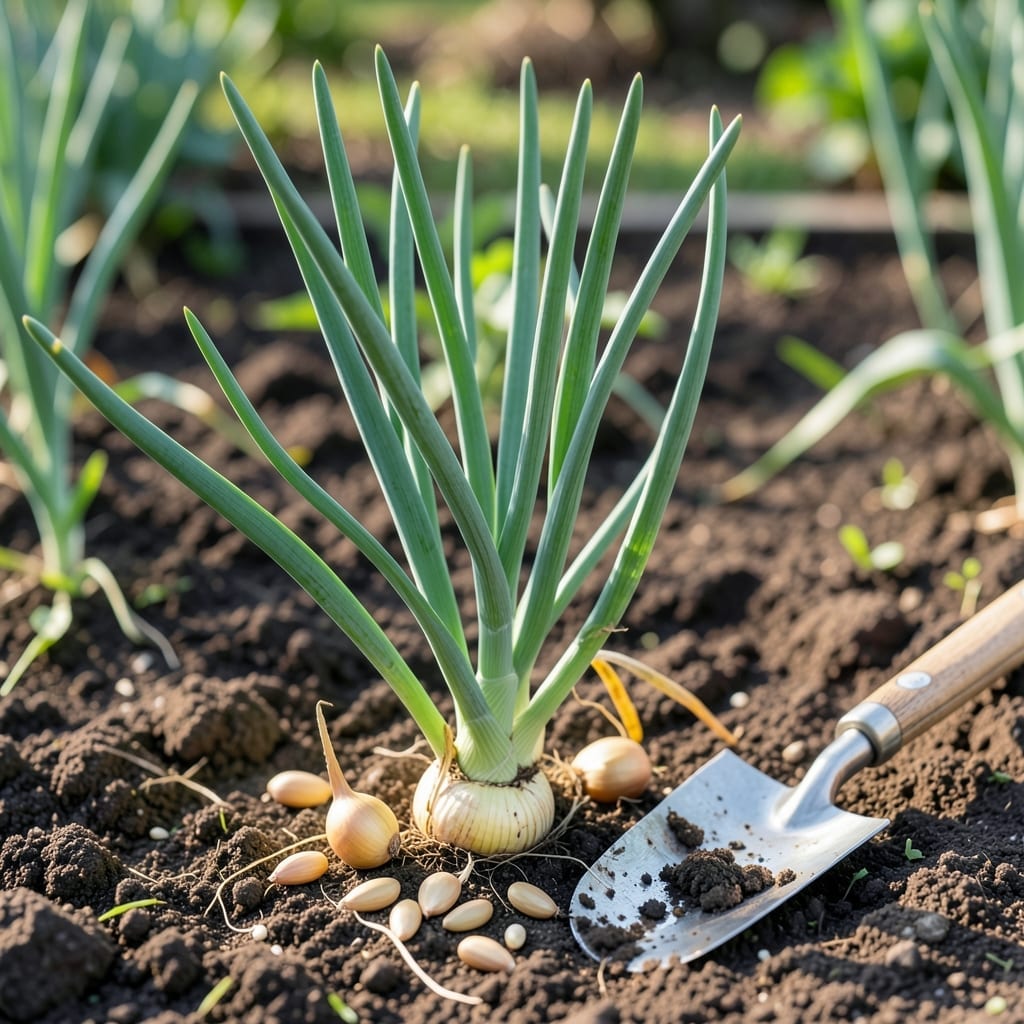
Timing is everything when planting 🧅 Onion in Ohio—plant too early and frost may ruin your crop, too late and bulbs won’t mature.
Ohio’s diverse climate zones mean the ideal planting window varies significantly across the state. In Zone 6, timing your planting right can make all the difference.
I’ve learned that getting this right means understanding your local conditions. Whether you’re in the northern or southern part of the state, the clock is ticking.
Discover the exact window that works best for your area and why it matters so much for your harvest success.
Ohio spans USDA zones 5-6, which means planting times shift from north to south. In zone 5 (northern Ohio), I wait until late April to plant onion sets to avoid frost damage. Zone 6 gardeners can start 2-3 weeks earlier with protection. ☀️
The key is timing around Ohio’s last frost date, which ranges from April 15 in the south to May 10 up north. I always plant 4-6 weeks before this date for spring onions. This gives them time to establish before warm weather hits. 🌱
| Zone | Last Frost | Plant Onion Sets | Plant Seeds |
|---|---|---|---|
| 5 (North) | May 10 | March 25-April 10 | April 1-15 |
| 6 (Central) | April 25 | March 15-30 | March 20-April 5 |
| 6 (South) | April 15 | March 1-15 | March 10-25 |
For fall planting, I aim for late July to early August in zone 6. This gives onions 8-10 weeks to establish before the first frost. In zone 5, I’d plant 1-2 weeks earlier to account for the shorter season. 🌿
Onion sets are the easiest for beginners. I plant them 1 inch deep and 4-6 inches apart. For seeds, I start them indoors 8-10 weeks before transplanting. This head start is crucial in Ohio’s unpredictable springs.
Long-day onions perform best in Ohio. Varieties like ‘Sweet Sandwich’ or ‘Yellow Sweet Spanish’ need 14-16 hours of daylight to bulb properly. I avoid short-day types—they won’t form good bulbs here.
Soil temperature matters too. Onion seeds germinate best at 50-75°F. I use a soil thermometer to check. If the soil is too cold, seeds may rot. Sets are more forgiving but still prefer 50°F+ soil.
In southern Ohio (zone 6), I’ve had success planting sets as early as late February under row covers. This protects them from late frosts while giving a jump on the season. Just remove covers on warm days to prevent overheating. ✂️
For northern Ohio gardeners, I recommend waiting until mid-April even for sets. The risk of a hard frost after planting isn’t worth losing your crop. Patience pays off with bigger, healthier bulbs at harvest.
Remember, these are guidelines. I always check the 10-day forecast before planting. If a cold snap is coming, I’ll delay planting or use frost blankets for protection. Ohio weather keeps us on our toes!
Choosing between spring and fall planting for onions in Ohio depends on your goals. I prefer spring planting for larger bulbs and a summer harvest. It aligns perfectly with Ohio’s growing season. 🌱
Fall planting offers a head start for next year. I’ve found it works well for overwintering onions in zone 6, giving you an early spring harvest. But timing is critical to avoid winter kill.
For long-day onions, I always choose spring planting. They need 14-16 hours of daylight to form bulbs, which Ohio provides in summer. Fall-planted onions often struggle to bulb properly. ☀️
In southern Ohio, fall planting can work if I use mulch for protection. I plant 6-8 weeks before the first frost, usually late August. This gives roots time to establish before winter. 🌿
For beginners, I recommend starting with spring planting. It’s more forgiving and offers a higher success rate. Once you’re comfortable, experiment with fall planting for an early crop.
Remember, soil preparation is key for both methods. I always amend with compost before planting. Well-draining soil prevents rot, especially important for fall-planted onions facing winter moisture. ✂️