
Beautiful Plants For Your Interior
Beautiful Plants For Your Interior
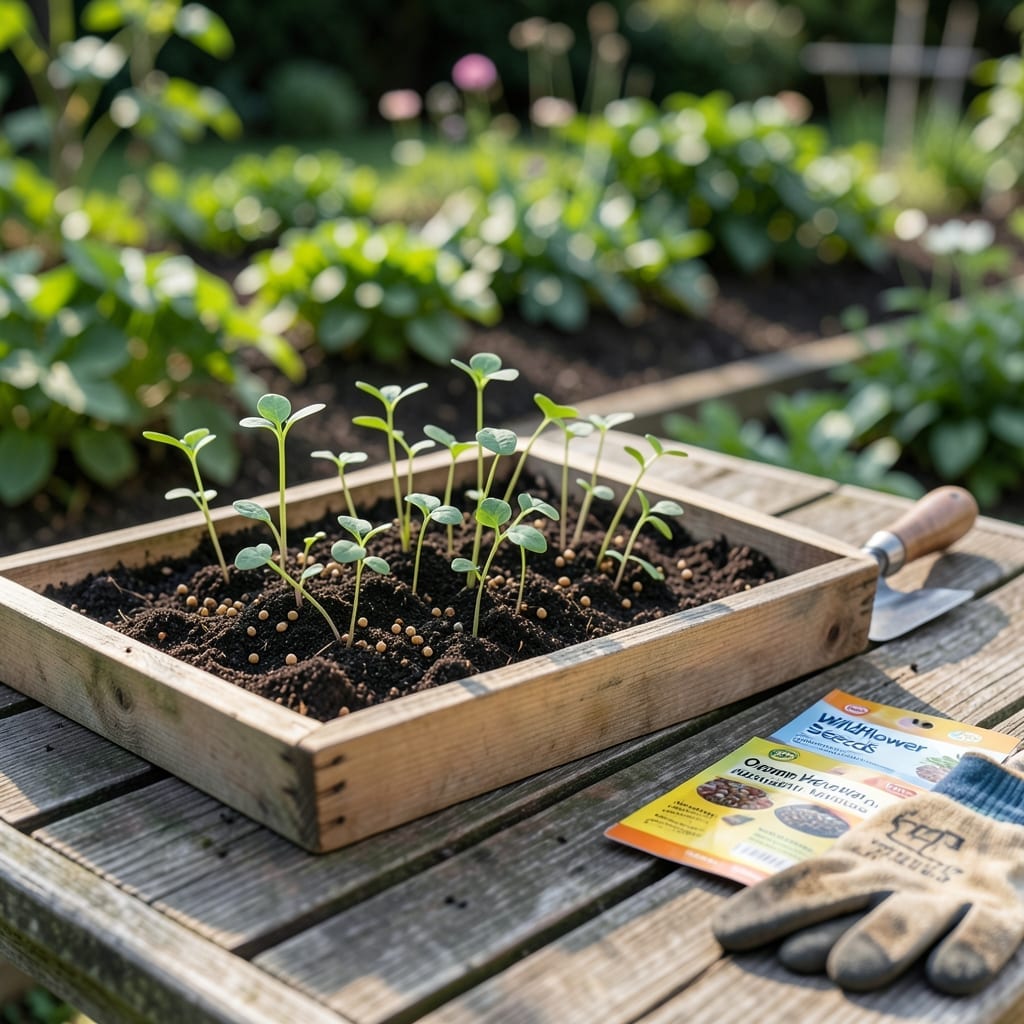
Timing is everything when planting 🌸 Wildflower seeds in Ohio—plant too early or too late, and your vibrant meadow might never bloom. The state’s 6a-6b climate creates specific windows of opportunity.
I’ve seen gardens thrive when seeds go into the soil during spring’s first warm days or just before fall’s first frost. These moments make all the difference for successful germination.
Whether you’re dreaming of a backyard full of color or supporting local pollinators, knowing the right schedule is the key. Ohio’s weather patterns demand careful planning.
Let me walk you through the exact timing that will transform your space into a wildflower haven. The results will speak for themselves.
Ohio’s USDA Zones 5-6 create distinct planting windows for wildflower seeds. I’ve found that early spring and fall are the sweet spots, avoiding the harsh summer heat and winter frost.
The last frost date in Ohio typically falls between April 15-May 1, so aim to plant March through May for spring blooms. For fall, August to October works best before the first frost hits.
| Season | Planting Window | Key Considerations |
|---|---|---|
| Spring | March-May | Avoid late frosts; soil temp 50°F+ |
| Fall | August-October | Plant 6-8 weeks before first frost |
| Winter | Not Recommended | Dormant seeding possible in late November |
For northern Ohio, I recommend starting seeds 2-3 weeks later than southern regions due to cooler springs. The soil temperature must be at least 50°F for most wildflower species to germinate.
In southern Ohio, you can push the envelope slightly with early March plantings, as the last frost often comes sooner. However, always check your local frost dates for precision.
Fall planting offers advantages like natural stratification over winter, which boosts germination rates. I’ve seen black-eyed Susans and purple coneflowers thrive when sown in September.
For drought-tolerant varieties like butterfly weed, late April to early May plantings work best. These need full sun and well-draining soil to establish strong roots.
If you’re dormant seeding in winter, broadcast seeds on bare soil in December-January. The freeze-thaw cycle helps with seed-to-soil contact, but germination won’t occur until spring.
Remember that annual wildflowers like cosmos and zinnias should be planted in spring, while perennials can go in either spring or fall for multi-year blooms.
I always advise checking the 10-day forecast before planting. A sudden cold snap or heatwave can set back your wildflowers, especially in Ohio’s unpredictable spring weather.
With the right timing, you’ll enjoy vibrant blooms from June through October, supporting pollinators and beautifying your landscape 🌻
Getting wildflower seeds to thrive in Ohio starts with proper soil prep. I always clear weeds first and loosen the topsoil to create a welcoming bed for seeds. This helps them make direct contact with the earth, which is critical for germination. 🌱
For the best results, I mix seeds with sand before broadcasting. This ensures even distribution and prevents clumping. Lightly press seeds into the soil but don’t bury them—they need light to sprout. ☀️
Ohio’s variable weather means I always check the forecast before planting. If heavy rain is expected, I’ll delay sowing to prevent seeds from being washed away. A light misting after planting keeps them in place. 💧
I’ve found that early morning planting works best. The cooler temps and gentle sunlight reduce stress on seeds. If you’re planting in fall, aim for August to September to give seeds time to establish before frost. 🌿
For clay-heavy soils common in Ohio, I add compost to improve drainage. Wildflowers hate soggy roots, so amending the soil prevents waterlogging. This small step makes a big difference in germination rates.
Finally, patience is key. Wildflowers can take 14-30 days to sprout, depending on the species. I mark my planting areas with biodegradable flags to avoid disturbing them while waiting for growth. 🌼