
Beautiful Plants For Your Interior
Beautiful Plants For Your Interior
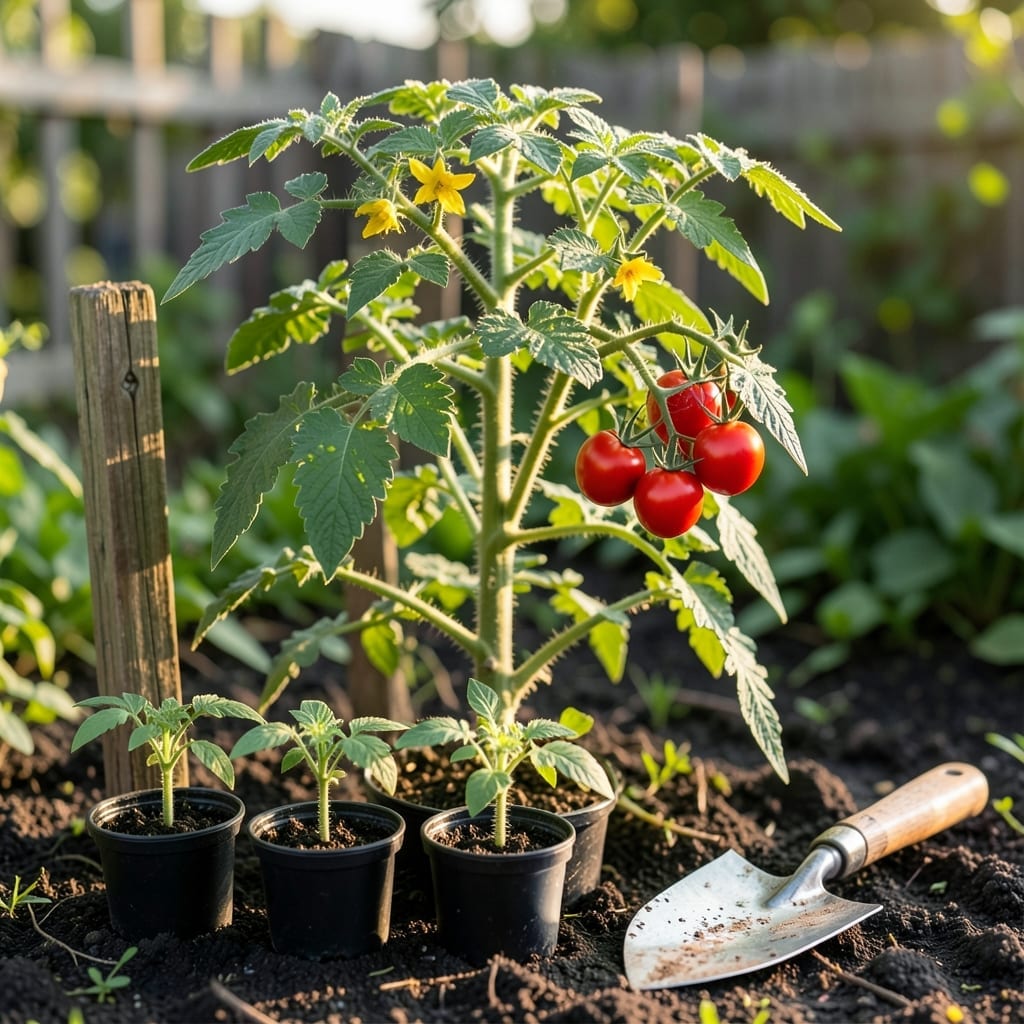
Timing is everything when planting Tomato in Ohio, where unpredictable weather can make or break your harvest. I’ve seen too many gardeners rush the process, only to watch their plants suffer from a late frost.
In Zone 6a, the sweet spot is typically between April and May, but there’s more to it than just dates. You need to consider soil temperature and overnight lows too.
The good news? With the right approach, you can enjoy a bountiful Tomato harvest from July through October. It’s all about working with Ohio’s climate, not against it.
Discover how to pinpoint your perfect planting window and set your garden up for success this season.
In Ohio, the last frost date varies significantly by region, making it crucial to know your local timeline. The state spans USDA zones 5a to 6b, with northern areas experiencing frost later than southern regions.
For example, Cleveland in zone 6a typically sees its last frost around April 25, while Cincinnati in zone 6b can plant as early as April 15. Rural areas may have slight variations due to microclimates.
| Region | USDA Zone | Last Frost Date |
|---|---|---|
| Northern Ohio | 5a-6a | April 25 – May 5 |
| Central Ohio | 6a | April 15-25 |
| Southern Ohio | 6b | April 10-20 |
| Southwest Ohio | 6b | April 5-15 |
I always recommend waiting until soil temperatures reach at least 60°F before transplanting tomatoes. A soil thermometer is an inexpensive tool that can save your plants from stunted growth.
Microclimates can shift these dates by 1-2 weeks. Urban areas with heat islands may allow earlier planting, while low-lying spots often frost later. Observe local patterns for the best results.
For early varieties like Stupice or Glacier, you might start seeds indoors 6-8 weeks before the last frost. This gives them a head start for Ohio’s shorter growing season.
Remember that tomatoes are frost-sensitive. Even a light frost can damage leaves and stems. If you’re eager to plant early, be prepared to cover seedlings with frost blankets or cloches.
In my experience, mid-May is the safest bet for most of Ohio. This timing accounts for late frosts and ensures the soil has warmed sufficiently for strong root development.
Check with your local extension office for hyper-local data. They often provide updated frost predictions based on recent weather trends and historical data.
By aligning your planting with these regional frost dates and soil conditions, you’ll give your tomato plants the best chance to thrive and produce a bountiful harvest all season long 🌱
Ohio’s spring weather can be unpredictable, with late frosts threatening young tomato plants. Even after the average last frost date, a sudden cold snap can stunt growth or kill tender seedlings overnight.
I’ve learned the hard way that proactive protection is key. Row covers, cloches, and even DIY solutions like plastic jugs can shield plants from sub-freezing temperatures.
For urban gardeners, containers can be moved indoors or to a sheltered porch during cold nights. Rural gardeners might use old blankets or tarps draped over stakes for larger plots.
Always remove covers by mid-morning to prevent overheating and allow sunlight exposure. This balance keeps plants safe without stifling their growth.
In my experience, early-maturing varieties like ‘Early Girl’ or ‘Stupice’ handle Ohio’s cool springs better than late-season types. They’re more frost-tolerant and produce fruit faster.
Finally, monitor local weather forecasts closely. If temperatures dip below 40°F, it’s time to take action—your tomato plants will thank you with a bountiful harvest 🌱