
Beautiful Plants For Your Interior
Beautiful Plants For Your Interior
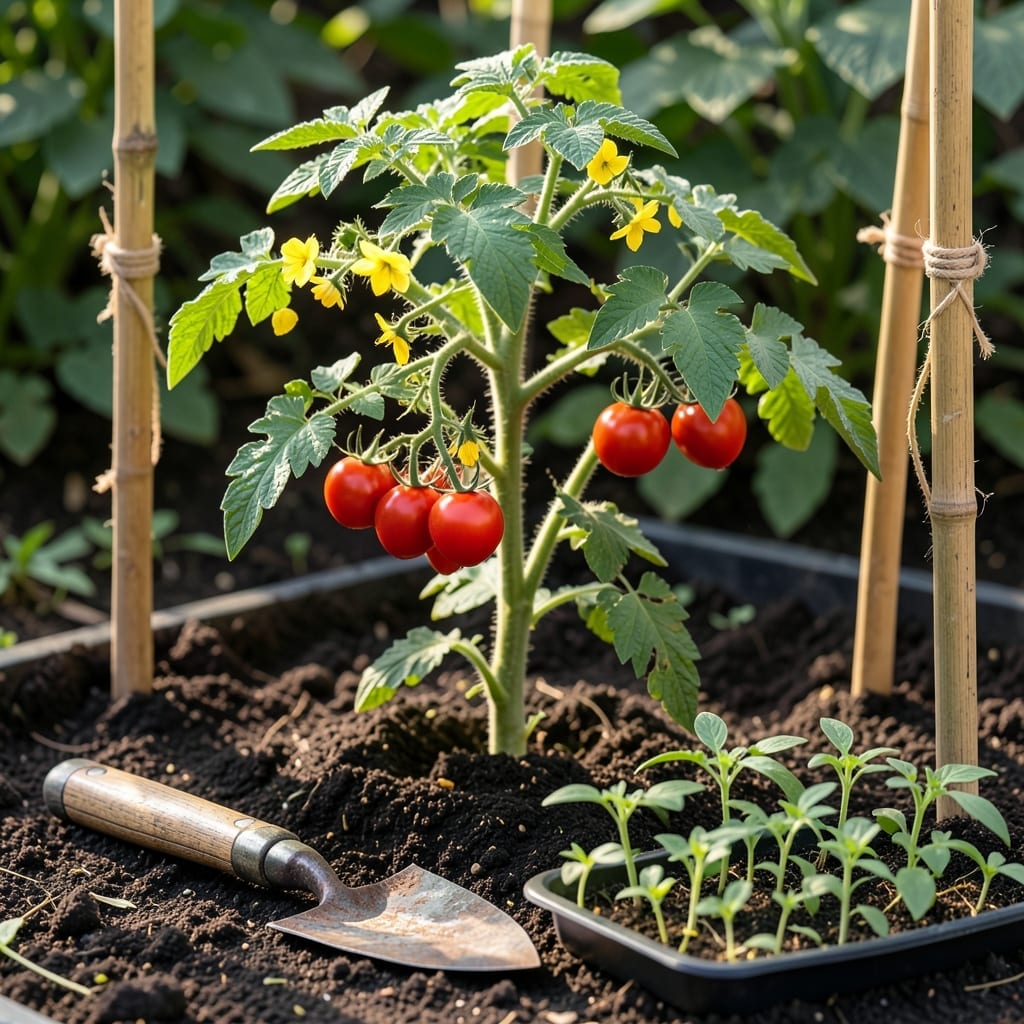
Florida’s unique climate gives gardeners a rare advantage with the 🍅 Tomato. Unlike most regions, you can enjoy two separate planting seasons here, but timing is critical to avoid heat stress or frost damage.
Whether you’re in North, Central, or South Florida, knowing your zone’s optimal windows makes all the difference. The wrong timing can mean wilted plants or no harvest at all.
I’ve tested the best approaches for Florida’s zones 8a-10b, and the results speak for themselves. From frost dates to heat-tolerant varieties, there’s a science to getting it right.
Discover how to align your planting schedule with Florida’s seasons for a thriving crop. Let’s break down the specifics so you can plant with confidence.
Florida’s diverse climate means tomato planting dates vary significantly by region. In North Florida, I wait until late February to early March after the last frost passes, usually around February 15. This gives my plants a head start before summer heat kicks in.
For Central Florida gardeners, the window opens a bit earlier—mid-February to early April. The milder winters here allow for a slightly longer spring planting season without frost risks. ☀️
| Region | Spring Planting | Fall Planting | Last Frost |
|---|---|---|---|
| North Florida | Late Feb – Early March | Late Aug – Early Sept | Feb 15 |
| Central Florida | Mid Feb – Early April | Mid Aug – Early Sept | Jan 15 – Feb 1 |
| South Florida | Jan – Feb | Late July – Aug | None |
Down in South Florida, where frost is rare, I can plant tomatoes as early as January for a spring crop. The fall planting window here starts in late July through August to avoid the worst summer heat. 🌱
For the fall season, timing is just as critical. In North Florida, I aim for late August to early September to harvest before the first frost, typically around November 15. This gives my plants about 75-90 days to mature.
Central Florida fall plantings can start a bit earlier—mid-August—since the first frost doesn’t usually hit until late November. This extended window allows for a second harvest before winter sets in.
In South Florida, the fall window is more flexible. I can plant from late July through August and still get a full growing season, as frost is rarely a concern. The key is avoiding the peak summer heat of June and July. 🌿
I always recommend using heat-tolerant varieties like ‘Heatmaster’ or ‘Solar Fire’ for summer plantings. These are bred to handle Florida’s intense humidity and high temperatures, which can stress standard tomato plants.
For heirloom varieties, I stick to the cooler months. They’re more sensitive to heat and often produce better when planted in February or March for spring, or August for fall.
Remember, soil temperature matters too. Tomatoes need soil temps above 60°F to germinate. In cooler regions, I use black plastic mulch to warm the soil faster in early spring. ✂️
By tailoring my planting schedule to Florida’s microclimates, I maximize my tomato yield and minimize risks from frost or heat stress. Always check your local frost dates for the most precise timing.
Florida’s intense summer heat can stunt tomato growth and reduce yields, but with the right strategies, I’ve found you can extend your harvest well into the warmer months. The key is working with the climate, not against it. ☀️
I always recommend starting with heat-tolerant varieties like ‘Solar Fire’ or ‘Heatmaster’, which thrive in high temperatures. These are bred to set fruit even when the mercury climbs above 90°F. 🌱
Shade cloth is a game-changer. I drape mine over tomato cages or a simple PVC frame, ensuring plants get relief during the hottest part of the day. This small step can prevent blossom drop and sunburn on fruits. 💧
Container gardening lets me move plants to shadier spots or even indoors during heatwaves. I use 5-gallon buckets with drainage holes and a quality potting mix for best results. It’s also easier to control soil temperature in pots. 🪴
Succession planting is another trick I swear by. By sowing new seeds every 2-3 weeks, I ensure a continuous harvest rather than one big flush. This works especially well with cherry tomatoes, which mature faster. ✂️
Finally, don’t underestimate mulch. A thick layer of straw or wood chips keeps roots cool and reduces water loss. I reapply it every few weeks to maintain a 2-3 inch layer. This simple step can make all the difference in Florida’s heat. 🌿