
Beautiful Plants For Your Interior
Beautiful Plants For Your Interior
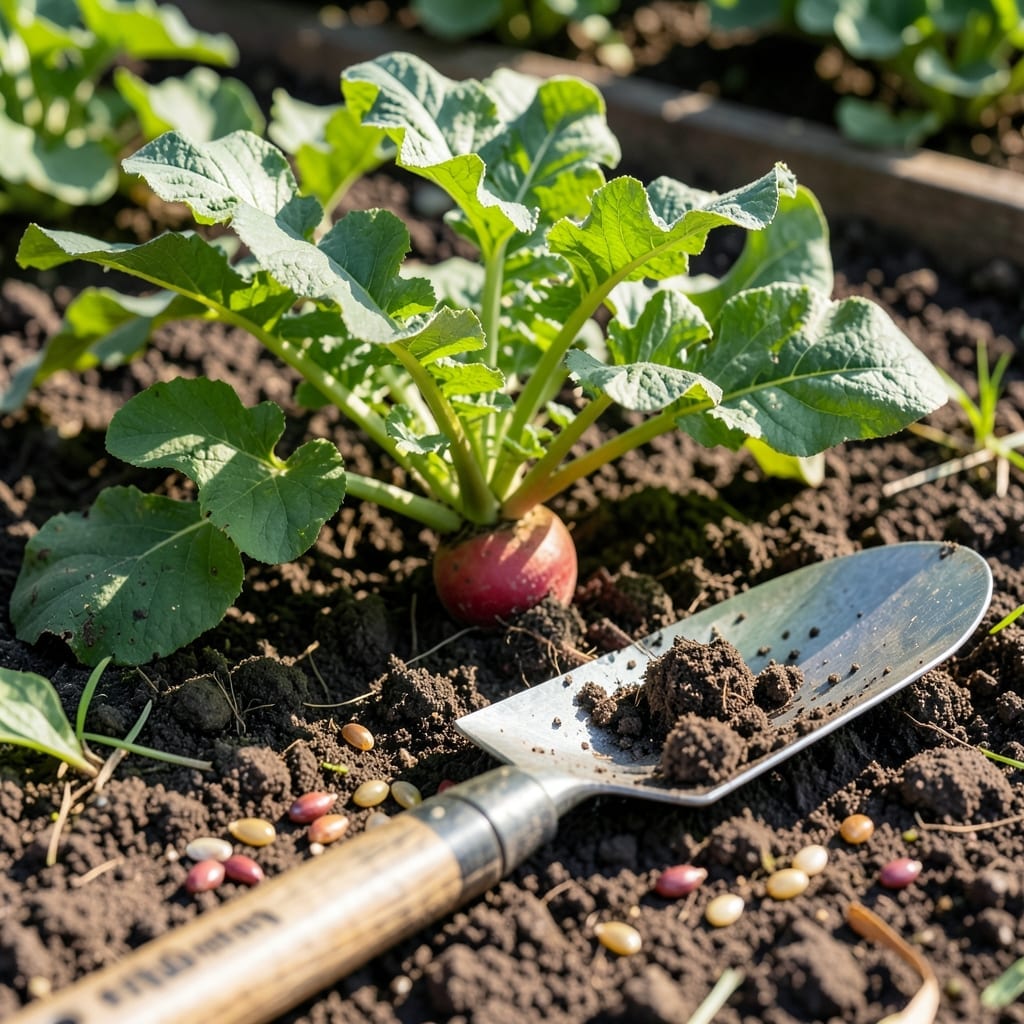
Radishes are one of the fastest-growing vegetables, making them a favorite for zone 5 gardeners eager to harvest fresh produce quickly. I love that you can go from seed to table in under 30 days with this crisp, peppery root.
Knowing the exact planting windows ensures a bountiful crop without the risk of frost damage or bolting. For the 🥕 Radish, timing is everything in our climate.
I’ve found that getting the timing right means you can enjoy multiple harvests. The key is working with our frost dates and soil temperatures.
Discover how to maximize your Radish yield by planting at the optimal times. Let me show you exactly when to get those seeds in the ground.
In USDA zone 5, radishes thrive when planted in early spring or late summer for a fall harvest. These cool-season crops prefer soil temps between 40-70°F, making them perfect for quick growth before heat sets in.
I always aim to sow my first radish seeds 2-4 weeks before the last frost date, which is typically around April 15 in zone 5. This gives them a head start while avoiding late frost damage.
| Season | Planting Window | Soil Temp |
|---|---|---|
| Early Spring | March-April | 40-60°F |
| Late Summer | August-September | 50-70°F |
| Fall | September | 50-65°F |
For fall planting, I start seeds 6-8 weeks before the first frost, around October 15 in zone 5. This ensures radishes mature before cold weather hits, preventing bolting or stunted growth.
The key to spring radishes is planting as soon as the soil is workable, often in late March. I check soil temps with a thermometer to confirm they’re above 40°F for germination.
In late summer, I plant radishes after removing early crops like peas or lettuce. The soil is warm, but the air temps are cooling, creating ideal conditions for fast growth and sweet flavor.
I avoid planting radishes in midsummer because the heat causes pithy, bitter roots. If you must plant then, choose heat-tolerant varieties like Daikon or White Icicle.
Succession planting every 10-14 days extends my harvest. I sow a new batch in early April, then again in late April and early May for continuous radishes before summer heat arrives.
For fall crops, I plant the first batch in mid-August and another in early September. This staggered approach ensures a steady supply until the first hard frost.
Radishes grow so quickly that overcrowding can be an issue. I thin seedlings to 2 inches apart once they sprout to give each plant room to develop properly.
With the right timing and care, I harvest crisp, mild radishes in as little as 25-30 days from planting. It’s one of the most rewarding crops for zone 5 gardeners 🌱
In zone 5, choosing the right radish variety can make or break your harvest. Early varieties like Cherry Belle thrive with early spring planting, while Daikon radishes prefer a late summer start for fall harvests.
Each type has unique days to maturity and flavor profiles. French Breakfast radishes, for example, are perfect for succession planting every 2-3 weeks to extend your crop.
| Variety | Planting Window | Days to Maturity |
|---|---|---|
| Cherry Belle | March-April, August-Sept | 25-30 |
| French Breakfast | April, Sept-Oct | 23-28 |
| Daikon | July-August | 40-60 |
I recommend Cherry Belle for beginner gardeners because it’s cold-hardy and quick to mature. It handles light frosts well, making it ideal for early spring or late fall planting in zone 5.
For spicy flavor lovers, Daikon radishes are a must-try. Plant them in mid-summer for a fall harvest. They need consistent moisture to prevent woody textures.☀️
If you want continuous harvests, try succession planting with French Breakfast. Sow new seeds every 10-14 days from early spring through early fall for a steady supply.
Pro tip: Always check soil temperature before planting. Radishes germinate best in 40-70°F soil. Use a soil thermometer for accuracy.
Remember, overcrowding leads to small, misshapen roots. Thin seedlings to 1-2 inches apart for best results.🌱