
Beautiful Plants For Your Interior
Beautiful Plants For Your Interior
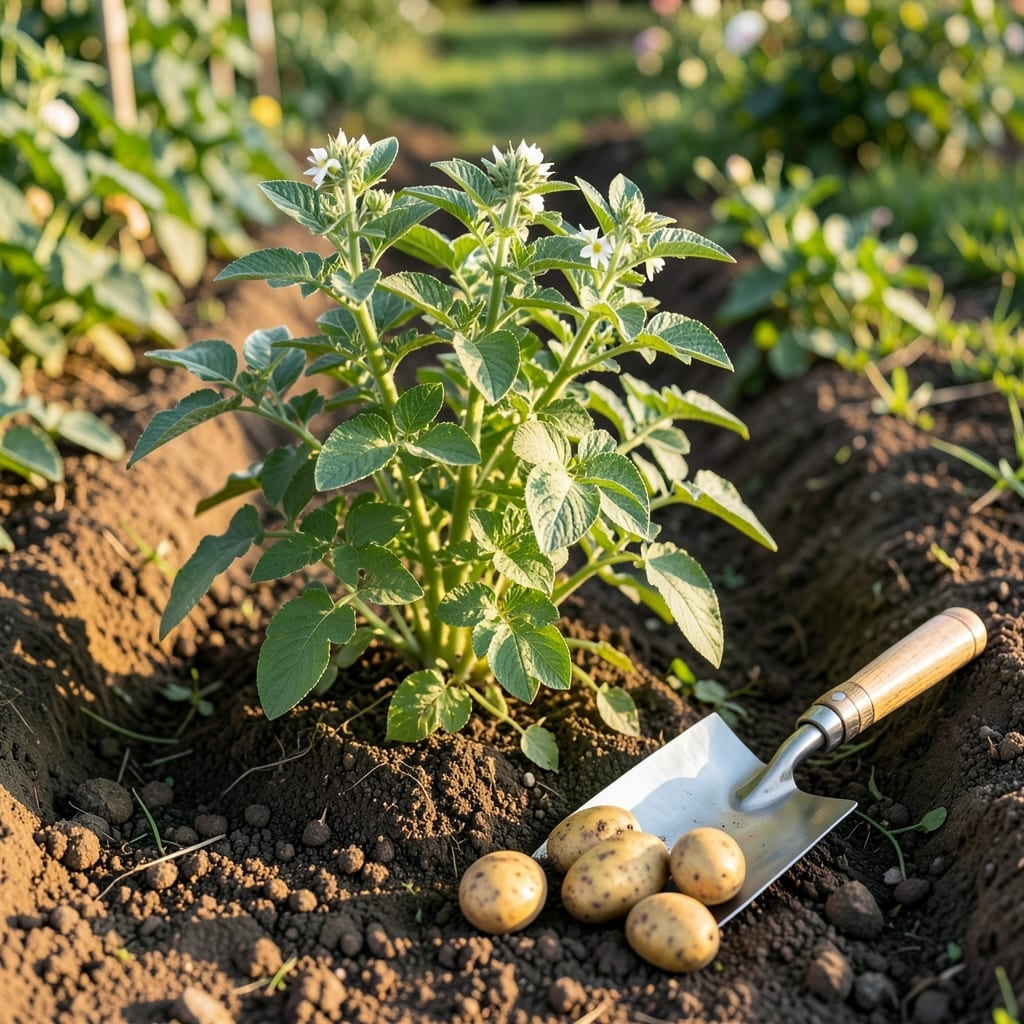
Timing is everything when planting Potato 🥔 in Zone 7b—plant too early and frost may ruin your crop, too late and you’ll miss the optimal growing window.
This guide reveals the precise spring and fall planting dates to maximize your harvest. Whether you’re a beginner or seasoned gardener, knowing these windows is the key to success.
I’ll walk you through climate considerations, soil prep tips, and the best varieties for this region. No more guessing when to get those tubers in the ground.
Discover how to work with Zone 7b‘s unique frost dates and seasonal nuances. Your most productive potato season starts with this knowledge.
In Zone 7B, you’ve got two prime windows for planting potatoes. The first is early March to early April for a spring crop. This timing lets tubers establish before summer heat kicks in.
For a fall harvest, aim for mid-August to early September. This ensures potatoes mature before the first frost, which typically hits around November 15 in Zone 7B.
| Season | Planting Window | Soil Temp | Harvest Time |
|---|---|---|---|
| Spring | Early March – Early April | 45-50°F | June – July |
| Fall | Mid-August – Early September | 45-50°F | November – December |
Soil temperature is critical. Potatoes won’t sprout well if the soil is below 45°F. Use a soil thermometer to check. In Zone 7B, spring soil usually hits this mark by mid-March.
For fall planting, soil temps can still be warm in late August. If the soil is above 80°F, wait a bit. High temps can cause poor tuber formation.
Frost is another key factor. The last frost date in Zone 7B is around April 15. Plant 2-3 weeks before this date to avoid late frosts damaging young shoots.
For fall crops, count backward from the first frost date. Potatoes need about 90-120 days to mature. Planting in mid-August gives them enough time before the first frost.
I’ve found that Yukon Gold and Red Pontiac thrive in Zone 7B’s climate. These varieties are adaptable and produce well in both spring and fall windows.
If you’re eager to start earlier, you can plant in late February. However, be prepared to cover young plants with frost cloth if a late cold snap is forecasted.
Remember, well-draining soil is a must. Potatoes rot easily in soggy conditions. Amend heavy clay soil with compost or sand to improve drainage.
With these windows and tips, you’ll be set for a bountiful potato harvest in Zone 7B. 🌱
Preparing your soil and seed potatoes properly is key to success in Zone 7B. Start by testing your soil’s pH level—potatoes thrive in slightly acidic soil, ideally 5.0 to 6.5.
Loosen the soil to a depth of 12 inches and mix in plenty of organic compost. This improves drainage and provides essential nutrients for robust tuber development.
For seed potatoes, begin with chitting—place them in a bright, cool spot for 2-4 weeks to encourage strong sprouts. This step gives your potatoes a head start once planted.
If your seed potatoes are large, cut them into 2-inch pieces, ensuring each piece has at least one “eye.” Let the cut surfaces heal, or cure, for 24 hours to prevent rot.
In Zone 7B, spring soil prep should start in late February. This gives you time to address any drainage issues before planting in March. For fall planting, prep soil in early August.
I always recommend using certified disease-free seed potatoes. Grocery store potatoes may carry diseases that can ruin your crop. Invest in quality seed stock for the best results. 🌱
Finally, ensure your planting area gets full sun—at least 6-8 hours daily. Potatoes need plenty of light to produce a hearty harvest. With these steps, you’ll set the stage for thriving potato plants.