
Beautiful Plants For Your Interior
Beautiful Plants For Your Interior
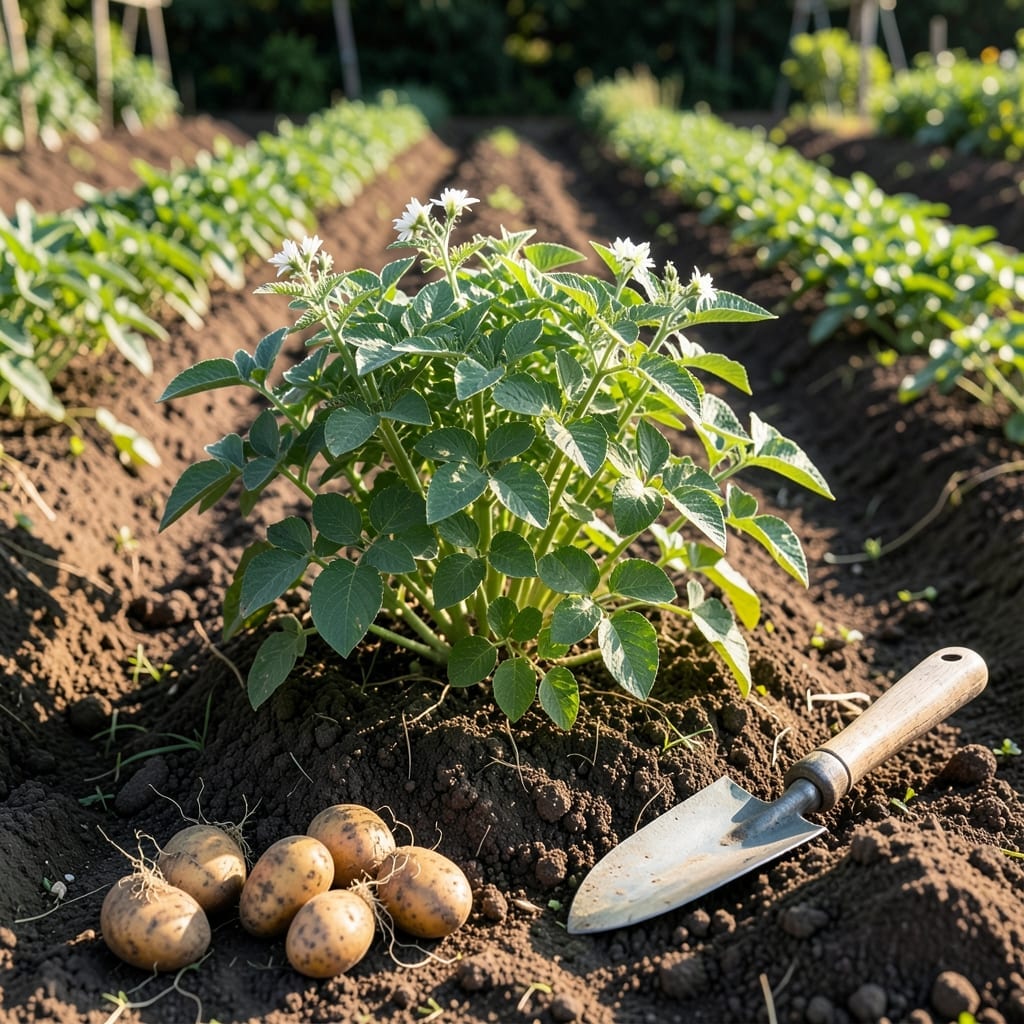
Timing your Potato planting in Zone 6 can make or break your harvest. This region offers two prime windows for growing 🥔, but knowing when to start is the key.
Spring planting typically begins in March or April, when soil temperatures reach that sweet spot. But there’s also a fall option if you plan carefully.
I’ll walk you through both seasonal approaches, including frost dates and variety recommendations. Whether you’re a beginner or seasoned gardener, these insights will help you succeed.
Discover the exact timing strategies that work best for Zone 6 conditions. Let’s get your Potato crop off to the right start.
In USDA Zone 6, the best time to plant spring potatoes is 2-3 weeks before the last frost date. For most of this zone, that means mid-March to early April plantings work perfectly.
The soil temperature must reach at least 45°F for seed potatoes to begin growing. I always check my soil thermometer before planting to avoid cold soil delays.
| Requirement | Specification |
|---|---|
| Last Frost Date | April 15 |
| Soil Temp | 45-55°F |
| Planting Depth | 4-6 inches |
| Early Varieties | Yukon Gold, Red Pontiac |
I recommend early varieties like Yukon Gold or Red Pontiac for spring planting. These mature in 70-90 days, giving you potatoes before summer heat sets in.
Late varieties need 110-135 days to mature. In Zone 6, these work best when planted very early in spring or as a fall crop with careful timing.
For the best results, I pre-sprout my seed potatoes indoors. Place them in a bright, cool location (60-65°F) for 2-3 weeks before planting. This gives them a head start.
Remember that frost tolerance is limited. While potato plants can handle light frosts, a hard freeze will damage emerging foliage. I always keep row covers handy for unexpected cold snaps.
Soil preparation is crucial. Potatoes thrive in loose, well-draining soil with a pH of 5.0-6.5. I work in plenty of compost and avoid fresh manure, which can cause scab.
In my experience, raising beds or planting in hills improves drainage and warms the soil faster. This is especially helpful in Zone 6’s sometimes cool, wet springs.☀️
Watering should be consistent but moderate. Aim for 1-2 inches per week, including rainfall. Too much water can lead to disease, while too little causes small tubers.
With proper timing and care, you’ll be harvesting homegrown potatoes by early summer. I find that mulching with straw helps retain moisture and keeps soil temperatures steady.🌱
In Zone 6, fall planting offers a second harvest window for potatoes. The key is timing it 10-12 weeks before the first frost, which typically arrives around October 15th. This gives tubers enough time to mature.
I recommend starting seed potatoes in late July to early August. This schedule avoids the summer heat while ensuring a harvest before cold weather sets in. Early-maturing varieties like Yukon Gold or Red Norland work best for fall.
Soil preparation is crucial for fall planting. I always mix in compost and ensure the soil is loose and well-draining. Potatoes need consistent moisture but hate soggy conditions, especially in cooler fall weather.
Watch the weather forecast closely. If an early frost threatens, cover plants with row covers or mulch to extend the growing season. This extra protection can buy you a few more days of growth.
For best results, choose disease-resistant varieties and rotate planting locations yearly. This prevents soil-borne diseases from affecting your crop. I’ve found Kennebec and Superior do particularly well in Zone 6 fall plantings.
Remember, fall-harvested potatoes often have a sweeter flavor and store well through winter. Just be sure to cure them properly before storage. Zone 6’s fall conditions can produce some of the best spuds of the year 🌱