
Beautiful Plants For Your Interior
Beautiful Plants For Your Interior
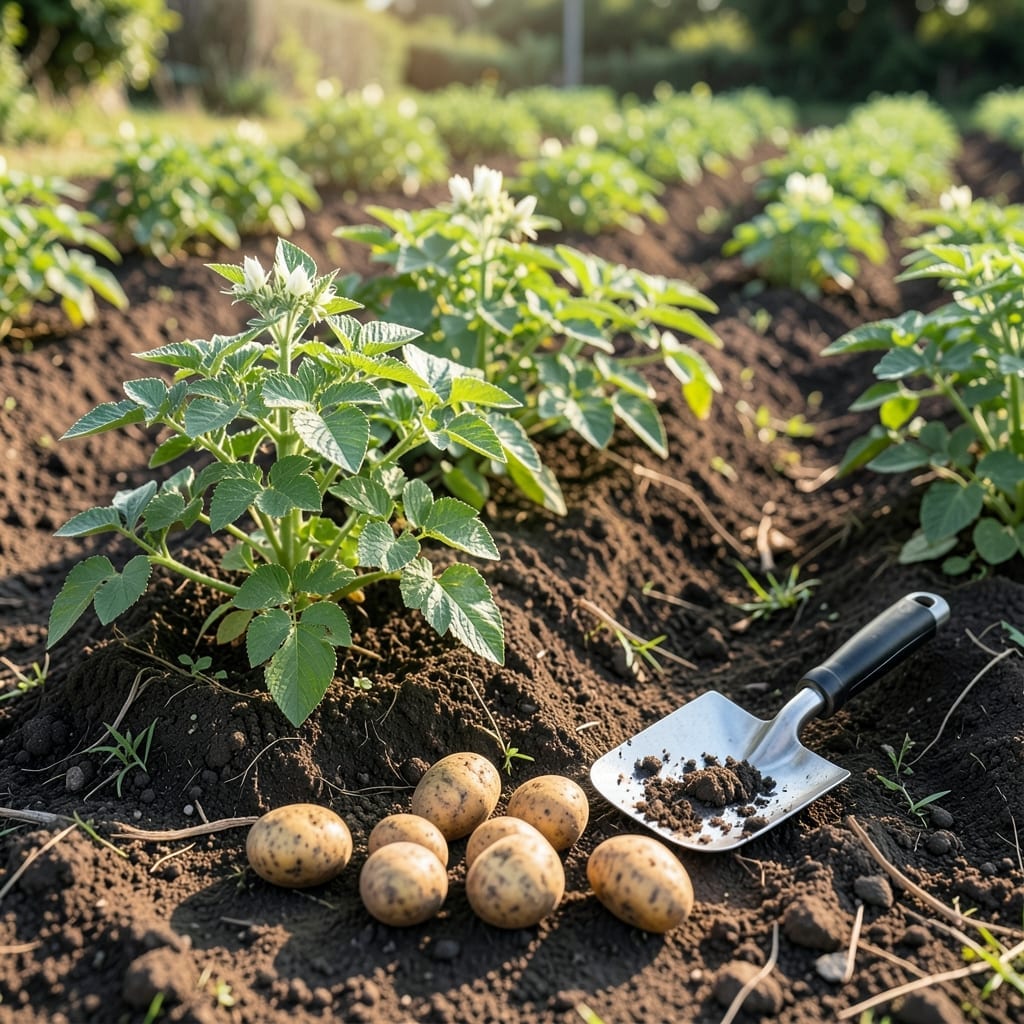
Timing your potato planting in Ohio can mean the difference between a bountiful harvest and a disappointing yield. Ohio’s climate demands precision to avoid frost damage.
I’ve learned the hard way that Zone 6 gardeners need to watch both soil temperature and frost dates carefully. The 🥔 Potato thrives when conditions are just right, and missing that window can set you back weeks.
You’ll want to get your seed potatoes in the ground when the soil hits that 45-50°F sweet spot. This timing helps prevent rot while giving your plants the best start possible.
Discover the exact spring and fall windows that work for Ohio’s unique growing conditions. Let me walk you through how to nail your planting schedule every time.
Ohio spans USDA Zones 5-6, and each has its own ideal potato planting window. In Zone 5, I aim for mid-April after the last frost, while Zone 6 gardeners can start 2-3 weeks earlier in late March.
The magic happens when soil temperature consistently hits 45-50°F. This prevents seed rot and gives tubers their best start. I always use a soil thermometer to confirm conditions before planting.☀️
| USDA Zone | Spring Planting | Fall Planting | Soil Temp |
|---|---|---|---|
| Zone 5 | Mid-April | Mid-July | 45-50°F |
| Zone 6 | Late March | Early July | 45-50°F |
For spring planting, I count backward from Ohio’s last frost date (typically April 15 in Zone 6). Planting 2-3 weeks before this date gives potatoes time to establish before warm weather arrives.
Fall planting requires counting forward from the first frost date (around October 15). I plant 10-12 weeks before this to ensure mature tubers before cold sets in.
In my experience, Yukon Gold does exceptionally well in Ohio’s spring, while Kennebec varieties thrive in fall plantings. The key is matching your variety choice to the season’s conditions.🌱
I’ve found that well-draining soil is non-negotiable. Ohio’s clay-heavy soils often need amendment with compost or sand to prevent waterlogging, which can rot developing potatoes.
Remember that soil preparation is just as important as timing. I work in plenty of organic matter and test soil pH, aiming for 5.0-6.5 for optimal potato growth.
For those in urban areas with warmer microclimates, you might push spring planting 1-2 weeks earlier. Conversely, rural areas with colder pockets may need to wait an extra week.
Finally, I always pre-sprout my seed potatoes indoors for 2-3 weeks before planting. This gives them a head start and can lead to earlier harvests by 2-3 weeks.🌿
Ohio gardeners have two main windows for planting potatoes: spring and fall. Each season offers unique advantages, but the approach differs significantly. I’ll break down what you need to know to choose the best time for your garden.
Spring planting is ideal for most Ohio gardeners, as it aligns with the last frost date in mid-April. This timing allows potatoes to mature during the warm summer months, yielding a robust harvest by early summer.
| Aspect | Spring Planting | Fall Planting |
|---|---|---|
| Best Varieties | Yukon Gold, Red Pontiac | Kennebec, Russet |
| Planting Time | March-April | August-September |
| Harvest Time | June-July | October-November |
Fall planting works well in Ohio’s Zone 6 if you start in late summer. The cooler temperatures reduce pest pressure, but you’ll need to harvest before the first frost hits in mid-October. It’s a great option for gardeners who want a second crop.
For spring planting, I recommend cutting seed potatoes a few days before planting to allow the cuts to heal. This simple step helps prevent rot and gives your spuds a stronger start in Ohio’s variable spring weather.
Fall-planted potatoes require a bit more attention to soil moisture, as late summer can be dry. Mulching heavily after planting helps retain moisture and keeps soil temperatures stable as the days grow cooler.
If you’re new to growing potatoes in Ohio, start with spring planting. It’s more forgiving and aligns with the natural growing season. Once you’ve mastered that, experiment with a fall crop for fresh homegrown potatoes later in the year 🌱