
Beautiful Plants For Your Interior
Beautiful Plants For Your Interior
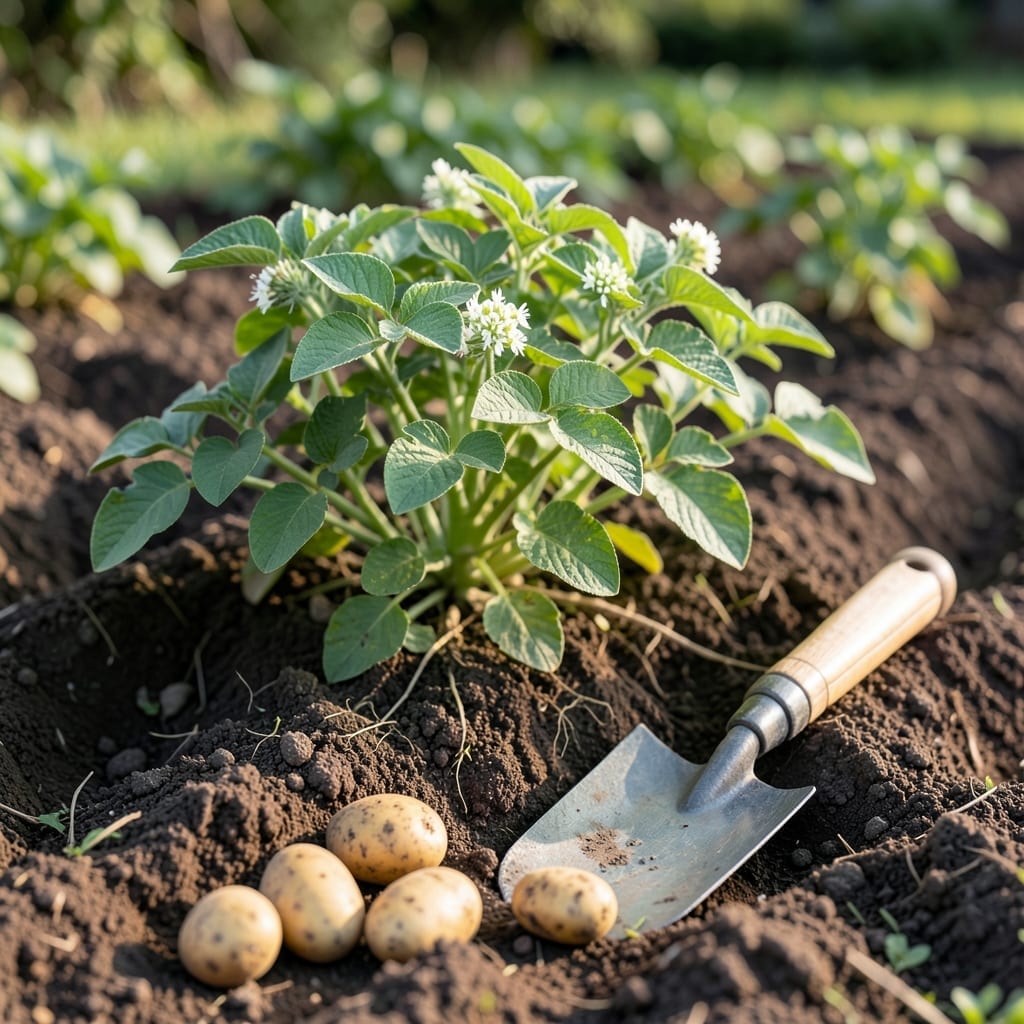
Timing is everything when planting 🥔 Potato in Georgia’s varied climate. Get it right, and you’ll enjoy a bountiful harvest by spring. Get it wrong, and you might end up with stunted growth or rot.
From the mountains to the coastal plains, Georgia’s USDA zones 7b-8a offer a unique window. The key is knowing when your soil is warm enough to support those first tender sprouts.
I’ve tested different planting schedules across the state, and the results might surprise you. Whether you’re a seasoned gardener or just starting, this timing can make all the difference.
Discover the ideal months to plant and how to prepare your soil for success. Let’s dig into what works best for Georgia’s conditions.
Georgia’s diverse climate means planting times vary significantly from the mountains to the coast. The key is watching soil temperature and frost dates, not just the calendar. I’ve found that early spring planting works best across most regions.
In North Georgia, the last frost date is typically around April 15, so aim to plant seed potatoes about 2-3 weeks before this date. This gives them time to establish before warmer weather arrives.
| Region | Planting Window | Soil Temp | Last Frost Date | Harvest Time |
|---|---|---|---|---|
| North Georgia | Mid-March to early April | 45-50°F | April 15 | Late June to July |
| Central Georgia | Late February to mid-March | 50-55°F | April 1 | May to early June |
| South Georgia | Mid-February to early March | 55-60°F | March 15 | Late April to May |
Central Georgia has a slightly earlier window due to its milder winters. Here, I recommend planting seed potatoes in late February to mid-March. The soil warms faster, and the growing season is longer.
For South Georgia, where winters are short and mild, you can start as early as mid-February. The soil temperature often reaches the ideal 55-60°F range by then, which speeds up germination.
If you’re planting early varieties, you can push the planting date a bit earlier in all regions. These mature in 70-90 days and are perfect for avoiding summer heat, which can stress the plants.
Late varieties need more time, so plant them earlier in the window to ensure they mature before hot weather sets in. In North Georgia, this might mean planting in early March instead of late March.
I always check the 10-day forecast before planting. A late frost can damage young potato plants, so if a cold snap is predicted, I’ll cover the plants with frost cloth or mulch heavily.
Another tip: pre-sprouting seed potatoes can give you a head start. Place them in a bright, cool spot for a few weeks before planting. This encourages strong sprouts to form, which can reduce time to harvest.
Remember, soil preparation is just as important as timing. I always amend my soil with compost or well-rotted manure to ensure good drainage and fertility. Potatoes thrive in loose, well-draining soil with a pH of 5.0-6.5.
I always check my soil temperature before planting potatoes in Georgia. The ideal range is 50-60°F, which ensures seeds sprout without rotting. Anything below 45°F slows growth, while above 65°F risks disease.
You can use a soil thermometer or a digital probe for accuracy. I prefer testing at 4-6 inches deep in the morning for consistent readings. This simple step prevents many early-season struggles.
If you lack tools, try the DIY touch test. Bare soil should feel cool but not cold at planting depth. I’ve found this works well for quick checks between thermometer readings.
Remember, Georgia’s spring can be unpredictable. In North Georgia, wait until late March, while South Georgia often warms earlier. Always cross-check with local frost dates.
For best results, I pre-warm the soil with black plastic mulch. This trick speeds up warming by 5-10°F, letting me plant 2-3 weeks earlier safely.
Finally, monitor weather forecasts closely. A sudden cold snap can set back even well-timed plantings. I keep row covers handy for unexpected late frosts in early spring.
☀️