
Beautiful Plants For Your Interior
Beautiful Plants For Your Interior
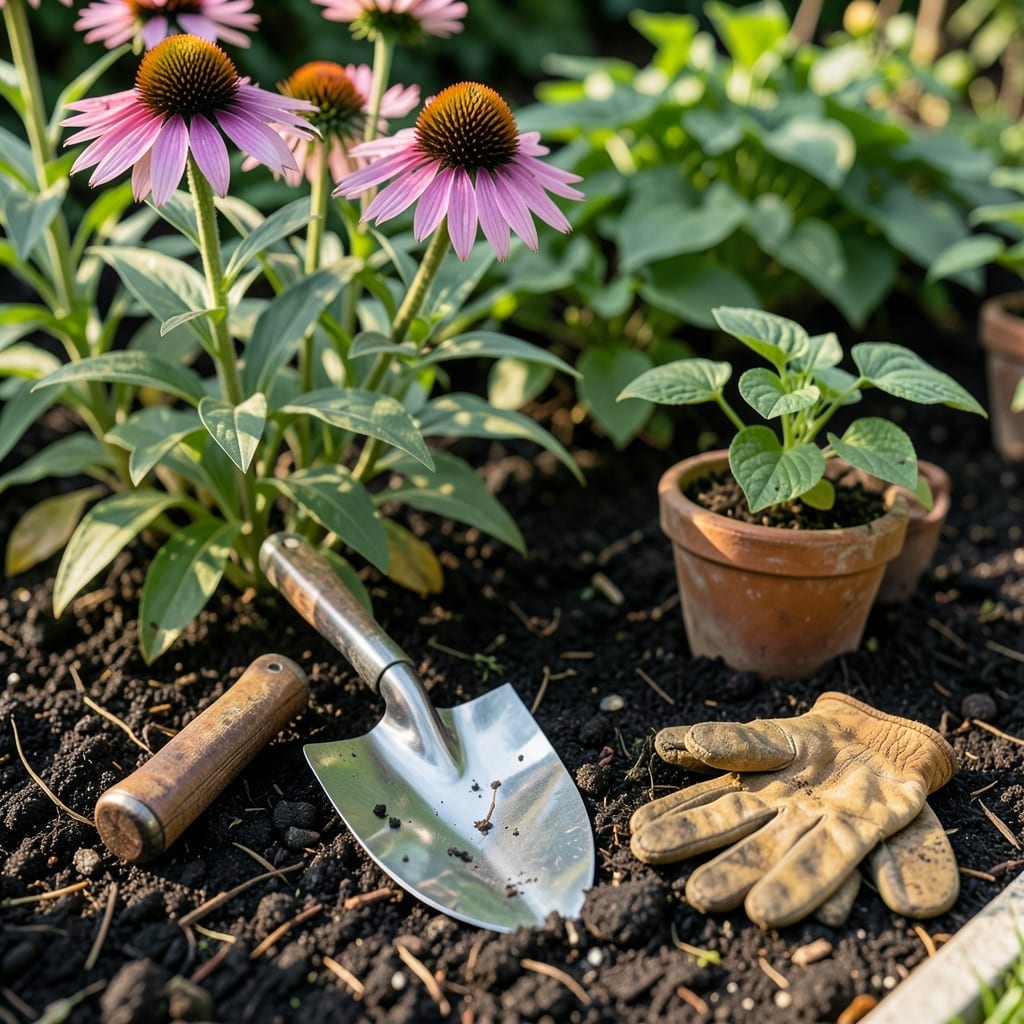
Timing is everything when planting 🌸 Perennials in zone 6—plant too early, and frost may kill your investment; too late, and roots won’t establish before winter.
This guide reveals the exact windows for success, helping you avoid costly mistakes while ensuring strong, healthy growth.
I’ll walk you through the best months, soil conditions, and seasonal factors that make all the difference for your garden.
Whether you’re a beginner or seasoned gardener, you’ll discover how to set your perennials up for long-term thriving.
In USDA Zone 6, timing your perennial planting is critical for survival. I’ve found that early spring and early fall offer the best windows for root establishment before extreme temperatures hit.
The last frost date in Zone 6 is typically April 15, so I wait until soil warms to 50-60°F in March-April for spring planting. This gives roots time to settle before summer heat.
For fall planting, I aim for September-October, ensuring roots establish before the first frost around October 15. This gives perennials a head start for next spring’s growth.
Bare-root perennials need extra care—I plant them in early spring only, as they’re more vulnerable to frost. Container-grown plants, however, can go in during either window.
I always check soil moisture before planting. If the soil is too wet or frozen, I wait. Well-draining soil is non-negotiable for preventing root rot in Zone 6’s variable weather.
Mulching is my secret weapon. I apply a 2-3 inch layer after planting to regulate soil temperature and retain moisture, especially for fall plantings.
For heat-sensitive perennials like hostas or bleeding hearts, I stick to spring planting to avoid summer stress. More resilient types like coneflowers or daylilies handle fall planting well.
I monitor the 10-day forecast before planting. If a late frost is predicted in spring or an early freeze in fall, I delay until conditions stabilize.
Finally, I water deeply after planting and continue weekly watering for the first month. This helps roots establish quickly, whether it’s spring or fall. ✂️
In Zone 6, I plan my perennial planting around two key seasons: spring and early fall. This timing ensures roots establish before summer heat or winter cold sets in.
I’ve found that March through May works best for spring planting, while September to October is ideal for fall. Each season has its own advantages for different perennial types.
For heat-tolerant perennials like black-eyed Susans or Russian sage, I often push planting into early June if spring was particularly wet. They handle summer heat better than most.
I always check the soil temperature before planting. For spring, I wait until it’s consistently above 50°F. In fall, I aim for 55-65°F to give roots time to grow before dormancy.
Microclimates in my garden affect timing too. Areas near buildings or paved surfaces warm up faster in spring, so I plant there first. Cooler, shadier spots get planted later.
I keep a garden journal to track planting dates and weather conditions. This helps me adjust my calendar each year based on actual conditions rather than just general guidelines. 🌿