
Beautiful Plants For Your Interior
Beautiful Plants For Your Interior
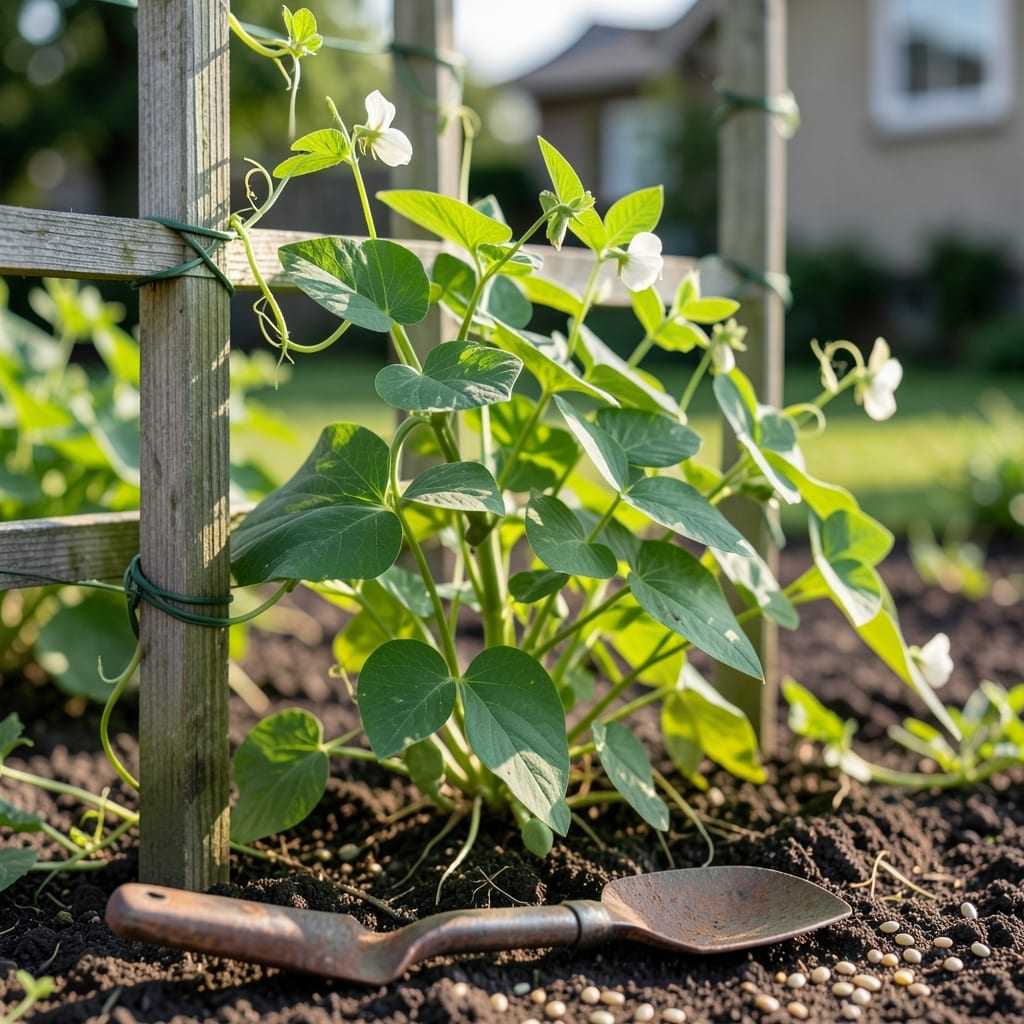
There’s something magical about planting the first crop of the season, and Peas are perfect for that early start in Zone 6. As one of the most cold-hardy vegetables, they thrive when others would shiver in the chill.
I’ve found that timing is everything with these little green powerhouses. Plant too early, and the soil might be too cold. Wait too long, and you’ll miss the sweetest harvest window.
What I’m about to share will help you nail that perfect planting moment for maximum yield. Whether you’re a first-timer or a seasoned gardener, these insights will set you up for success.
Let’s discover how to get your 🌱 Peas in the ground at just the right time for a bountiful spring harvest.
In Zone 6, you can start planting peas as early as late February to early March. This timing works because peas are cold-hardy and can tolerate light frosts, which are common in early spring here.
I always aim to sow my peas 4-6 weeks before the last frost date, which in Zone 6 is typically around April 15. This gives them enough time to establish before warmer weather sets in.
| Variety | Planting Window | Soil Temp | Frost Tolerance |
|---|---|---|---|
| Shelling Peas | Feb – March | 40-50°F | High |
| Snap Peas | Feb – April | 40-55°F | Medium |
| Snow Peas | March – April | 45-55°F | Medium |
For the best results, I recommend testing your soil temperature with a simple thermometer. Peas prefer cool soil between 40-55°F, so avoid planting if the ground is still frozen or waterlogged.
Early spring planting is ideal, but you can also try a fall crop in Zone 6. Sow peas again in late August to early September for a second harvest before the first frost in mid-October.
I’ve found that succession planting works wonders. By planting a new batch every 2-3 weeks until early May, you can extend your pea harvest well into summer.
If you’re dealing with unpredictable weather, consider using row covers to protect young seedlings from late frosts. This simple step can give your peas a 2-3 week head start in the season.
Remember, peas grow best in well-draining soil with plenty of organic matter. I always work in some compost before planting to ensure a strong start for my seeds.
For snap peas and snow peas, which are slightly less frost-tolerant, I wait until March when the soil has warmed a bit. This small adjustment can make a big difference in germination rates.
Finally, keep an eye on the 10-day forecast. If a hard freeze is predicted right after planting, it’s better to wait a few days. Peas can handle light frost, but temperatures below 25°F can damage young plants.
With proper timing and care, you’ll be enjoying fresh peas from your Zone 6 garden in no time 🌱
In Zone 6, you need cold-hardy pea varieties that can handle late frosts and cool soil. I’ve found that shelling peas like ‘Green Arrow’ and ‘Wando’ are top performers for early planting.
For snap peas, ‘Sugar Sprint’ and ‘Sugar Snap’ are excellent choices, as they tolerate 40°F soil and mature quickly. These varieties give you a head start before warmer weather arrives.
| Variety | Type | Maturity Days |
|---|---|---|
| Green Arrow | Shelling | 68 |
| Wando | Shelling | 70 |
| Sugar Sprint | Snap | 60 |
| Sugar Snap | Snap | 65 |
‘Green Arrow’ is a favorite for its reliable yield and disease resistance. It thrives in cool spring weather and produces sweet, plump pods perfect for shelling.
If you prefer snow peas, ‘Oregon Sugar Pod’ is a great pick. It grows well in partial shade and offers tender pods ideal for stir-fries or fresh eating.
For a quick harvest, ‘Sugar Sprint’ is unbeatable. This early-maturing snap pea is ready in just 60 days and handles light frosts like a champ.
Remember, soil temperature is key. Aim for 40-50°F for germination. In Zone 6, this usually means planting 4-6 weeks before the last frost date. 🌱
With the right pea varieties and timing, you’ll enjoy a bountiful harvest before summer heat sets in. These cold-hardy options ensure success even in unpredictable spring weather.