
Beautiful Plants For Your Interior
Beautiful Plants For Your Interior
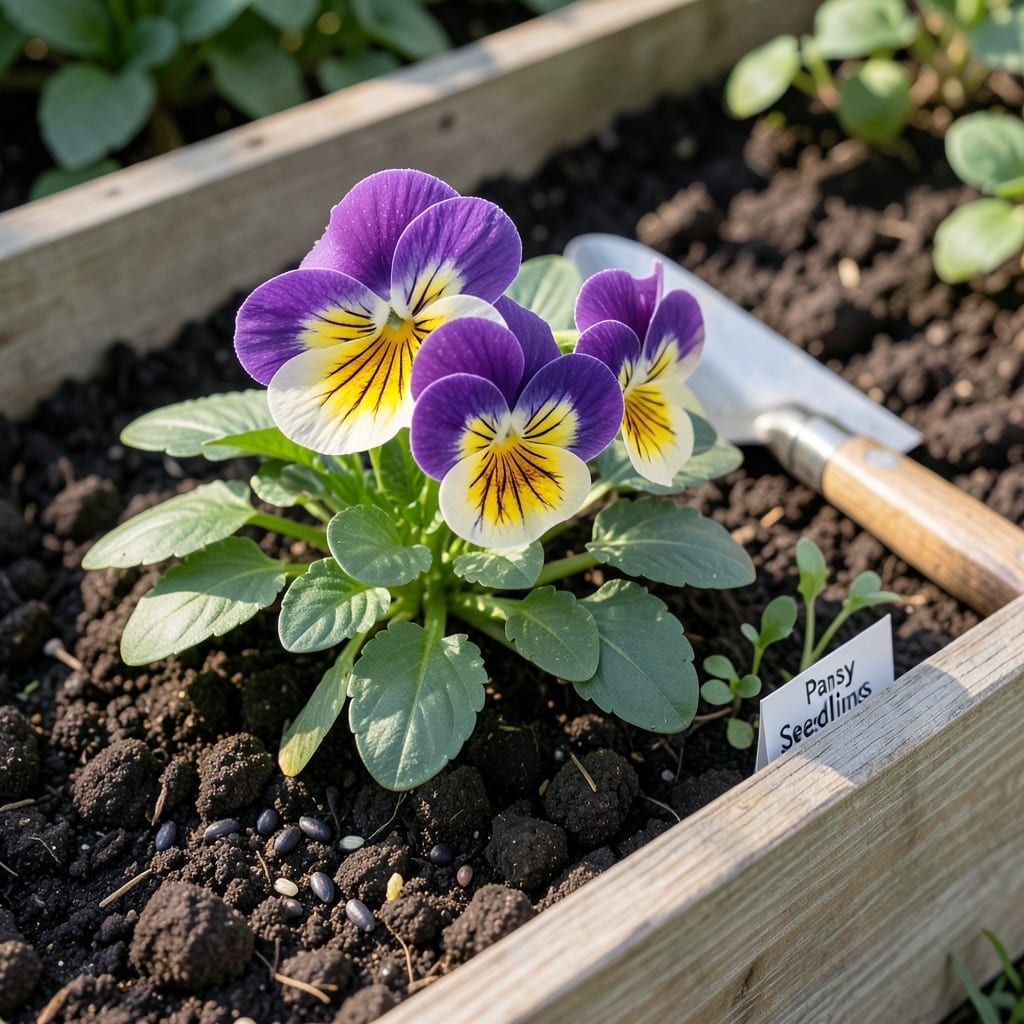
Pansies are the Northeast gardener’s secret weapon for early spring and late fall color, thriving when most flowers can’t handle the chill.
Timing your planting right means vibrant blooms that laugh at light frosts. The 🌸 Pansy is more resilient than most realize, but nailing the window is the key to success.
In zones 5a-7b, you’ve got two prime opportunities each year to get these hardy flowers in the ground. I’ll show you exactly when to plant for maximum impact.
Discover how to work with your local climate rather than against it, and enjoy colorful gardens when others are still waiting for warmer weather.
I’ve found that pansies are one of the most frost-tolerant flowers you can grow in the Northeast. They thrive in cool temperatures, making them perfect for early spring and late fall planting. 🌸
The key is timing: plant too early or too late, and you might lose them to a harsh freeze. In the Northeast, USDA zones 3-7 offer two ideal windows for pansies each year.
| Season | Planting Window | Frost Consideration |
|---|---|---|
| Early Spring | March-April | 4-6 weeks before last frost |
| Late Fall | September-October | 6-8 weeks before first frost |
In early spring, I aim to plant pansies 4-6 weeks before the last expected frost date. This gives them time to establish roots before warmer weather arrives. Soil temperature should be at least 45°F for best results.
For fall planting, I start 6-8 weeks before the first expected frost. This allows the plants to establish a strong root system before winter. Pansies can survive light frosts and even bloom through mild winters.
In zone 5, my last frost is typically around April 15-May 15, so I plant pansies in late March to early April. For fall, with first frost around October 15-November 1, I plant in late August to early September. 🌡️
Soil preparation is crucial. I always amend my beds with compost for better drainage and fertility. Pansies prefer moist but well-draining soil with a pH of 5.4-5.8 for optimal growth.
If you’re in a cooler zone like 3 or 4, you might need to adjust these windows slightly later in spring and earlier in fall. Microclimates matter too—a south-facing wall can give you a few extra weeks of growing time.
I’ve had great success with container planting for pansies. This lets me move them to protected areas during extreme cold snaps. Just ensure containers have drainage holes to prevent root rot.
Remember that pansies prefer cool weather and may struggle in the heat of summer. In the Northeast, they often go dormant during the hottest months but perk up again in fall.
By following these seasonal windows and preparing your soil properly, you’ll enjoy vibrant pansy blooms when most other flowers are still waiting for warmer weather. ✂️
Pansies handle light frosts like champions, but hard freezes can spell trouble. In the Northeast, late spring and early fall frosts are common, so protection is key.
I’ve found that mulching with straw or leaves adds insulation while row covers shield plants from sudden cold snaps. These methods extend your growing season significantly.
For container-grown pansies, moving pots to a sheltered porch or garage during overnight freezes works wonders. I do this every fall to keep blooms alive longer.
Selecting the right microclimate in your yard can also help. South-facing walls or areas near paved surfaces absorb heat during the day and release it at night.
Don’t forget to water early in the day. Wet soil at night can increase frost damage, while morning watering allows foliage to dry before temperatures drop.
With these strategies, your pansies will thrive through unpredictable Northeast weather and reward you with vibrant color when other plants can’t handle the cold. ✂️