
Beautiful Plants For Your Interior
Beautiful Plants For Your Interior
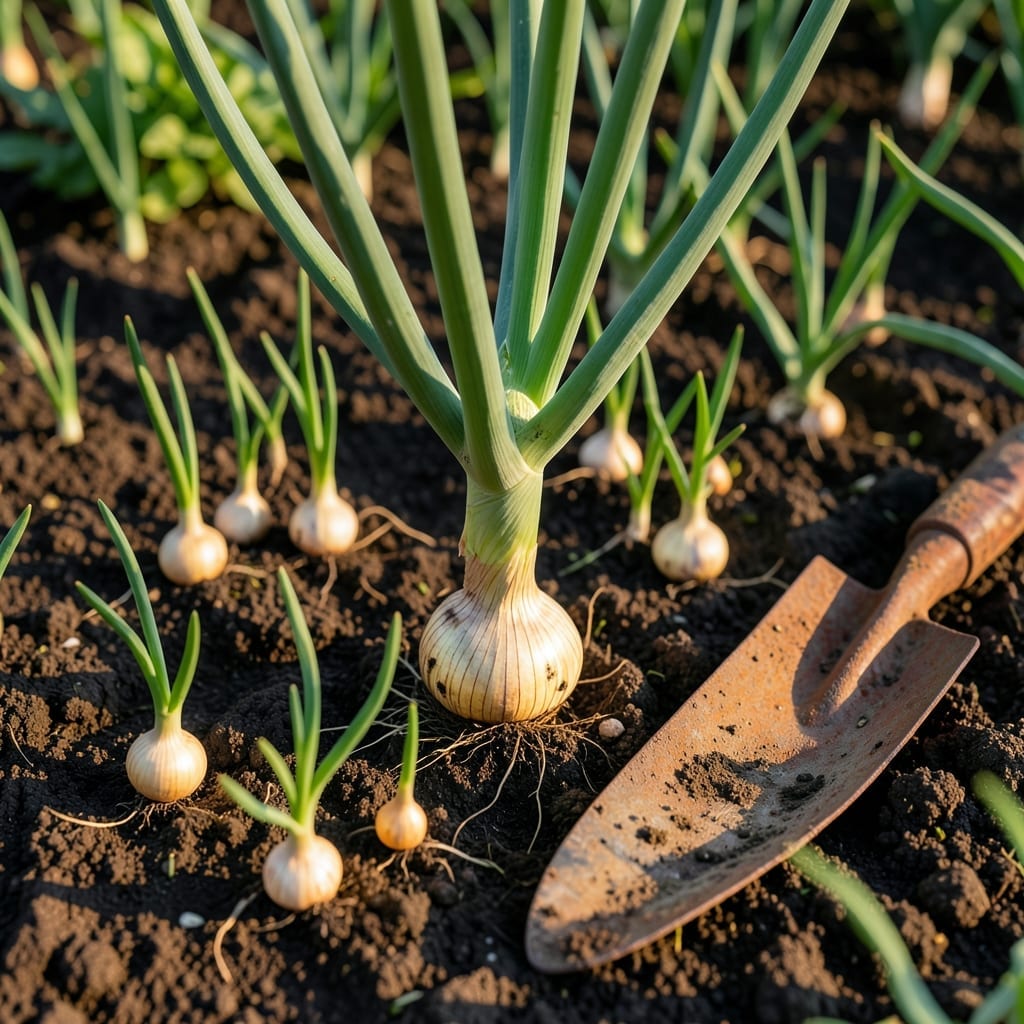
Timing your onion planting in Zone 6 can make or break your harvest. Get it right, and you’ll enjoy plump, flavorful bulbs come summer. Get it wrong, and you might end up with stunted growth or no onions at all.
I remember my first attempt at growing 🧅 onions—I planted them too late and wondered why they never bulbed properly. That’s when I learn how crucial timing is for this cool-season crop.
In Zone 6, the spring planting window is narrow but most important. You’ll want to get those sets or transplants in the ground as soon as the soil is workable, usually March to April.
Let me walk you through the exact timing, soil prep tips, and variety recommendations that will set you up for onion-growing success this season.
In USDA Zone 6, timing is everything for onion planting. The key is knowing when your soil warms up enough to support growth without risking frost damage to young plants.
For spring planting, aim to get onion sets or transplants in the ground 4-6 weeks before your last frost date, which is typically around April 15 in Zone 6. This usually means planting in late February to early March.
| Planting Type | Best Time | Soil Temp | Notes |
|---|---|---|---|
| Onion Sets | Late Feb – Early March | 40-50°F | Plant 2-4 weeks before last frost |
| Transplants | Early March – April | 50-60°F | Hardened off before planting |
| Seeds Indoors | January – February | 70°F | Start 8-10 weeks before transplant |
| Fall Planting | Late September | 50-60°F | For overwintering varieties |
For fall planting, you can try overwintering onions by planting in late September. Choose cold-hardy varieties like ‘Electric’ or ‘Senshyu Yellow’ that can survive Zone 6 winters.
Short-day onions are best for Zone 6 as they form bulbs with 10-12 hours of daylight. Plant these in early spring for a summer harvest. Long-day onions need 14-16 hours of light and are better suited for northern zones.
Soil temperature is critical. Onion seeds need 70°F to germinate, while sets and transplants can handle cooler soils down to 40°F. Use a soil thermometer to check conditions before planting.
Remember that Zone 6 has a 180-day growing season. For spring-planted onions, you’ll typically harvest in July or August, about 90-120 days after planting, depending on the variety.
If you’re starting from seeds indoors, begin 8-10 weeks before your planned transplant date. This gives seedlings enough time to grow strong before moving them outside.
For the best results, choose a sunny location with well-draining soil. Onions prefer loose, fertile soil with a pH between 6.0 and 7.0. Amend heavy clay with compost to improve drainage.
Whether you’re planting in spring or fall, proper timing ensures your onions develop strong root systems before facing extreme temperatures. This careful planning leads to bigger, healthier bulbs at harvest time 🌱
Preparing your Zone 6 garden for onions starts with soil testing. I always check my pH levels first—onions thrive in 6.0-7.0 pH soil. Amend with compost or aged manure to boost fertility.
Next, ensure your garden bed has excellent drainage. Onions hate soggy roots, so I add sand or perlite if my soil is heavy. Full sun exposure is non-negotiable for bulb development.
Steps to Prepare Your Garden for Onions:
I loosen the soil to 12 inches deep to give onion roots room to grow. This also helps with water penetration and nutrient uptake. A raised bed can be ideal if your soil is poor.
For Planting depth, I set onion sets about 1 inch deep and 4-6 inches apart. Rows should be 12-18 inches apart for good air circulation to prevent diseases.
After planting, I apply a 2-inch layer of organic mulch to retain moisture and suppress weeds. This keeps the soil temperature stable, which onions love.
Finally, I water deeply after planting and then maintain consistent moisture—about 1 inch per week. Avoid overhead watering to prevent fungal issues. ☀️