
Beautiful Plants For Your Interior
Beautiful Plants For Your Interior
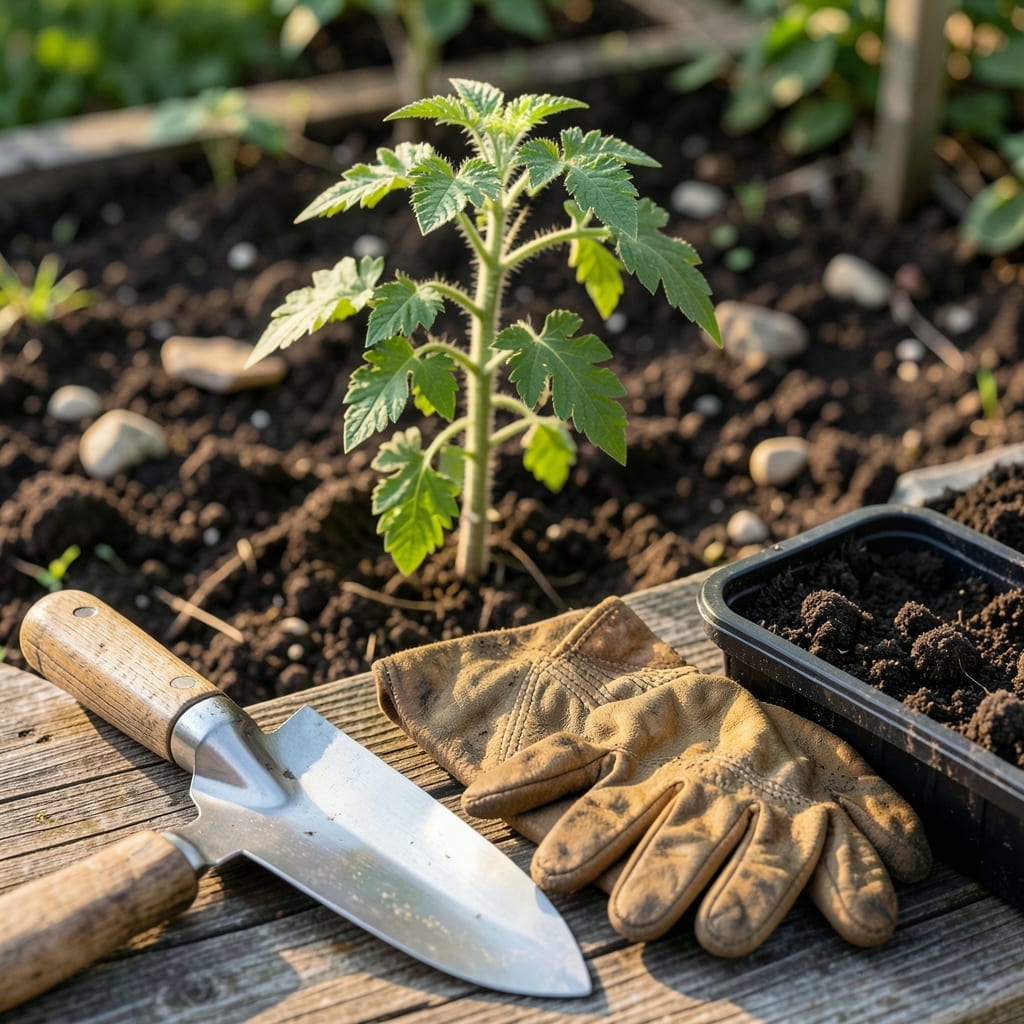
Timing is everything when planting a Vegetable Garden 🥕 in Michigan—start too early, and frost can kill your seedlings; plant too late, and you’ll miss the growing season.
This guide breaks down the exact dates for Zone 5b-6a gardeners to maximize yield and avoid common pitfalls.
Whether you’re planting cool-season crops like peas and spinach or warm-season favorites like tomatoes, knowing your window is the key to success.
Discover how to align your planting schedule with Michigan’s unique climate for a thriving garden from spring to fall.
In Michigan’s Zone 5-6, the last spring frost typically hits around May 15, while the first fall frost arrives near October 15. This gives gardeners about 150 frost-free days to work with.
I always recommend checking your local microclimate, as areas near Lake Michigan may have slightly different conditions than inland spots.
| Crop Type | Planting Window | Notes |
|---|---|---|
| Cool-Season Veggies | Early April–May | Peas, spinach, kale tolerate light frost |
| Warm-Season Veggies | Mid-May–June | Tomatoes, peppers need 60°F+ soil |
| Flowers (Annuals) | After last frost | Marigolds, zinnias thrive in heat |
| Herbs | May–June | Basil, cilantro prefer warm soil |
For Upper Peninsula gardeners, the season is shorter, so I suggest starting seeds indoors 6-8 weeks before transplanting. This head start helps maximize the shorter growing window.
Soil temperature is just as important as air temperature. I use a soil thermometer to confirm it’s at least 50°F for most vegetables and 60°F for heat-loving plants.
In Lower Michigan, you can often plant cool-season crops like lettuce and radishes as early as late March under row covers. These protect tender plants from sudden cold snaps.
For warm-season crops like tomatoes and peppers, I wait until nighttime temperatures consistently stay above 50°F. Planting too early can stunt growth or kill seedlings.
Fall planting is also possible in Michigan. I sow fast-growing crops like radishes and spinach in late August for a second harvest before the first frost.
If you’re unsure about your exact frost dates, I recommend checking with your local MSU Extension office. They provide hyper-local advice tailored to your area.
Remember, microclimates matter! South-facing slopes or urban areas may warm up faster, allowing for earlier planting than the general dates suggest.
With the right timing, you’ll enjoy a bountiful harvest from July through October 🌱
Michigan’s short growing season means strategic plant selection is key. I focus on early-start varieties like peas and spinach that tolerate cool temperatures and can go in the ground 6-8 weeks before the last frost.
For heat-loving plants like tomatoes and peppers, I wait until soil warms to 60°F—usually mid-May to June—to avoid stunting their growth.
I always start seeds indoors for slow-growing crops like tomatoes to give them a head start. This is especially helpful in the Upper Peninsula, where the season is even shorter.
For fall harvests, I sow fast-growing crops like radishes and lettuce in late August. These mature quickly before the first frost hits in mid-October.
Row covers are my secret weapon for early spring and late fall planting. They protect tender plants from unexpected cold snaps and can add 2-4 weeks to your growing season.
Remember, soil prep is just as important as timing. I always amend my beds with compost before planting to ensure healthy root development and strong growth 🌱