
Beautiful Plants For Your Interior
Beautiful Plants For Your Interior
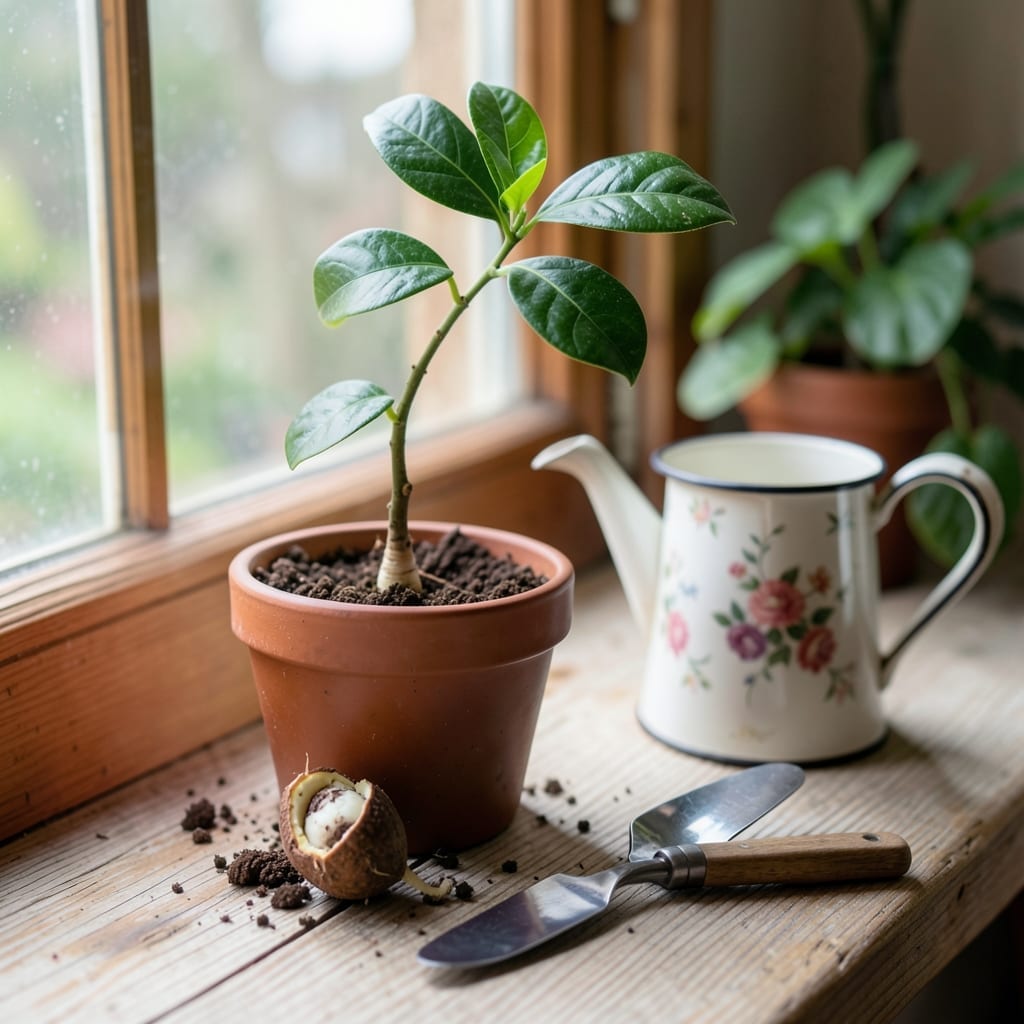
Watching an Avocado 🥑 seed sprout roots in water is exciting, but timing the move to soil is crucial. Many eager gardeners rush this step and end up with a struggling seedling.
In zones 9b-11, the ideal window is March through June. This gives your young plant the best chance to establish strong roots before summer heat arrives.
You’ll want to see at least 3-4 inch roots before making the transfer. The seed should also show signs of splitting, indicating it’s ready for the next stage.
Discover the exact signs to look for and how to create the perfect soil conditions. Your future Avocado tree depends on getting this right from the start.
Transplanting an avocado seed too early can shock the delicate roots. I always wait until the roots reach 3-4 inches long, which shows strong development. This length ensures the seedling can anchor itself and absorb nutrients effectively.
The seed should also show signs of splitting open or early leaf growth. These are clear indicators that your avocado seed is ready for soil. Rushing this step often leads to stunted growth or even failure.
| Sign | Description |
|---|---|
| Root Length | At least 3-4 inches long |
| Seed Splitting | Seed begins to crack open |
| Early Leaves | Small sprouts or leaves forming |
| Strong Development | Healthy, white roots visible |
I’ve learned that white, healthy roots are a must. If the roots look brown or mushy, your seed isn’t ready. This usually means the seed is still developing or the water needs changing.
Another key sign is the seed splitting along its seam. This natural process allows the embryo to emerge and signals it’s time to move to soil. Without this, the seedling may struggle to grow properly.
Early leaf growth is the final confirmation. When you see a small green shoot emerging from the seed, it’s a sure sign your avocado is ready. This shoot will soon become the first leaves of your future tree.
Timing also depends on your climate zone. In USDA zones 9b-11, the ideal window is March through June. This ensures warm soil and no frost risk, which are critical for young avocado plants.
If you’re growing indoors, you can transplant year-round as long as you maintain consistent warmth. Just ensure the seed meets the readiness signs first. Indoor plants need extra attention to light and humidity.
Remember, patience is key. I’ve seen many gardeners lose their avocado seedlings by transplanting too soon. Waiting for these clear signs will give your plant the best start in its new soil home.
Once your seed shows these signs, it’s time to prepare the perfect soil mix. A well-draining, slightly acidic blend works best. This sets the stage for healthy root development and strong early growth.
Transplanting your avocado seed at the right time is just the first step. The actual planting process requires care to prevent transplant shock. I always prepare my materials before moving the seed from water. 🌱
Start by selecting a well-draining pot about 10 inches in diameter. Avocados hate soggy roots, so drainage holes are a must. Use a potting mix designed for tropical plants or create your own blend.
⚠️ Avoid Common Mistakes: Don’t bury the seed too deep. Only the bottom half should be covered with soil. Planting too deep can suffocate the developing seedling.
Gently place your seed in the pot with the rooted half buried and the top half exposed. The small shoot should remain above soil level. Press the soil lightly to remove air pockets but don’t compact it.
After planting, give your seedling a thorough watering until water runs out the drainage holes. This helps settle the soil and removes air gaps around the roots. Place the pot in a warm, bright location with indirect light. ☀️
For the first week, keep the soil consistently moist but not waterlogged. I use a spray bottle to mist the soil surface daily, which helps maintain humidity without oversaturating the roots.
Watch for new growth appearing within 2-4 weeks. This is your sign that the transplant was successful. Once you see new leaves, you can begin fertilizing lightly with a balanced houseplant fertilizer.