
Beautiful Plants For Your Interior
Beautiful Plants For Your Interior
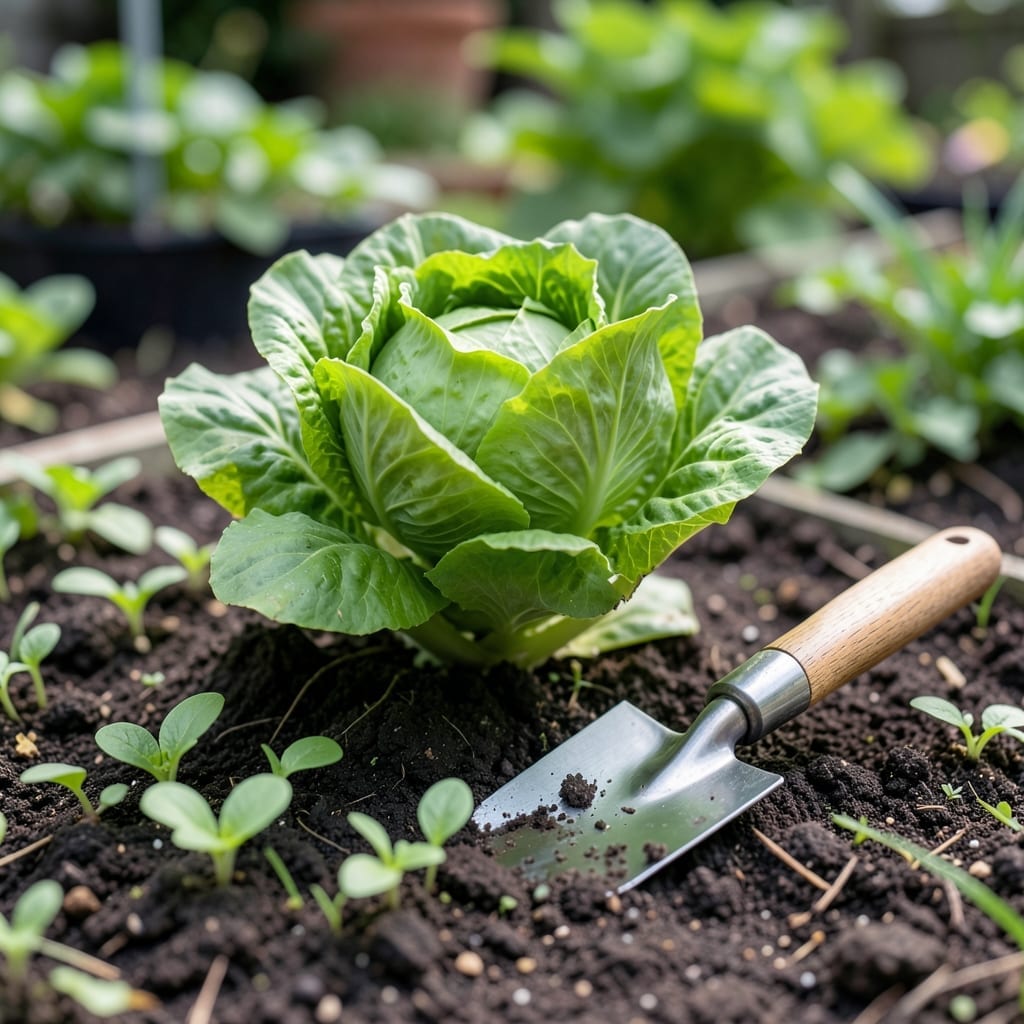
Timing is everything when planting Lettuce 🥬 in Zone 7—plant too early and frost may ruin your crop, too late and the summer heat will bolt your greens.
I’ve learned the hard way that getting this right makes all the difference. The key is working with your climate, not against it.
Whether you’re a seasoned gardener or just starting out, knowing the exact windows can double your harvest. And I’m about to share those precise timings with you.
Discover how to make the most of both spring and fall planting seasons for crisp, delicious Lettuce every time.
In Zone 7, timing your lettuce planting is crucial for avoiding frost and heat stress. I always aim for early spring or late summer to give my greens the best start. The soil temperature should be between 40-50°F for optimal germination.
For spring, I start sowing 4-6 weeks before the last frost date, which is around April 15th in Zone 7. This usually means planting in late February to early March. For fall, I plant 6-8 weeks before the first frost, around October 15th. 🌱
| Stage | Spring Timing | Fall Timing |
|---|---|---|
| Direct Sow | Late Feb – Early March | Mid Aug – Early Sept |
| Transplant | Early March – April | Late Aug – Sept |
| Soil Temp | 40-50°F | |
I’ve found that direct sowing works best for me, but transplanting can give you a head start if you’re worried about unpredictable weather. Just remember that lettuce seeds need light to germinate, so don’t bury them too deep.
For spring planting, I watch for soil temperatures to reach at least 40°F. You can use a soil thermometer to check. If the soil is too cold, the seeds may rot or germinate poorly. In fall, I
Heat-tolerant varieties like Romaine or Butterhead are my go-to for late summer plantings. They handle the warm temperatures better than crisphead types. I also use shade cloth to protect them from intense afternoon sun.
Another tip I swear by is succession planting. I sow new seeds every 2-3 weeks to ensure a continuous harvest. This works especially well in spring when temperatures are rising gradually. In fall, I stop planting about 4 weeks before the first expected frost.
Don’t forget about soil preparation. Lettuce thrives in well-draining soil rich in organic matter. I always amend my beds with compost before planting. This improves both drainage and fertility, giving your lettuce the best possible growing conditions. ☀️
If you’re new to gardening in Zone 7, start with leaf lettuces like Black Seeded Simpson or Oakleaf. They’re easier to grow and more forgiving of less-than-perfect conditions. Head lettuces like Iceberg require more precise timing and care.
Finally, keep an eye on the weather forecast. If an unexpected late frost is predicted after you’ve planted, cover your seedlings with row covers or cloches to protect them. A little extra care early on can make all the difference in your harvest. 🌿
Extending your lettuce season in Zone 7 is all about working with the climate. I use several tricks to enjoy fresh greens for months, not just weeks. The key is succession planting and smart seasonal adjustments. 🌱
I start by sowing new seeds every 2-3 weeks in spring. This staggered approach ensures a continuous harvest as temperatures rise. In fall, I plant my last batch about 4 weeks before the first expected frost.
For summer growing, I rely on shade cloth to protect my lettuce from intense afternoon sun. This simple addition can lower soil temperatures by 10-15°F, preventing bolting and extending the harvest window significantly.
In late fall, I switch to cold frames or row covers. These protect my plants from light frosts while still allowing sunlight and air circulation. I’ve harvested fresh lettuce well into December using this method.
Heat-tolerant varieties are game-changers for Zone 7. I recommend Romaine, Butterhead, or Oakleaf types. They handle temperature fluctuations better than crisphead varieties and often have better disease resistance.
Remember that soil moisture is critical for season extension. Lettuce needs consistent watering, about 1 inch per week. I water in the morning to prevent fungal diseases and use drip irrigation for best results. 🌿