
Beautiful Plants For Your Interior
Beautiful Plants For Your Interior
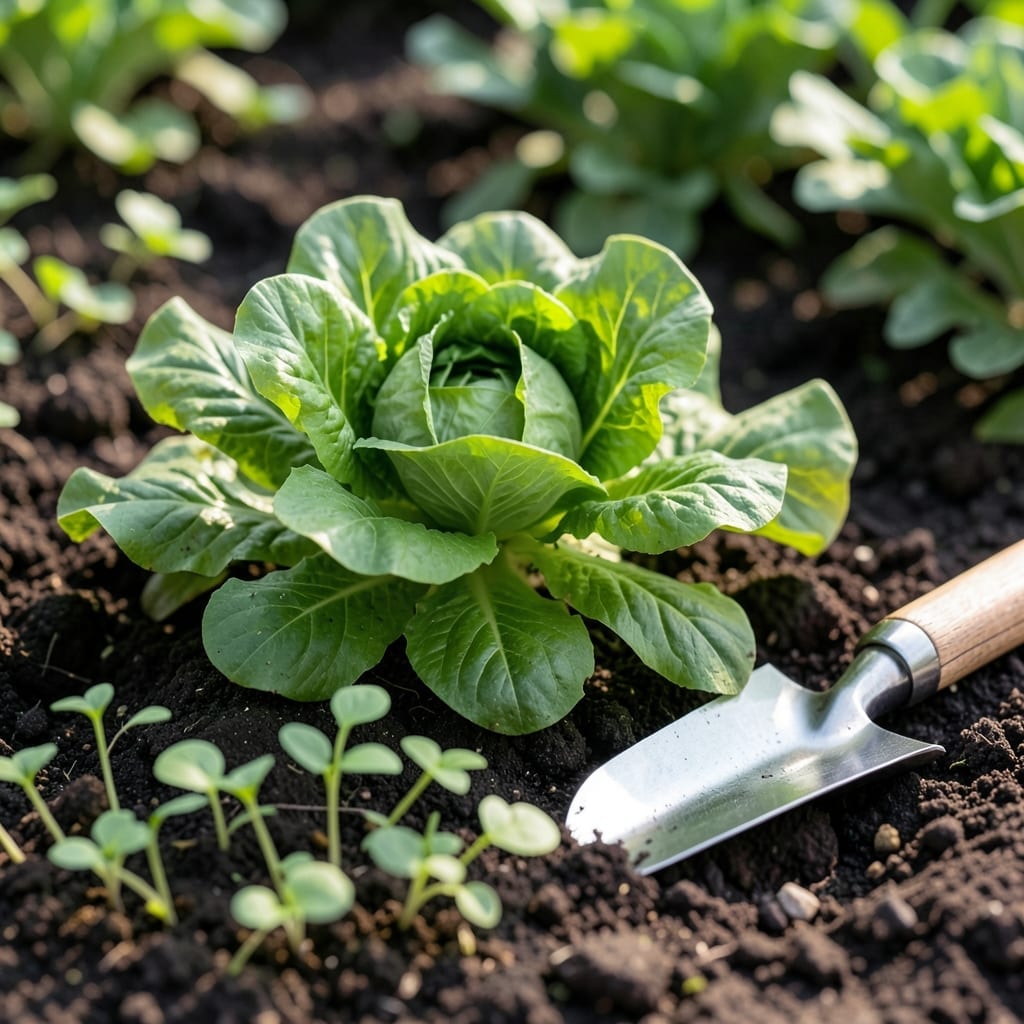
Timing is everything when planting 🥬 Lettuce in Zone 6—plant too early, and frost may ruin your crop; too late, and summer heat turns leaves bitter.
I’ve learned the hard way that getting the timing right means the difference between crisp, sweet lettuce and a disappointing harvest. Zone 6 offers two ideal windows to nail it.
Discover how to align your planting with the season’s rhythms, avoiding the pitfalls of extreme temperatures. You’ll be surprised how simple it is once you know the schedule.
Let me walk you through the most reliable spring and fall planting times so you can enjoy fresh lettuce straight from your garden.
In Zone 6, timing your lettuce planting is key to avoiding frost damage and heat stress. I’ve found the best spring window is 4-6 weeks before the last frost, typically mid-March to early April. 🌱
For a fall harvest, aim to plant 6-8 weeks before the first frost, which usually means late August to early September. This ensures your lettuce matures before cold weather sets in. 🌿
| Season | Planting Window | Harvest Time |
| Spring | Mid-March to early April | May to June |
| Fall | Late August to early September | October to November |
| Soil Temp | 40-65°F | Consistent moisture |
I always check the soil temperature before planting—lettuce seeds germinate best at 40-65°F. If the ground is still cold, I use row covers to warm it up faster. This small step can make a big difference in early growth. ☀️
For succession planting, I sow new seeds every 2-3 weeks during the spring window. This way, I enjoy a continuous harvest rather than one large crop all at once. It’s a simple trick that keeps my garden productive. ✂️
In the fall, I pay close attention to the first frost date, which is around October 15 in Zone 6. Planting too late can result in stunted growth or frost damage, so I stick to the late August to early September window. 🌡️
If you’re unsure about your exact frost dates, I recommend checking with your local extension office or using an online tool. They can provide hyper-local data to fine-tune your planting schedule. This precision helps avoid costly mistakes. 📌
I’ve also had success with cold-hardy varieties like Winter Density and Arctic King. These can handle lighter frosts, giving you more flexibility in the fall. Just be sure to mulch heavily to protect the roots. 🪴
For spring plantings, I prefer loose-leaf lettuces like Black Seeded Simpson or Oakleaf. They mature quickly and are less likely to bolt in the warming temperatures. This means more sweet, tender leaves for my salads. 🌻
Remember, lettuce bolts (goes to seed) when temperatures consistently hit 75-80°F. In Zone 6, this often happens by late May or early June, so I plan my last spring planting accordingly. Timing is everything! 💧
I’ve learned that extending the lettuce growing season in Zone 6 is all about protection. Using row covers in early spring helps shield young plants from unexpected late frosts. This simple step can add weeks to your harvest window. 🌱
In the fall, I rely on shade cloth to prevent heat stress as temperatures rise. It keeps the soil cooler and reduces bolting, ensuring a longer, more productive season. 🌿
I also recommend planting heat-tolerant varieties like Jericho or Romaine. These can withstand higher temperatures better than most, giving you more flexibility in your planting schedule. Just be sure to mulch heavily to retain moisture. ☀️
For spring plantings, I start seeds indoors 4-6 weeks before the last frost. This gives them a head start and ensures they’re strong enough to handle the outdoor conditions when transplanted. It’s a great way to get a jump on the season. ✂️
In the fall, I often use cold frames to extend the growing season even further. These mini greenhouses can keep your lettuce thriving well into November, even after the first light frost. It’s a game-changer for late-season harvests. 🌡️
Remember, consistent watering is key, especially during dry spells. I water my lettuce in the morning to allow the leaves to dry before evening, reducing the risk of fungal diseases. This small habit makes a big difference. 💧