
Beautiful Plants For Your Interior
Beautiful Plants For Your Interior
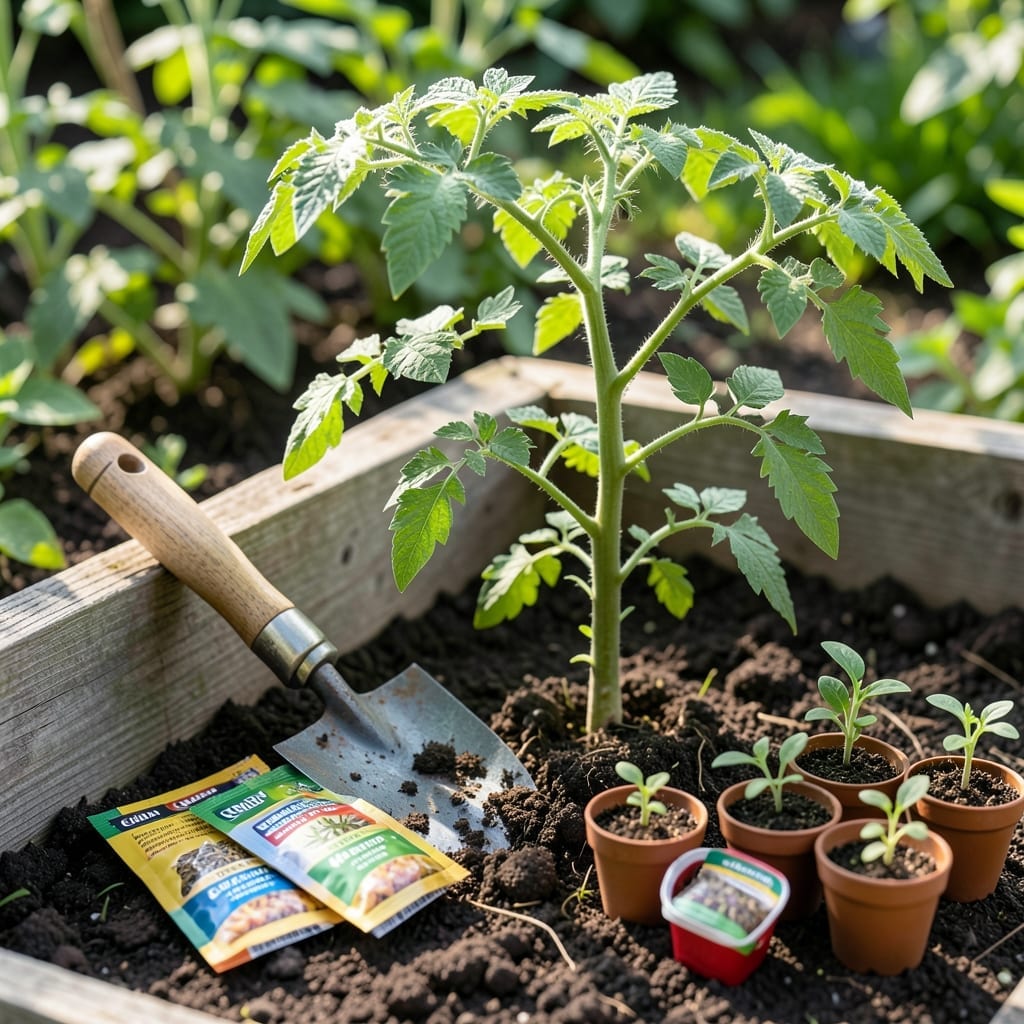
Timing is everything in gardening, and knowing exactly when to plant can make or break your harvest. In Zone 6A, the window is precise but rewarding.
The 🌱 General Vegetable thrives when the soil warms and frost risks pass. Missing this window means stunted growth or lost crops.
I’ve tested countless schedules, and the optimal dates for this zone are game-changers. Whether you’re planting vegetables or flowers, timing aligns with nature’s rhythm.
Discover the exact planting windows and strategies to maximize your growing season. Let’s get started.
In USDA Zone 6A, your planting success hinges on understanding the last frost date, which typically falls around April 15. This date marks when you can safely plant frost-sensitive crops without risk of damage.
The first frost usually arrives by October 15, giving you about 180 frost-free days. This window is perfect for growing a wide range of vegetables and flowers.
| Season | Plant Type | Best Planting Time | Key Crops |
|---|---|---|---|
| Early Spring | Cold-hardy | March to early April | Peas, spinach, kale |
| Spring | Cool-season | April to early May | Lettuce, carrots, radishes |
| Late Spring | Warm-season | Mid-May to early June | Tomatoes, peppers, beans |
| Summer | Heat-tolerant | June to July | Okra, sweet potatoes, corn |
| Fall | Cool-season | Late August to September | Broccoli, cabbage, beets |
I always remind gardeners that microclimates can shift these dates slightly. Urban areas or south-facing slopes may warm up 1-2 weeks earlier than rural or low-lying spots.
For perennial flowers and shrubs, early spring or fall planting works best. This timing allows roots to establish before summer heat or winter cold sets in.
If you’re starting seeds indoors, begin 6-8 weeks before the last frost date. This head start is crucial for slow-growing plants like tomatoes and peppers.
Soil temperature matters too. Most warm-season crops need soil at least 60°F to germinate properly. A simple soil thermometer can save you from planting too early.
In my experience, keeping a garden journal helps track your local conditions. Note when you plant and when frosts occur to refine your schedule each year.
Zone 6A’s moderate climate supports both cool and warm-season crops. By following these guidelines, you’ll maximize your harvest and enjoy a productive garden all season long 🌱
In Zone 6A, your planting calendar revolves around frost dates. I start cool-season crops like kale and spinach in early March, as they tolerate light frosts. These thrive in 40-60°F soil and give you an early harvest before summer heat arrives.
Once soil warms to 60°F in mid-April, it’s time for warm-season favorites like tomatoes, peppers, and beans. I always wait until after the last frost date—typically April 15—to avoid losing tender plants to a surprise cold snap.
For perennial flowers, I plant daylilies and coneflowers in early spring or fall. These establish strong roots before extreme heat or cold. Bulbs like tulips go in the ground in October, before the first frost.
Don’t forget herbs! Basil and cilantro love warm soil, so I plant them in late May. Parsley and chives can handle cooler temps, making them perfect for early spring or fall planting.
I extend my season with succession planting. After harvesting spring lettuce, I immediately sow bush beans or zucchini. This keeps my garden productive from April through October without empty spaces.
Remember, microclimates matter. If you have a sunny south-facing spot, you might plant 1-2 weeks earlier than shadier areas. I always keep a garden journal to track what works best in my specific conditions. 🌿