
Beautiful Plants For Your Interior
Beautiful Plants For Your Interior
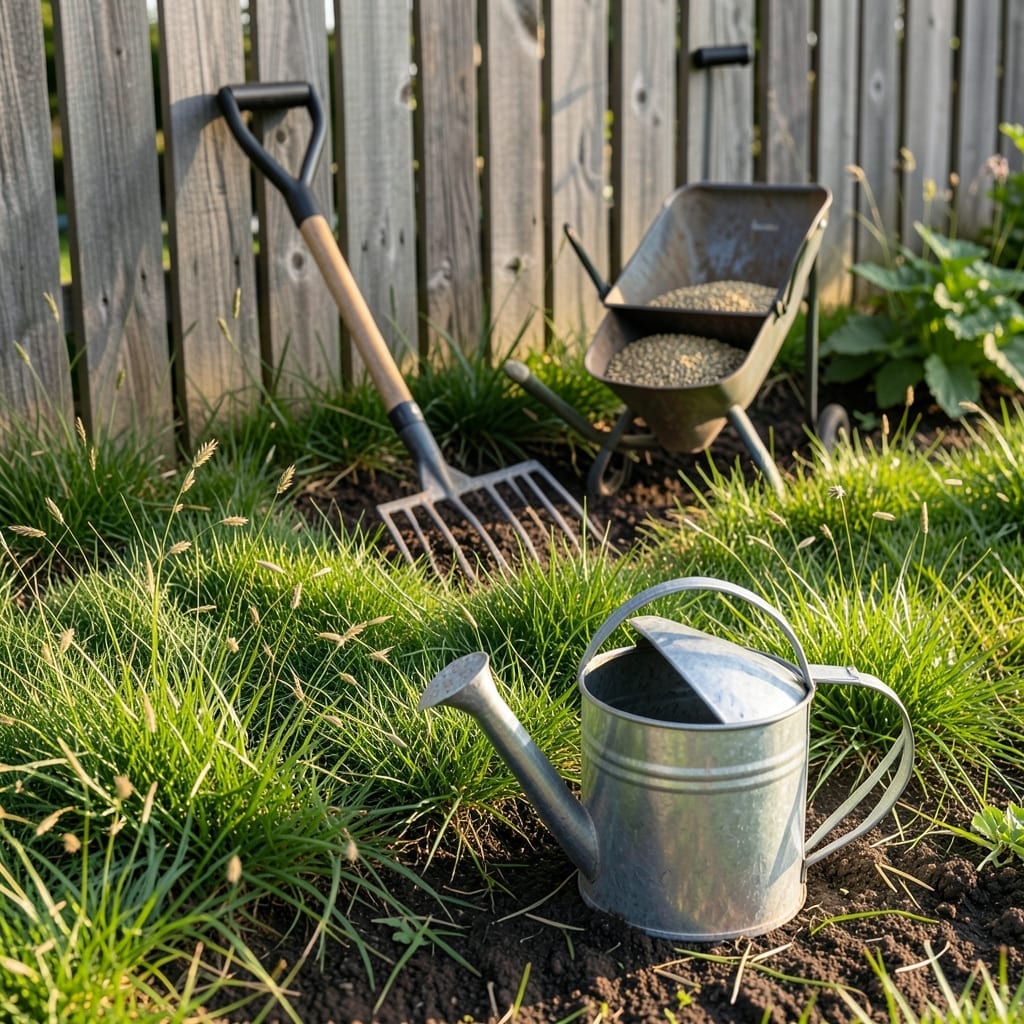
Timing your spring 🌱 Grass planting perfectly can mean the difference between a lush, vibrant lawn and a patchy, struggling one. The key lies in soil temperature, not just air temperature.
I’ve seen too many gardeners jump the gun in early spring, only to watch their efforts wash away with late frosts. For Zone 6, waiting until April or May when soil consistently hits 50°F gives your seeds the best shot.
But it’s not just about the calendar. Understanding your specific grass type and local conditions makes all the difference. I’ll walk you through the most reliable indicators that it’s time to plant.
Discover how to read nature’s signs and prepare your soil for faster, more successful germination this season.
The perfect time to plant grass seed isn’t just about the calendar—it’s about what’s happening beneath your feet. Soil temperature is the most reliable indicator for successful germination.
For most cool-season grasses, you want soil to consistently reach 50-65°F. This typically occurs in mid-to-late spring for most regions, but varies by climate zone.
| Requirement | Specification |
|---|---|
| Cool-season grasses | 50-65°F soil temp |
| Warm-season grasses | 65-70°F soil temp |
| Measurement depth | 2-3 inches below surface |
| Testing time | Early morning for accuracy |
I always recommend using a soil thermometer for precision. These inexpensive tools take the guesswork out of timing and are far more reliable than air temperature readings.
Kentucky bluegrass and tall fescue thrive in this 50-65°F range, while Bermuda grass needs warmer soil closer to 65-70°F. Planting too early can lead to poor germination or seed rot.
The depth of measurement matters too. Always check temperature 2-3 inches below the soil surface, as this is where the seeds will be. Surface temperatures can be misleading.
In my experience, the morning hours give the most accurate readings. Soil temperature fluctuates less than air temperature, making it a more stable indicator for planting decisions.
Remember that consistency is key. A few warm days don’t mean spring has arrived. You want at least 7-10 consecutive days of appropriate soil temperatures before planting.
For those in Zone 6, this typically means mid-April to early May for cool-season grasses. But always let the soil temperature guide you, not just the date on the calendar.
Pro tip: If you’re unsure, wait a week. It’s better to plant a little late than too early when conditions aren’t optimal. 🌱
Not all grass varieties thrive with the same spring planting schedule. Cool-season grasses like Kentucky bluegrass and tall fescue prefer the 50-65°F soil range of early to mid-spring.
Warm-season grasses such as Bermuda or Zoysia need warmer soil, typically 65-70°F, making late spring or early summer their ideal window. 🌱
| Variety | Best Planting Time | Soil Temp |
|---|---|---|
| Kentucky Bluegrass | Early spring | 50-65°F |
| Tall Fescue | Early to mid-spring | 50-65°F |
| Bermuda Grass | Late spring | 65-70°F |
| Zoysia Grass | Late spring | 65-70°F |
In Northern regions, I recommend focusing on cool-season varieties as they establish well before summer heat arrives. These grasses also handle early spring frosts better than warm-season types.
Southern gardeners should wait for consistently warm soil before planting Bermuda or Zoysia. Planting these too early in cool soil often leads to poor germination and weak growth.
For transition zones (like Zone 6), you have more flexibility. I’ve had success planting tall fescue in mid-April and Bermuda in late May, adjusting based on that year’s weather patterns.
Remember that seed quality matters as much as timing. Always choose fresh, high-quality seed for your specific grass type to ensure the best results. 🌿