
Beautiful Plants For Your Interior
Beautiful Plants For Your Interior
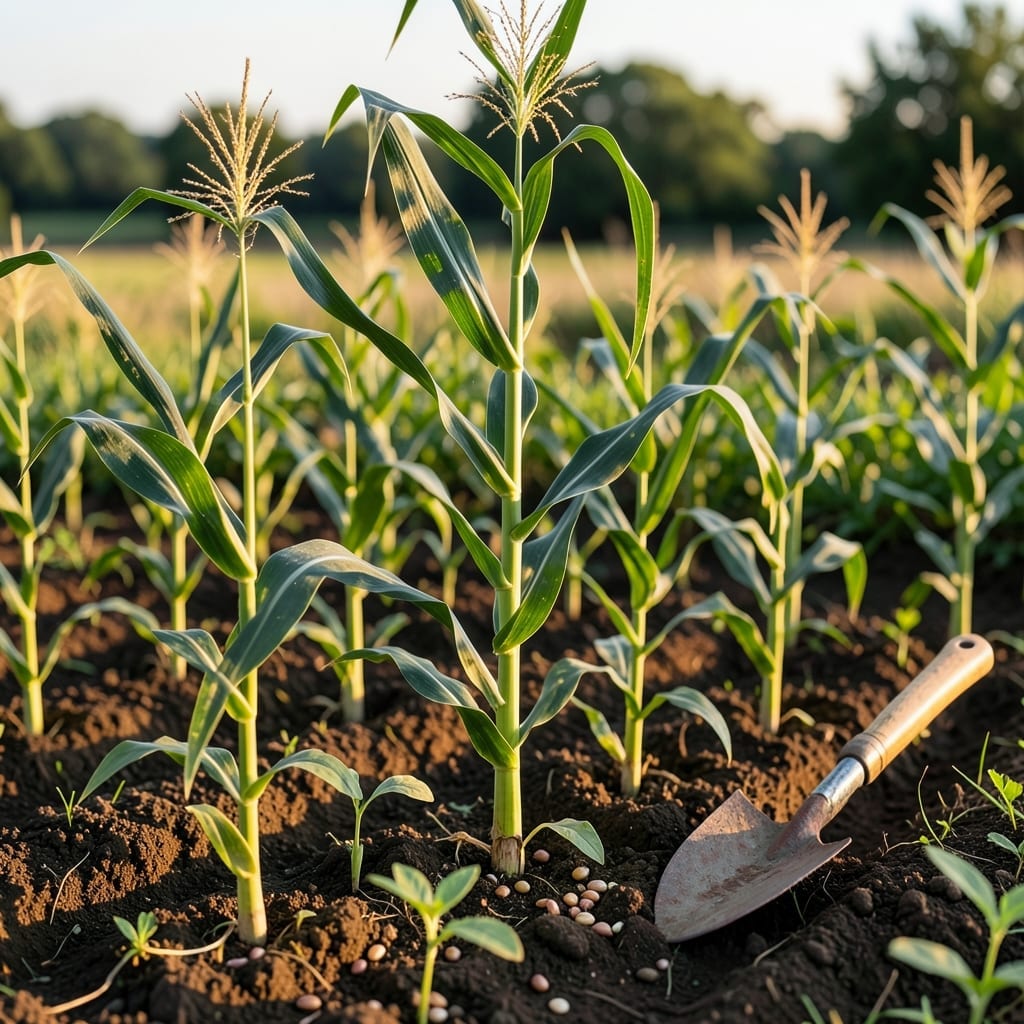
Timing is everything when planting 🌽 Corn in Zone 7—plant too early and frost can ruin your crop, too late and you’ll miss the sweetest harvest window.
Get the exact dates and pro tips to ensure a bumper yield. The difference between a thriving garden and a disappointing one often comes down to just a few weeks.
I’ll walk you through the optimal planting windows for Zone 7, so you can avoid common mistakes. Whether you’re a beginner or seasoned gardener, these insights will set you up for success.
Discover how to align your planting schedule with the climate for the best results. Let’s make this your most productive growing season yet.
In USDA Zone 7, the sweet spot for planting corn starts after the last frost, typically around April 15. But soil temperature is the real decider—it must be at least 60°F for seeds to germinate properly.
For sweet corn, I recommend planting between mid-April and early June for a summer harvest. Field corn can go in a bit earlier, as it’s hardier, but still needs warm soil to thrive.
| Stage | Sweet Corn | Field Corn |
|---|---|---|
| Planting Window | Mid-April to early June | Early April to mid-May |
| Soil Temp | 60-65°F minimum | 55-60°F minimum |
| Harvest Time | 60-100 days | 90-120 days |
| Frost Sensitivity | High (needs warmth) | Moderate |
| Best Varieties | Early Sunglow, Sugar Buns | Pioneer P1185, DKC62-97 |
If you’re eager to start earlier, use black plastic mulch to warm the soil faster. I’ve seen this trick push planting dates up by 1-2 weeks in my own garden. Just remove it once seedlings emerge to avoid overheating.
For a fall harvest, plant early-maturing varieties around late July to early August. This gives them enough time to mature before the first frost around October 15. Be sure to count backward from your frost date to ensure success.
I always check my soil temperature with a simple thermometer before planting. If it’s below 60°F, I wait—corn seeds won’t germinate well in cold soil, and you risk poor stands or stunted growth.
Don’t forget that corn is wind-pollinated, so plant in blocks of at least 3-4 rows rather than single long rows. This ensures better pollination and fuller ears. I learned this the hard way my first year!
In Zone 7, our long growing season (about 180 frost-free days) lets you try succession planting. Space plantings 2-3 weeks apart for a continuous harvest through summer and early fall.
If a late frost is forecasted after planting, cover young seedlings with frost blankets or old bedsheets. Corn can handle a light frost, but temperatures below 32°F can damage or kill young plants.
Finally, well-draining soil is critical. Corn hates “wet feet,” so amend heavy clay with compost or sand before planting. I add a balanced fertilizer at planting and again when plants are knee-high.
With the right timing and care, you’ll be enjoying fresh, homegrown corn all season long in Zone 7 🌽
Getting corn seeds to sprout in Zone 7 isn’t just about timing—it’s about creating the perfect conditions. I’ve learned that even with the right dates, poor germination can ruin your crop before it starts.
One of my go-to tricks is using black plastic mulch to warm the soil. This simple step can raise soil temperature by 5-10°F, giving your seeds the heat they crave for faster, stronger sprouting.
Another pro tip: soak seeds overnight before planting. This hydrates them and speeds up germination, especially in cooler spring conditions. I’ve seen this reduce sprouting time by 2-3 days in my garden.
Don’t overlook spacing—crowded plants compete for nutrients and water. Aim for 12-18 inches between seeds in rows 30-36 inches apart. This gives roots room to grow and ensures each stalk gets enough sunlight.
If a cold snap is forecasted after planting, protect young seedlings with row covers or cloches. Corn can survive light frosts, but temperatures below 32°F can stunt or kill tender sprouts.
Finally, I always test soil drainage before planting. Dig a small hole, fill it with water, and see how quickly it drains. If water sits for hours, amend the soil to prevent root rot and poor germination 🌱