
Beautiful Plants For Your Interior
Beautiful Plants For Your Interior
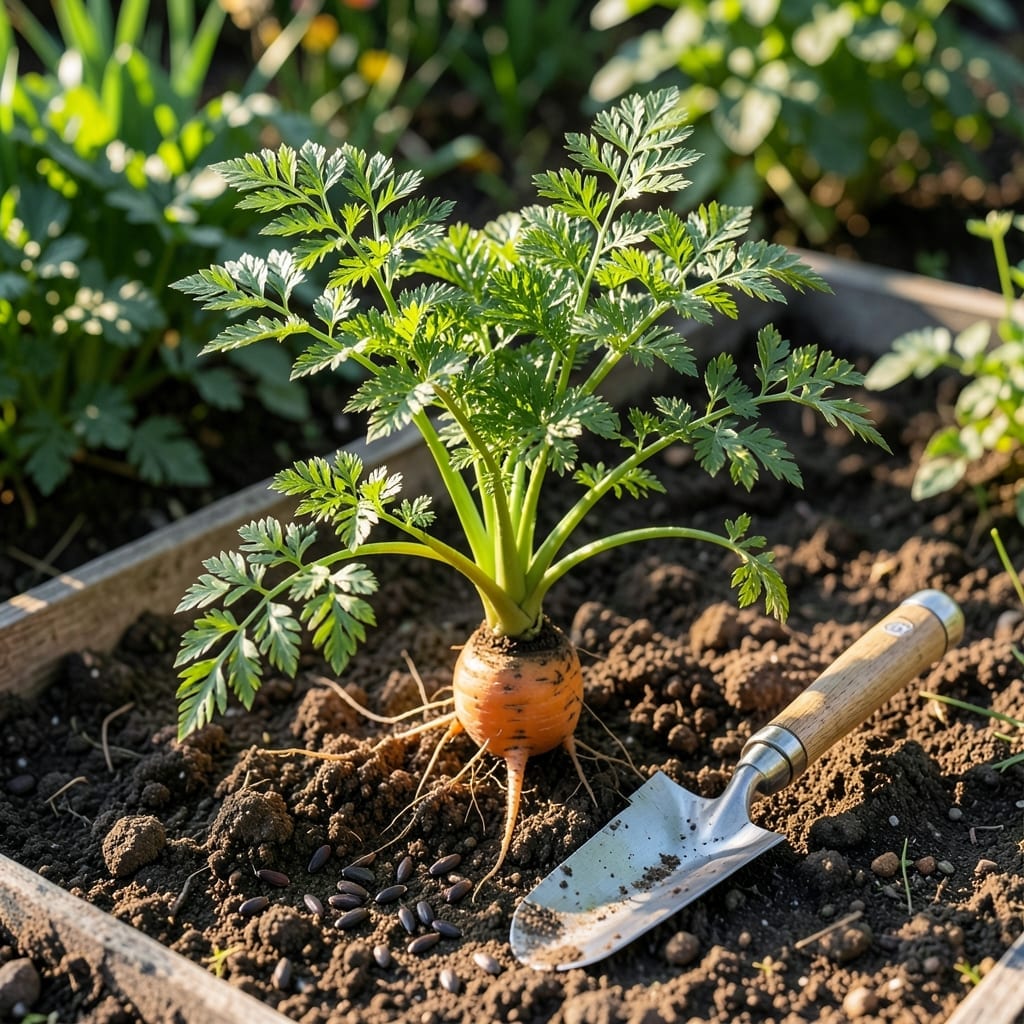
Timing is everything when planting Carrot in zone 6—plant too early and frost may ruin your crop, too late and summer heat can stunt growth. The 🥕 difference between a bountiful harvest and a disappointing one often comes down to a few weeks.
I’ve learned through trial and error that spring planting needs to happen between March and April. This window gives your seeds the best chance to establish before the summer heat arrives.
For fall harvests, August through September works wonders. The cooler temperatures as the season changes help produce sweeter, more flavorful roots.
Discover how to hit these windows perfectly and you’ll be pulling up crisp, delicious Carrot all season long. Let’s dig into the details that make the difference.
In USDA Zone 6, timing your carrot planting is crucial for a successful harvest. The spring window opens 2-4 weeks before the last frost, which is typically around April 15 for this zone.
For fall planting, aim to sow seeds 10-12 weeks before the first frost, usually by mid-August. This gives carrots enough time to mature before cold weather sets in.
| Season | Planting Window | Soil Temp | Harvest Time |
|---|---|---|---|
| Spring | March-April | 45-85°F | June-July |
| Fall | August-Sept | 45-85°F | Oct-Nov |
I always check soil temperature before planting. Carrots need 45-85°F to germinate properly. Use a soil thermometer to confirm conditions are right.
The spring crop benefits from cooler weather, which prevents bolt resistance. For fall planting, I add a light row cover to protect from early frosts.
Choose fast-maturing varieties like ‘Nantes’ or ‘Danvers’ for fall planting. These reach harvest size in 60-70 days, fitting well in Zone 6’s shorter fall season.
For spring planting, I prefer ‘Chantenay’ or ‘Imperator’ varieties. These handle the transition to warmer weather better and produce longer roots.
Remember that carrots dislike transplanting. Always direct sow seeds in loose, well-draining soil to prevent forking and ensure straight roots.
I find that raising beds warm up faster in spring, giving carrots a head start. In fall, mulching helps retain moisture and warmth as temperatures drop.
Consistent moisture is key for germination. I keep the soil evenly damp but not waterlogged during the first 2-3 weeks after planting.
Zone 6’s 180-day growing season allows for two carrot crops. With proper timing and care, you can enjoy fresh carrots from early summer through late fall 🌱
For the best carrot harvest in Zone 6, I focus on four critical factors. Soil temperature must stay between 45-85°F for germination. Anything colder delays sprouting, while heat can cause bitter roots.
Last frost date is another key milestone. In Zone 6, it’s typically around April 15, so I count backward from this date for spring planting.
Daylight hours also play a role. Carrots need 10-12 hours of light daily. In Zone 6, this is easily achieved during spring and early fall.
I always select varieties suited to my planting window. For spring, I prefer ‘Imperator’ or ‘Chantenay’. For fall, ‘Nantes’ or ‘Danvers’ mature faster before frost.
Soil preparation can’t be overlooked. I loosen the soil to 12 inches deep and remove rocks to prevent misshapen roots. Well-draining soil is a must.
I also monitor moisture levels closely. Carrot seeds need consistent moisture to germinate, but overwatering can cause rot. A light mulch helps retain moisture without suffocating seeds.
By tracking these factors, I ensure my carrots have the best start. With proper timing and care, you’ll enjoy sweet, crisp carrots all season long 🌱