
Beautiful Plants For Your Interior
Beautiful Plants For Your Interior
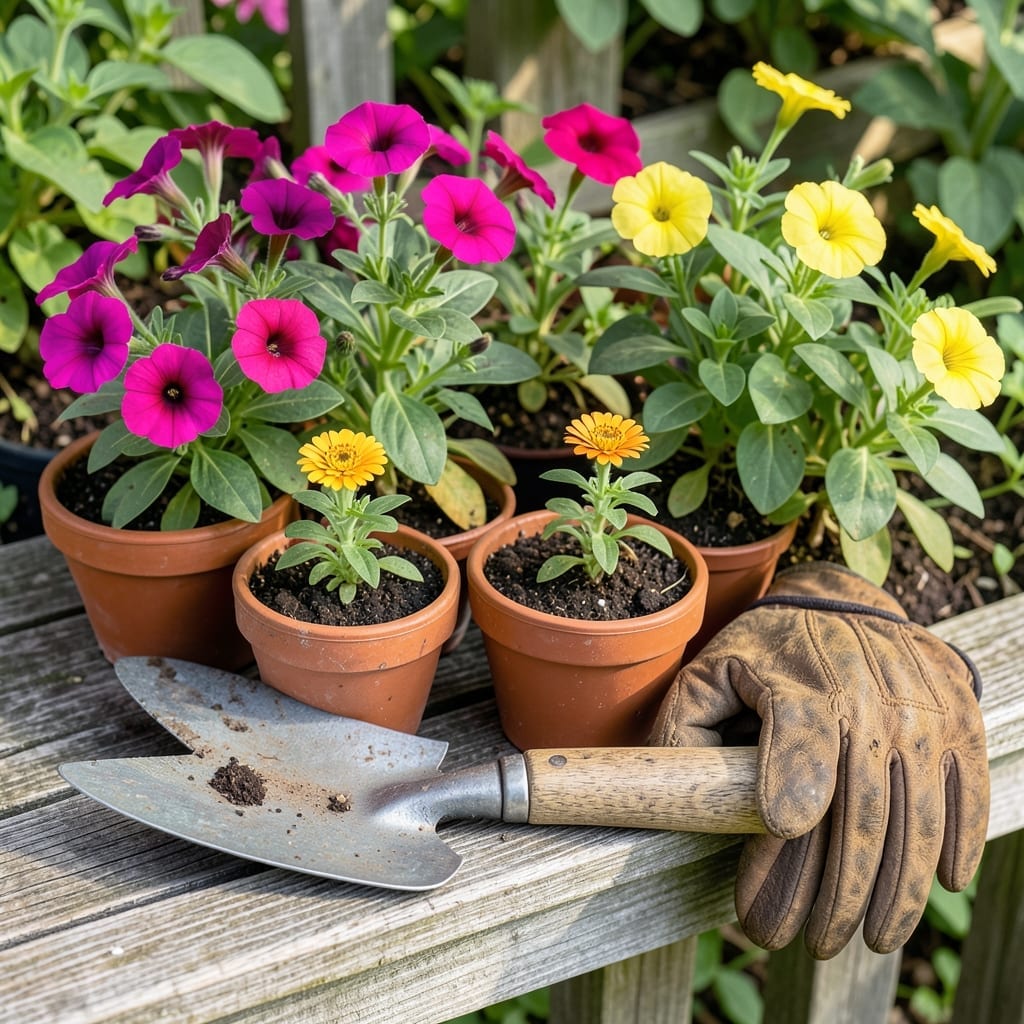
Timing is everything when planting 🌼 Annuals in Zone 7—plant too early, and a late frost could wipe out your garden. Plant too late, and you’ll miss the full growing season.
Here’s how to nail the perfect window for vibrant, healthy blooms all season long. The key is understanding your region’s frost dates and soil conditions.
I’ll walk you through the exact timing and strategies to ensure your Annuals thrive. Whether you’re a beginner or seasoned gardener, this guide will help you get it right.
Discover the best practices to protect your plants and maximize their potential. Let’s make this your most successful planting season yet.
In USDA Zone 7, the last spring frost typically falls around April 15, but this can shift by a week or two depending on your microclimate. I always wait until soil temperatures reach at least 60°F before planting warm-season annuals like marigolds or zinnias. Cool-season annuals, such as pansies and snapdragons, can go in earlier. ☀️
For the safest results, I check both the air temperature and the soil temperature with a simple thermometer. If a late frost is forecasted, I hold off or use row covers to protect tender plants. This approach ensures my garden thrives without the risk of cold damage. 🌱
| Requirement | Specification |
| Last Frost Date | April 15 |
| First Frost Date | October 15 |
| Frost-Free Days | 180 days |
| Soil Temp for Annuals | 60°F minimum |
| Ideal Planting Months | April, May |
I’ve found that regional variations within Zone 7 can be significant. For example, areas near the coast may experience a later last frost, while inland regions could see frost earlier. Always check your local weather forecasts and microclimate conditions. ✂️
For warm-season annuals like petunias and impatiens, I wait until late April or early May to plant. This ensures the soil is warm enough to support root development and prevent cold shock. If I’m eager to start earlier, I use black plastic mulch to help warm the soil faster.
Cool-season annuals, on the other hand, can be planted as early as late March. Varieties like calendula and sweet peas tolerate cooler temperatures and even a light frost. This allows for an extended blooming season before the heat of summer sets in.
I also pay close attention to the 10-day weather forecast before planting. If there’s any chance of a cold snap, I delay planting or use frost cloth to cover my plants. This extra precaution can save a lot of heartache and lost plants.
Another useful tool is a soil thermometer. I insert it about 4 inches deep to get an accurate reading. If the temperature is consistently above 60°F, it’s safe to plant most annuals. For heat-loving plants like coleus, I aim for 70°F or higher.
In my experience, container gardening offers more flexibility. I can start plants indoors or in a greenhouse and move them outside once the weather is favorable. This method also allows me to extend the growing season well into the fall.
Finally, I keep a gardening journal to track my planting dates and the success of different annuals. This helps me refine my approach each year and make the most of Zone 7’s growing season. 🌿
In Zone 7, I’ve found that selecting the right annual flowers for each season makes all the difference. Warm-season annuals thrive in the heat, while cool-season annuals prefer milder temperatures. Knowing which to plant when ensures a colorful garden year-round. 🌼
For the best results, I focus on varieties that are well-suited to our climate and soil conditions. This approach helps me maximize blooms and minimize maintenance. I always start with a mix of both types to keep my garden vibrant from spring to fall.
I always plant marigolds and zinnias in late April or early May when the soil has warmed. These heat-loving annuals need full sun and well-draining soil to thrive. They’re perfect for adding a pop of color to borders and containers. ☀️
Pansies and snapdragons are my go-to for cool-season planting. I plant them in early spring or fall for blooms that last until the heat of summer or the first frost. They’re great for adding early or late-season color to my garden.
For shady spots, I love impatiens and begonias. These annuals do well in partial shade and add vibrant colors to areas where other plants struggle. I plant them in May after the danger of frost has passed. 🌿
I also experiment with less common annuals like cosmos and cleome. These are easy to grow from seed and attract pollinators like bees and butterflies. I sow them directly in the garden in late spring for a low-maintenance, high-impact display.