
Beautiful Plants For Your Interior
Beautiful Plants For Your Interior
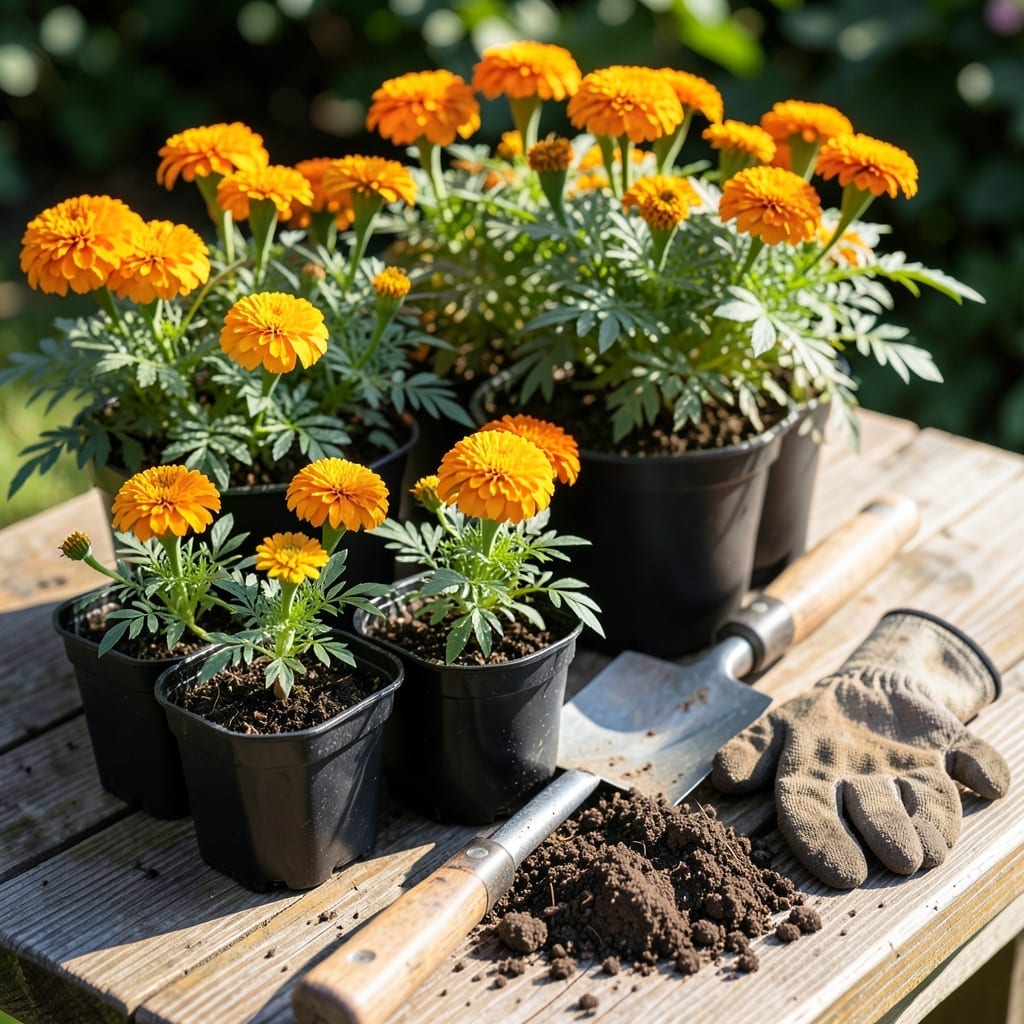
Timing is everything when planting Annuals in Zone 6, where unpredictable frosts can make or break your garden. I’ve seen too many gardeners jump the gun, only to watch their efforts wither in a late cold snap.
Spring planting windows for 🌸 Annuals typically open after the last frost, but there’s more to it than just dates. Soil temperature and plant hardiness play key roles in success.
Whether you’re aiming for vibrant summer blooms or a fall burst of color, knowing the exact timing ensures healthy growth. I’ll walk you through the most reliable windows for both seasons.
Discover how to align your planting schedule with Zone 6’s unique climate for thriving Annuals every time.
In USDA Zone 6, the key to successful annual planting is timing it right around the last frost date. I’ve found that mid-April is usually safe for warm-season annuals, but cool-season varieties can go in earlier.
For spring planting, wait until soil temps hit at least 60°F. This is when marigolds, zinnias, and petunias thrive after the last frost, typically around April 15. ☀️
| Season | Planting Window | Key Annuals |
|---|---|---|
| Early Spring | March 15 – April 1 | Pansies, Snapdragons |
| Spring | April 15 – May 1 | Marigolds, Zinnias, Petunias |
| Fall | September 1 – October 1 | Kale, Ornaments, Mums |
For fall planting, I aim for early September to give cool-season annuals like pansies and snapdragons time to establish before the first frost around October 15.
Warm-season annuals like impatiens or coleus need consistent warmth and should only be planted after all frost danger has passed. I always check the 10-day forecast first.
Soil temperature is just as important as air temperature. I use a soil thermometer to confirm it’s at least 55°F for cool-season annuals and 60-65°F for warm-season varieties.
In my experience, mulching after planting helps maintain soil moisture and temperature. A 2-inch layer of organic mulch works wonders for new annuals.
Don’t forget about container annuals! They can be started indoors 4-6 weeks before the last frost and moved outside when temperatures stabilize.
If you’re planting from seed, start them indoors 6-8 weeks before the last frost date. This gives them a head start for when they’re transplanted into the garden.
For direct sowing, wait until the soil is warm enough. I’ve had great success with sunflowers and cosmos planted directly in late April or early May.
Always harden off your seedlings before transplanting. I gradually expose them to outdoor conditions over 7-10 days to prevent shock. 🌱
In Zone 6, timing your annuals right means vibrant blooms all season. I’ve found marigolds and zinnias thrive when planted after the last frost, usually mid-April.
Cool-season annuals like pansies and snapdragons can go in earlier, around late March, as they tolerate lighter frosts. Always check your local frost dates for precision.
| Annual Type | Planting Time | Frost Tolerance |
|---|---|---|
| Marigolds | Mid-April | Low |
| Zinnias | Mid-April | Low |
| Pansies | Late March | High |
| Snapdragons | Late March | High |
For warm-season annuals, wait until soil temps hit at least 60°F. I use a soil thermometer to be sure. Petunias and impatiens love this warmth.
Fall planting is trickier. Start 6-8 weeks before the first frost, around late August. This gives roots time to establish before cold sets in.
I always harden off seedlings before transplanting. A week of gradual exposure to outdoor conditions prevents shock and ensures stronger plants.
Finally, mulch your annuals to retain moisture and suppress weeds. It’s a simple step that makes a huge difference in Zone 6’s variable climate.
With these timing tips, your Zone 6 annuals will flourish from spring to fall 🌸