
Beautiful Plants For Your Interior
Beautiful Plants For Your Interior
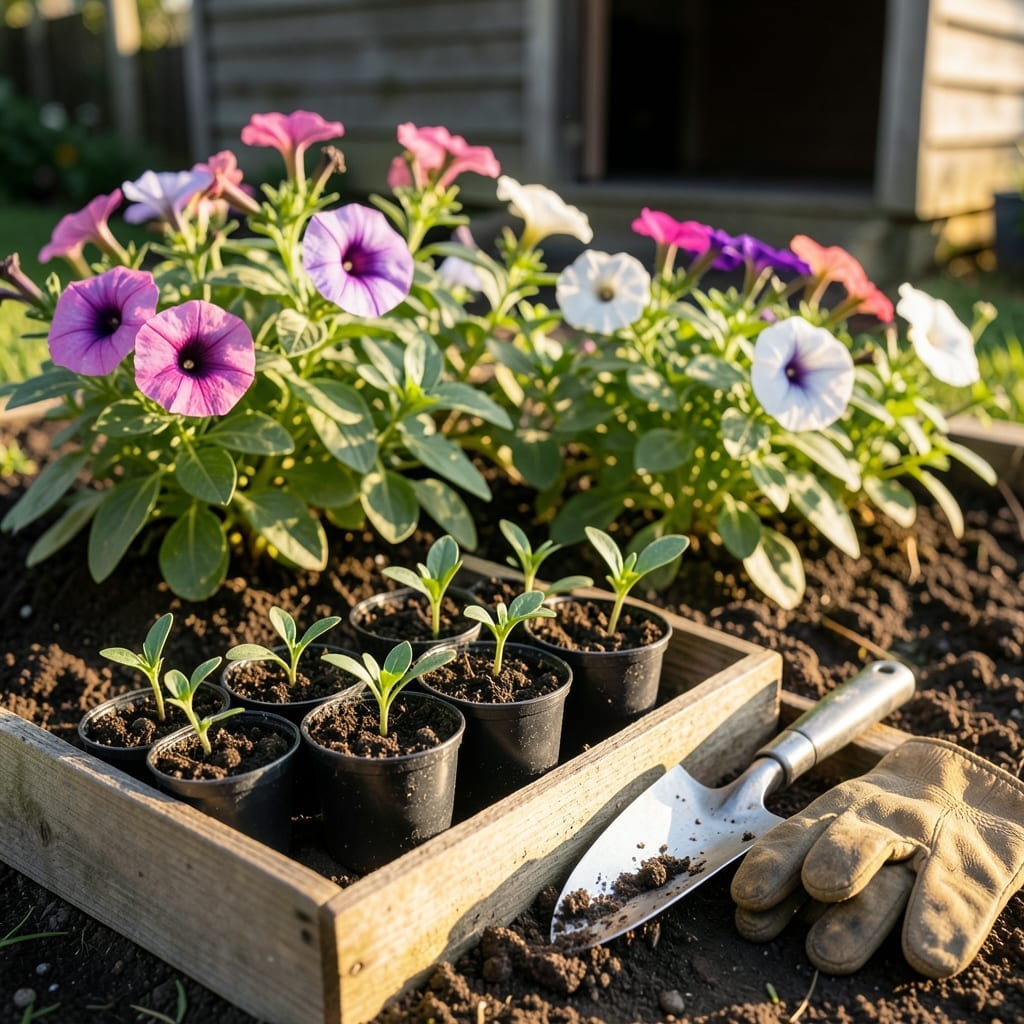
Timing is everything when planting 🌸 Annuals in Zone 5—plant too early and frost can wipe out your tender seedlings.
Wait too long and you’ll miss the peak growing season. This guide reveals the exact windows to ensure vibrant blooms and healthy growth.
I’ve tested these timing strategies in my own garden, and the difference between hitting the sweet spot and missing it is night and day.
Discover how to align your planting with Zone 5’s unique climate for a thriving 🌸 Annuals display all season long.
In Zone 5, the last frost date typically falls around April 15, but this can shift by a week or two depending on your exact location. I always recommend checking local weather patterns, as urban areas may warm faster than rural spots.
The soil temperature is just as critical as air temperature. Most annual flowers and vegetables need soil to reach at least 60°F before planting. A simple soil thermometer can save you from costly mistakes.
| Plant Type | Safe Planting Window | Soil Temp Requirement |
|---|---|---|
| Cold-Tolerant Annuals | Early April | 50°F+ |
| Tender Annuals | Mid to Late May | 60°F+ |
| Heat-Loving Annuals | Late May to Early June | 65°F+ |
For early spring planting, I focus on cool-season annuals like pansies and snapdragons. These can handle light frosts and even thrive in cooler soil, giving your garden a head start.
Mid-spring is when I plant most of my annuals. By late April, the risk of hard frost has usually passed, but I still keep an eye on the forecast. Petunias and marigolds do well during this window if the soil has warmed sufficiently.
I reserve late spring for heat-loving varieties like zinnias and basil. These plants prefer warmer soil and air temperatures, so waiting until after May 15 ensures they won’t be stunted by a late cold snap.
If you’re eager to start earlier, consider using row covers or cold frames. These tools can protect young plants from unexpected frosts and allow you to plant a few weeks ahead of schedule.
Don’t forget about succession planting. By planting a new batch of annuals every 2-3 weeks, you can enjoy continuous blooms throughout the season. This works especially well with fast-growing varieties like nasturtiums.
Remember, microclimates matter. A south-facing wall or a sheltered garden spot can create a slightly warmer environment, allowing you to plant a bit earlier than the general guidelines suggest.
Finally, always have a frost protection plan ready. Keep old sheets, frost blankets, or even cardboard boxes on hand to cover plants if an unexpected cold night is forecasted. It’s a simple step that can save your garden.
With these timings and tips, your Zone 5 annuals will thrive from spring through fall ☀️🌱
In Zone 5, selecting the right annuals for each season ensures a vibrant garden from spring to fall. I always start with cold-hardy varieties in early spring, then transition to heat-lovers as temperatures rise.
Early spring is perfect for pansies, snapdragons, and sweet alyssum, which tolerate light frosts and cooler soil. These plants can go in the ground as soon as it’s workable, often in late March or early April.
By mid-spring, I switch to petunias, marigolds, and lobelia. These thrive once the soil warms to 60°F and the risk of hard frost has passed. They’re great for adding color to borders and containers.
Late spring is when I plant heat-loving annuals like zinnias, cosmos, and basil. These need soil temperatures of at least 65°F and should be planted after May 15 to avoid cold damage.
For summer, I love vinca, portulaca, and sunflowers. These plants handle the heat beautifully and keep blooming through the hottest months. Vinca is especially drought-tolerant, making it ideal for dry spells.
Don’t forget about succession planting with fast growers like nasturtiums and bush beans. Planting new batches every few weeks ensures a continuous display of color and harvests throughout the season.
With these seasonal picks, your Zone 5 garden will stay colorful and productive all year long 🌷🌱