
Beautiful Plants For Your Interior
Beautiful Plants For Your Interior
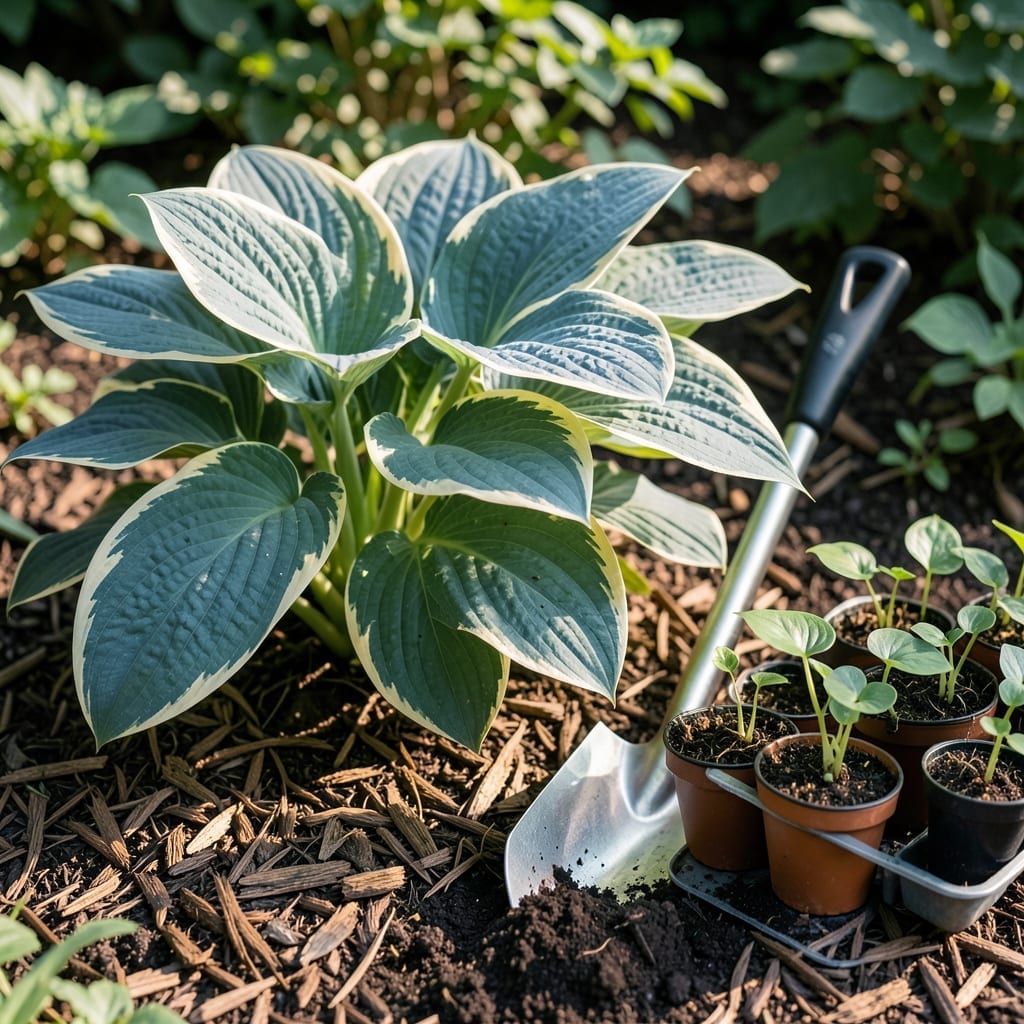
Hostas are beloved for their lush foliage and shade tolerance, but planting them at the wrong time can stunt their growth or even kill them.
Discover the ideal seasons to plant 🌿 Hosta for thriving, vibrant gardens year after year. Timing is everything when it comes to these hardy perennials.
I’ll share the best windows for planting in zones 3-9, plus tips to ensure your hostas establish strong roots and flourish. Let’s get started.
Timing is everything when planting hostas. These shade-loving perennials thrive when planted during cool, moist conditions. I’ve found early spring and early fall offer the best success rates.
In spring, aim for March-April after the last frost when soil is workable. This gives roots time to establish before summer heat. Fall planting in September-October works too, as long as it’s 4-6 weeks before first frost.
| Season | Months | Conditions |
|---|---|---|
| Early Spring | March-April | Soil workable, after last frost |
| Early Fall | September-October | 4-6 weeks before first frost |
| Good Alternative | February, May | Mild climates only |
For USDA zones 3-9, these windows ensure strong root development. Hostas planted in spring often show faster initial growth, while fall plantings establish roots for next year’s bloom.
I always check my local frost dates to fine-tune timing. In colder zones, wait until soil reaches at least 40°F. Warmer climates can push spring planting earlier, but avoid summer’s heat stress.
The soil temperature matters more than air temps. Use a soil thermometer to confirm it’s consistently above 40°F. This simple step prevents root shock and promotes faster establishment.
In fall, the key is giving roots enough time to grow before winter. I stop planting hostas by mid-October in zone 5 to ensure they’re settled before the ground freezes.
For container-grown hostas, the rules are slightly more flexible. These can be planted anytime during growing season if you’re diligent with watering and shade protection.
Remember that newly planted hostas need consistent moisture. I water deeply 2-3 times weekly for the first month, then taper off as the plant establishes. This is especially crucial for fall plantings going into winter.
Finally, always mulch after planting with 2-3 inches of organic matter. This keeps soil moist and insulated, whether you’re planting in spring or fall 🌿
While spring and fall are ideal, I know gardeners sometimes need to plant hostas in summer or winter. It’s possible, but comes with extra challenges that require careful planning.
In summer, the main issue is heat stress. Hostas planted during hot months struggle with drought and transplant shock. I’ve seen many wilt within days without proper care.
⚠️ Summer & Winter Planting Risks
Avoid planting hostas in peak summer heat or frozen winter ground. If unavoidable, provide extra shade and frequent watering in summer, or mulch heavily in winter.
If you must plant in summer, choose a cloudy day and water daily for the first week. I recommend early morning planting to reduce stress. Container hostas adapt better than bare-root in summer.
For winter planting, the risk is frost heave. Roots can’t establish in frozen soil, and plants may push out of the ground. I only attempt this in mild climates with thick mulch protection.
A better approach is prepping the area in winter for spring planting. I’ll mark my hosta spots and add compost in late winter. This gives the soil time to settle before planting season arrives.
Remember that off-season planting often requires extra monitoring. Check soil moisture daily in summer and ensure proper drainage to prevent rot in winter. It’s doable, but not ideal. 🌿