
Beautiful Plants For Your Interior
Beautiful Plants For Your Interior
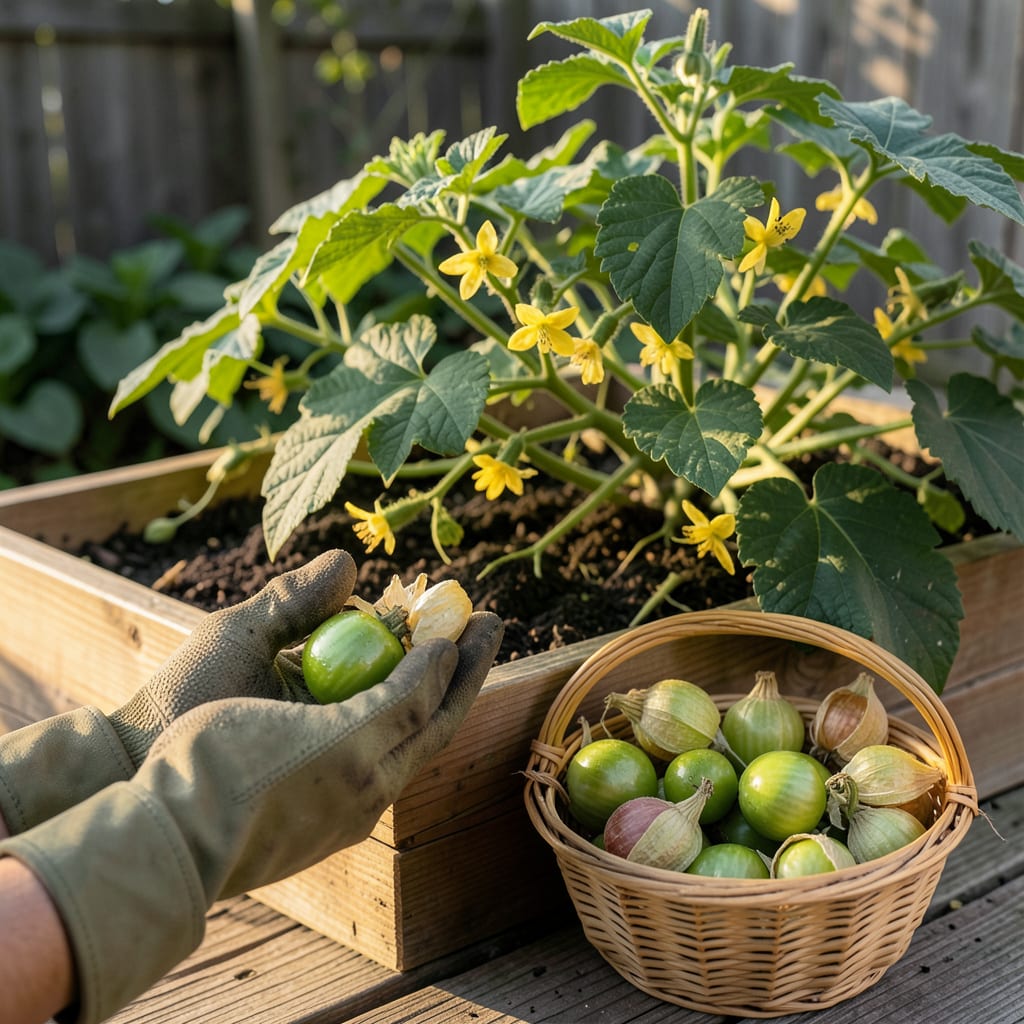
That moment when your 🟢 tomatillos are finally ready to pick—only to realize you’re not entirely sure when that magic moment actually arrives. One day too early, and you’re left with tart, underwhelming flavor. Wait too long? You might end up with mushy, overripe disappointment.
Here’s the good news: your tomatillos will tell you exactly when they’re at peak ripeness—if you know what to look for. From husk clues to the perfect squeeze test, I’ll walk you through the foolproof signs so you never second-guess your harvest again.


Nothing beats the satisfaction of harvesting perfectly ripe tomatillos—but timing is everything. These paper-lantern-wrapped fruits don’t ripen like tomatoes, so you’ll need to rely on visual and tactile clues instead of color alone. I’ve learned the hard way that waiting for them to turn yellow means you’ve missed the sweet spot.
The key is checking daily once your plants hit the 60-day mark. Tomatillos mature quickly, and a fruit that’s ready today might be overripe in just 2–3 days. Let’s dive into the five foolproof signs I use to guarantee a harvest at peak flavor and texture every time. 🌱
*Bonus: If birds or squirrels start nibbling, it’s a sure sign your tomatillos are ripe! 🐦
One of the biggest mistakes I see is gardeners waiting for the husk to turn completely brown. By then, the fruit inside is often overripe and mushy. Instead, focus on the split husk and fruit size. If the husk is still tightly closed, the tomatillo needs more time—even if it’s been 80 days since planting.
Here’s a quick trick: Shake the plant gently. Ripe tomatillos will drop easily into your hand when the husk is split. If they cling tightly, they’re not ready. I like to harvest in the early morning when the fruits are plumpest. Avoid picking after heavy rain—waterlogged tomatillos can split or spoil faster.
If you’re growing Purple or Milpero varieties, watch for their unique cues. Purple tomatillos develop a deep violet blush when ripe, while Milpero types stay smaller and turn pale yellow-green. These varieties often ripen 5–10 days earlier than classic Verde tomatillos, so start checking them sooner.
Still unsure? Perform the float test: Place a tomatillo in water. If it sinks, it’s dense and unripe. If it floats, it’s ready! This works because ripe tomatillos develop air pockets inside. Just be sure to dry them thoroughly afterward to prevent mold. 💧
Remember, tomatillos continue to ripen slightly off the vine, but they won’t sweeten much. If you must pick early (say, before a frost), store them in a paper bag at room temperature for 2–3 days to mature. Avoid refrigerating unripe tomatillos—cold stops the ripening process dead in its tracks.
Finally, don’t stress if a few tomatillos ripen unevenly. It’s normal! Focus on harvesting the ready ones and leave the rest to mature. With practice, you’ll develop an eye for that perfect moment—when the husk splits just enough to reveal a plump, sticky, bright green treasure inside. Happy picking! 🪴
Not all tomatillos ripen on the same schedule—variety matters when timing your harvest. While most reach maturity in 60–85 days, some varieties like Purple tomatillos develop faster than classic Verde types. Climate plays a role too: cooler zones may delay ripening by a week or more.
I’ve found that tracking days-to-maturity on seed packets is helpful, but nothing beats watching for variety-specific cues. For example, Milpero tomatillos stay smaller and turn yellow-green earlier than others. Let’s break down the key differences so you can plan your harvest like a pro.
| Variety | Days to Maturity | Ideal Size | Ripeness Cue |
|---|---|---|---|
| Verde | 70–80 days | 1.5–2 inches | Husk splits, bright green |
| Purple | 65–75 days | 1–1.5 inches | Deep purple blush |
| Milpero | 60–70 days | 1 inch | Pale yellow-green |
| Toma Verde | 75–85 days | 2 inches | Husk fully open |
*Note: Warmer climates may shorten maturity by 5–10 days. 🌡️
If you’re growing Purple tomatillos, watch for their signature deep purple hue peeking through the husk—this variety ripens slightly faster but can turn bitter if left too long. Milpero types, popular in Mexican cuisine, are ready sooner but stay smaller, so don’t wait for them to bulk up like Verde varieties.
For Toma Verde, the largest of the bunch, patience pays off. These often need the full 85 days to reach their 2-inch size, and their husks will fully split open when ready. In my garden, I mark the planting date on my calendar and start checking daily once I hit the 60-day mark.
Pro tip: If your tomatillos are taking longer than expected, check your sunlight exposure. These plants crave 6+ hours of direct sun daily. Shady spots can delay ripening by weeks. Also, consistent watering prevents stress, which can stall fruit development. Aim for 1–2 inches of water weekly, tapering off as harvest nears.
Still unsure? Perform the squeeze test: Gently press the fruit through the husk. A ripe tomatillo should feel firm but yield slightly, like a ripe grape. If it’s rock-hard, give it a few more days. If it’s soft, harvest immediately—overripe tomatillos turn mushy fast in warm weather. 🌱
Timing your tomatillo harvest isn’t just about patience—it’s about flavor and texture. Pick too soon, and you’ll end up with bitter, hard fruits that lack the signature tangy sweetness. Wait too long? Your tomatillos turn mushy, with fermented notes that overpower dishes. I’ve ruined batches both ways, so let me save you the trial and error.
Underripe tomatillos are the most common mistake I see. They’re smaller than 1 inch, rock-hard to the touch, and lack the sticky residue that signals ripeness. Their flavor is sharp and grassy, almost unpleasant raw. Even when cooked, they stay tough and bitter, requiring extra time to soften. If you must harvest early, try roasting them to mellow the bitterness.
*Tip: Overripe tomatillos work well in fermented sauces—their bold flavor shines! 🌱
Overripe tomatillos have their own issues. The fruit becomes soft and mealy, with seeds that dominate the flesh. Their flavor shifts from bright and citrusy to overly funky, almost like overripe cheese. The husk turns completely brown and papery, and the fruit inside may start yellowing at the stem. These are still usable but best for cooked applications.
Here’s how I salvage less-than-perfect picks: For underripe tomatillos, I roast them at 400°F for 20–25 minutes to soften their texture and caramelize their sugars. Add a pinch of salt to balance the bitterness. Overripe ones? I blend them into fermented hot sauces where their bold flavor can develop complexity over time. Never waste a tomatillo—just adjust your approach!
The goldilocks zone for tomatillos is when they’re firm but yield slightly to pressure, with a bright green color and that telltale sticky coating. This is when their flavor is perfectly balanced—tangy but sweet, with just enough acidity to make your salsa verde sing. Trust me, your taste buds will thank you for waiting those extra days. 🪴
Check for a split husk that naturally curls back. The fruit inside should feel firm but slightly yielding when gently pressed through the husk. If the husk is still tightly closed, it needs more time.
Aim for 1–2 inches in diameter—about the size of a golf ball. If the fruit is smaller than 1 inch, it’s underripe. Larger than 2 inches may indicate overripeness.
Yes, but store them in a paper bag at room temperature for 2–3 days to ripen further. Avoid refrigerating unripe tomatillos, as cold stops the ripening process.
Yellowing usually means they’re overripe. Ideal tomatillos are bright green with a sticky coating. However, some varieties (like Purple) develop unique hues—check your seed packet for specifics.
Harvest in the early morning when fruits are plumpest. Avoid picking after heavy rain, as waterlogged tomatillos can spoil faster. A gentle shake of the plant will release ripe ones.
