
Beautiful Plants For Your Interior
Beautiful Plants For Your Interior
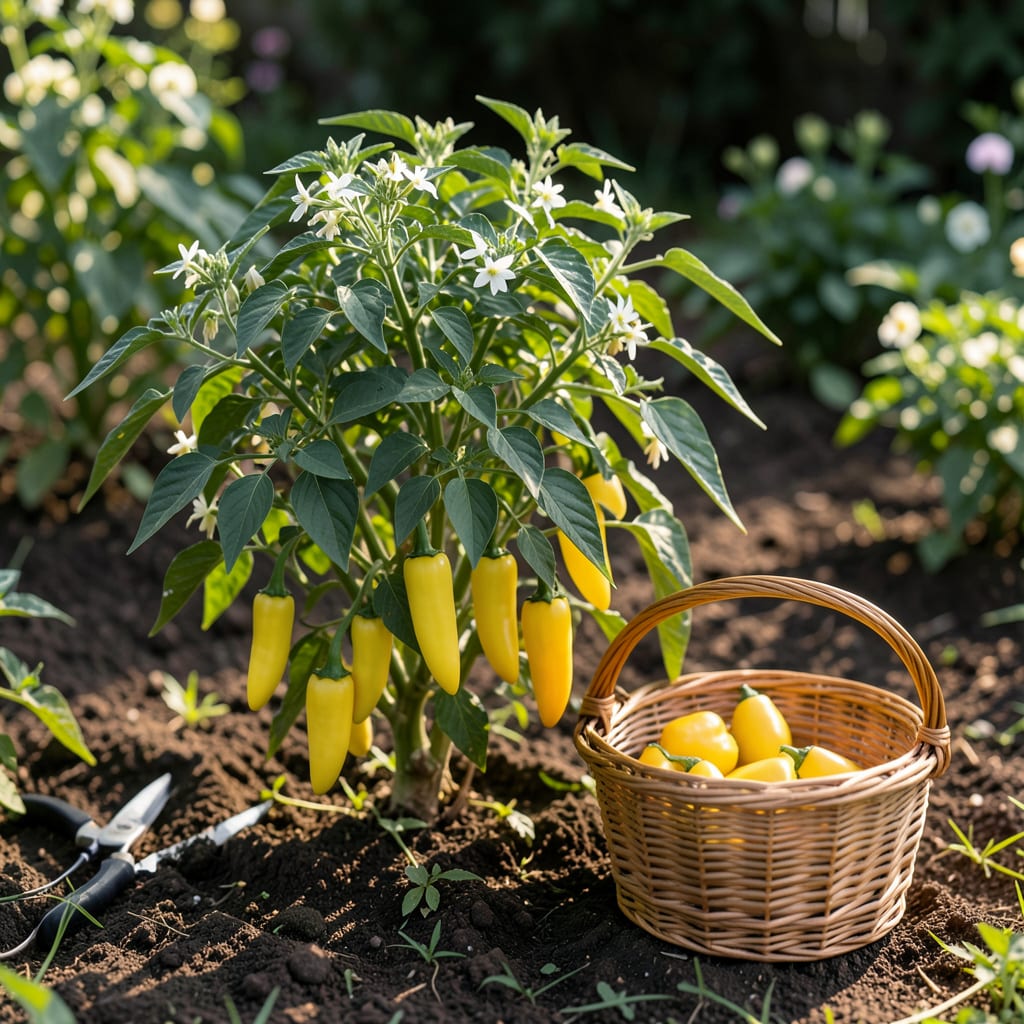
I remember the first time I grew Sweet Banana Pepper 🌶️ plants – watching them transform was like magic. Those slender peppers start green, then burst into vibrant yellow when they’re at their sweetest.
Getting the timing right makes all the difference. You’ll want to look for specific color and size changes that tell you they’re perfectly ripe and ready to enjoy.


I love watching my sweet banana peppers transform as they grow. The most obvious sign they’re ready is the color change from green to a vibrant yellow or even red.
These peppers typically reach 6-8 inches long when fully mature, making size another clear indicator. A glossy, firm skin is the final visual clue that they’re at peak ripeness.
| Ripeness Sign | Details |
|---|---|
| Color | Pale yellow or light green |
| Size | 6-8 inches long |
| Texture | Firm with glossy skin |
| Stem | Thick and green |
The color progression is fascinating. Sweet banana peppers often start deep green, then shift to pale yellow, and may even turn red if left longer on the vine.
I check the stem thickness too—a ripe pepper will have a sturdy, green stem that’s firmly attached. Thin or weak stems usually mean the pepper isn’t ready yet.
Another tip: the skin should be glossy, not dull. A dull appearance often indicates the pepper is either not ripe or overripe and starting to soften.
I’ve found that 60-75 days after transplanting is the sweet spot for harvest. If you planted seeds indoors early, count from the transplant date, not the sowing date.
Don’t forget to check the firmness by gently squeezing. A ripe pepper will feel solid, not soft or spongy under light pressure.
Finally, I always look for consistent color across the entire pepper. Patchy coloring often means it needs a few more days to fully ripen.
✂️I always check my sweet banana peppers for ripeness using simple tests. The firmness test is first: gently squeeze the pepper—it should feel solid, not soft or spongy.
The stem check is equally important. A ripe pepper will have a thick, green stem that’s firmly attached. If it’s thin or breaking, the pepper isn’t ready yet.
If you’re still unsure, try the taste test. Pick one pepper and sample it—ripe banana peppers should taste sweet with no bitterness.
Another reliable method is comparing against the maturity timeline. Most sweet banana peppers reach full ripeness 60-75 days after transplanting.
I find that checking these signs together gives the most accurate result. A pepper that passes all tests is ready for a flavorful harvest.
Remember, harvesting at the right time ensures the best taste and texture. Don’t rush it—patience pays off with the sweetest peppers.
I’ve seen gardeners make costly errors when harvesting sweet banana peppers. The most common is picking too early, which results in a bitter taste and underdeveloped flavor.
Another mistake is waiting too long. Overripe peppers become mushy and lose their crisp texture, which is essential for the best eating experience.
⚠️ Avoid These Harvesting Errors
Picking too early: Leads to bitter, underripe peppers.
Waiting too long: Results in mushy, overripe texture.
Using dull tools: Damages plants and stems.
Using dull tools is another critical error. Always use sharp pruning shears or scissors to avoid crushing the plant stems.
I recommend cutting the pepper stem with a clean, sharp tool about 1/4 inch above the fruit to prevent damage to the plant.
Finally, never pull peppers off by hand. This can uproot the plant or damage the branches, reducing future yields. Always cut carefully.
✂️Look for a shift from green to pale yellow or light green. Full ripeness often shows as bright yellow, but some varieties turn orange or red. The color change is the most obvious sign they’re ready.
Sweet banana peppers are typically ready at 6-8 inches long. Check for a firm texture and glossy skin, which indicate they’ve reached full size and maturity.
Yes, but they’ll be less sweet and may taste bitter. If you must harvest early, choose peppers that are at least 4-5 inches long and firm to the touch.
Overripe peppers become mushy and lose their crisp texture. They may also develop a less desirable flavor, so harvest once they hit the ideal color and size.
