
Beautiful Plants For Your Interior
Beautiful Plants For Your Interior
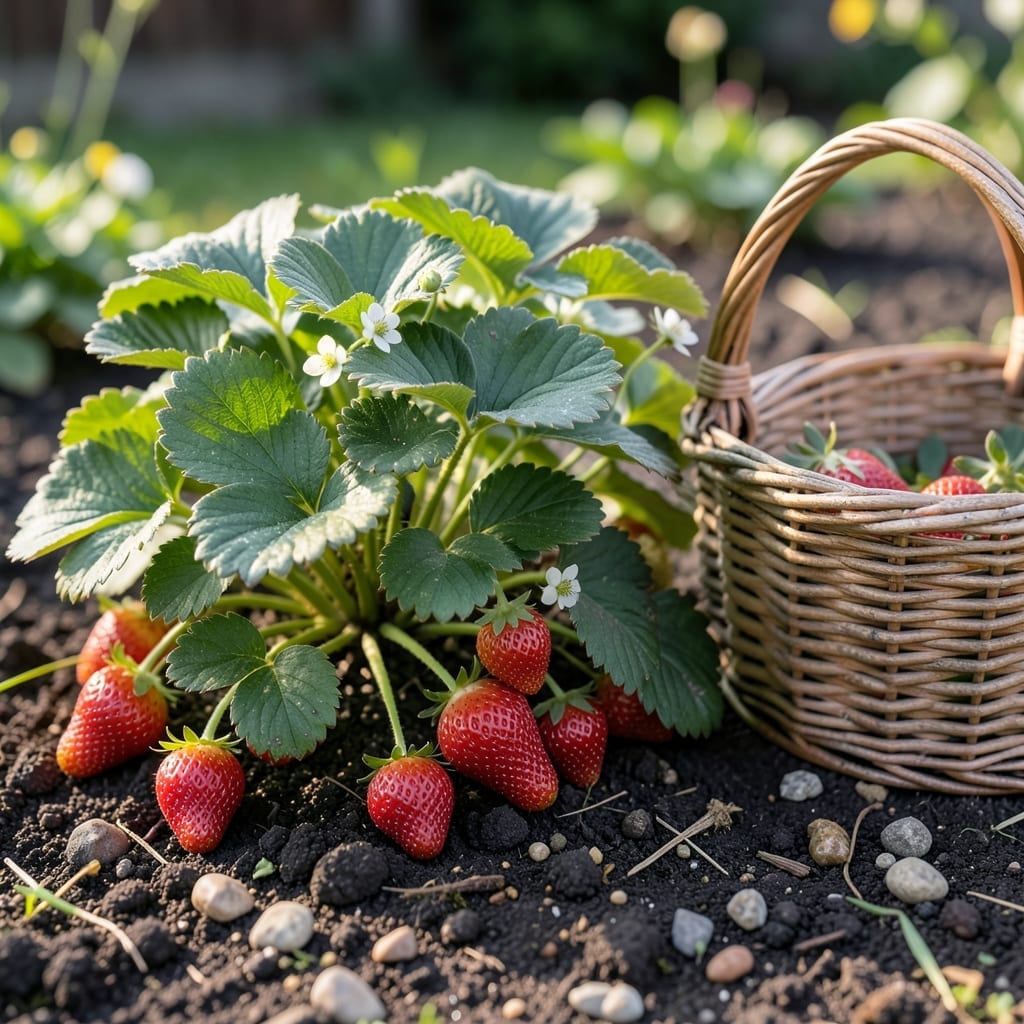
Nothing beats the taste of a perfectly ripe 🍓 strawberry plucked straight from the vine. But timing is everything—picking too early or too late can mean the difference between tart disappointment and burst-of-sweetness bliss.
If you’ve ever wondered why some berries taste sweeter than others, the answer lies in knowing exactly when to harvest. The Strawberry plant rewards patience, and the right moment makes all the difference.
From color cues to texture tests, there are clear signs that tell you your Strawberries are at peak sweetness. I’ll show you what to look for so you never miss that ideal window.
Discover the simple tricks that ensure every bite is as delicious as it should be. Your taste buds will thank you.
I’ve found that strawberry sweetness peaks at different times depending on the variety you’re growing. June-bearing strawberries typically hit their sweetest point in early summer, while everbearing and day-neutral types produce sweet fruit in waves throughout the season.
The ripening window also shifts with your climate zone. In warmer regions, harvest time may start as early as April, while cooler areas see peak sweetness in June or July. Watching for visual cues is key to timing it right.
| Variety | Peak Sweetness | Key Signs |
|---|---|---|
| June-bearing | May–June | Deep red color, easy stem separation |
| Everbearing | June & Fall | Firm texture, sweet aroma |
| Day-neutral | All season | Consistent size, glossy skin |
For June-bearing strawberries, the first major harvest is usually the sweetest. These plants put all their energy into one big flush of fruit, so the early summer berries tend to be the most flavorful.
Everbearing varieties like Albion or Seascape produce two to three harvests per year. The first flush in early summer is often the sweetest, but the fall crop can rival it if the weather stays warm.
Day-neutral strawberries, such as Tristar, keep producing throughout the season. Their sweetness is most consistent when temperatures stay between 60–80°F. Cooler nights can enhance sugar development.
I always check for full red color and a slightly soft texture before picking. If the berry separates easily from the stem with a gentle tug, it’s ready. Morning harvesting is ideal because the berries are cool and firm.
In hotter climates, strawberries may ripen faster, so daily checks are necessary. In cooler areas, the ripening process slows, giving sugars more time to develop. Shade cloth can help in extreme heat to prevent sunburn on the fruit.
Soil health plays a role too. Well-draining soil with plenty of organic matter helps plants produce sweeter berries. I recommend testing your soil pH—strawberries prefer a slightly acidic range of 5.5–6.5.
Finally, watering practices impact flavor. Inconsistent watering can lead to bland or watery berries. I use drip irrigation to keep the soil evenly moist without wetting the leaves, which reduces disease risk.☀️
I always check for deep red color first—this is the most obvious sign your strawberries are ready. But color alone isn’t enough; I look for that glossy sheen that signals peak ripeness and sweetness development.☀️
Next, I use the finger-squeeze test. A perfectly ripe strawberry gives slightly when gently pressed, but it shouldn’t be mushy. This tells me the natural sugars have fully developed inside the fruit.🌱
I never ignore the scent test. A truly ripe strawberry emits a sweet fragrance that you can smell before you even touch it. This aromatic cue is nature’s way of saying the sugar content is at its peak.
The stem separation test is my final check. When a strawberry is ready, it comes off the plant with minimal resistance. If you have to tug hard, it’s not quite there yet. This prevents damage to both the fruit and plant.
I’ve found that morning harvesting yields the sweetest berries. After a cool night, the natural sugars are most concentrated. Plus, the fruits are firmer, making them easier to pick without bruising.✂️
Remember, size doesn’t equal sweetness. I’ve had tiny wild strawberries that were sweeter than their larger cultivated cousins. Focus on these ripeness indicators rather than just the berry’s size for the best flavor experience.