
Beautiful Plants For Your Interior
Beautiful Plants For Your Interior
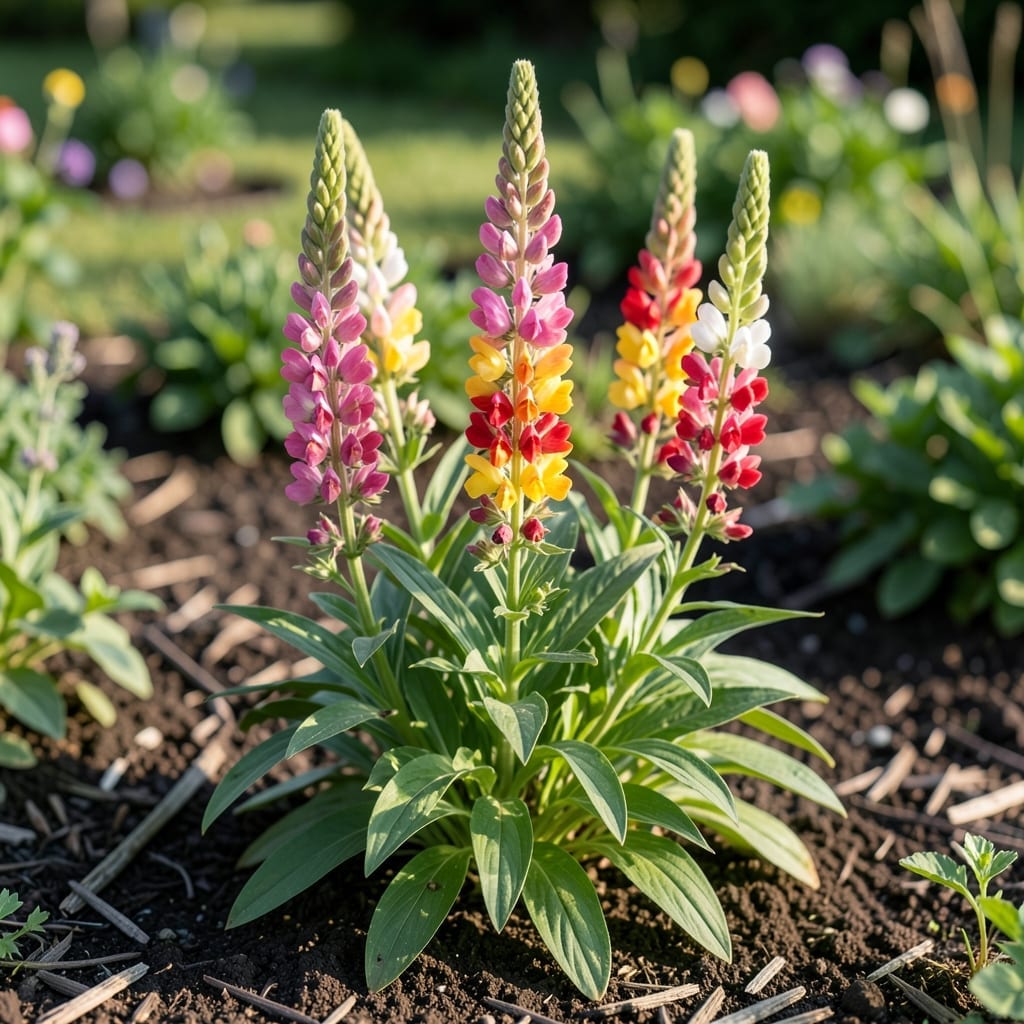
There’s something magical about watching Snapdragon 🌼 spikes burst into color, transforming a garden overnight. But timing is everything with these beauties.
If you’ve ever planted them only to see lackluster blooms, you know the frustration. The truth is their season varies more than you might expect.
In zone 6, you’ll typically see flowers from June through October, but there are ways to stretch that window. I’ll show you how to maximize their vibrant display.
Discover the simple tricks to keep your Snapdragons thriving longer than the average gardener’s. The secret lies in understanding their natural rhythm.
I love how snapdragons can transform a garden with their vibrant blooms and tall spikes. But to get the most out of these beauties, you need to know when they thrive in your area. Their season varies significantly by USDA zone and local climate conditions.
In cooler zones like 3-5, snapdragons are annual flowers that bloom from late spring through early fall. They handle light frost but won’t survive harsh winters. Gardeners in these areas often plant them after the last frost date for best results.
| USDA Zone | Bloom Season | Planting Time |
|---|---|---|
| 3-5 | Late Spring to Early Fall | After last frost |
| 6-7 | Spring to Fall | Early spring or fall |
| 8-9 | Fall to Spring | Late summer for winter blooms |
| 10-11 | Winter to Early Spring | Fall for cool-season color |
For moderate zones like 6-7, snapdragons often bloom from spring through fall. They may even survive mild winters, giving you year-round color with proper care. I’ve seen them flourish in these areas with minimal effort.
In warmer zones 8-9, snapdragons actually prefer the cooler months. They’ll bloom beautifully from fall through spring and often struggle in the heat of summer. Plant them in late summer for winter color.
The hottest zones 10-11 are where snapdragons shine in winter and early spring. They can’t handle intense summer heat, so plant them in fall to enjoy their striking blooms during the cooler months.
Remember that microclimates can affect these patterns. A sheltered spot might let you push the season by a few weeks. I always recommend experimenting to see what works best in your specific garden conditions.
For the longest bloom season, deadhead regularly and keep plants well-watered. In my experience, snapdragons respond beautifully to consistent moisture and good drainage. This simple care can extend their blooming period significantly.
If you’re in a borderline zone, consider using snapdragons as cool-season annuals. Plant them in both spring and fall for continuous color. This strategy works wonders for gardeners who want to maximize their snapdragon enjoyment.
No matter your zone, these versatile flowers can add height and color to your garden. With the right timing and care, you can enjoy their unique blooms for much of the year. I find they’re particularly stunning in cut flower arrangements too 🌼
I love how snapdragons can keep blooming for months with the right care. In my garden, I’ve found that deadheading spent flowers is the fastest way to encourage new growth and more blooms. 🌼
Another trick I use is succession planting every 2-3 weeks in spring. This ensures a continuous display of colorful spikes as older plants fade. It works especially well in mild climates where summer heat doesn’t slow them down.
I always make sure my snapdragons get full sun for at least 6 hours daily, but in scorching summers, I move potted varieties to partial shade to prevent wilting. This small adjustment can add weeks to their blooming period.
Proper watering is key too. I water mine in the early morning to allow foliage to dry before evening, which helps prevent fungal diseases that can cut their season short. Always aim for consistent moisture without waterlogging.
For those in cooler zones, starting seeds indoors 6-8 weeks before the last frost gives snapdragons a head start. I’ve had success with this method in Zone 5, getting blooms as early as late spring.
Finally, don’t forget to mulch around your plants. A 2-inch layer of organic mulch helps retain moisture and keeps roots cool, especially during summer heatwaves. This simple step can make a big difference in extending their vibrancy. ☀️