
Beautiful Plants For Your Interior
Beautiful Plants For Your Interior
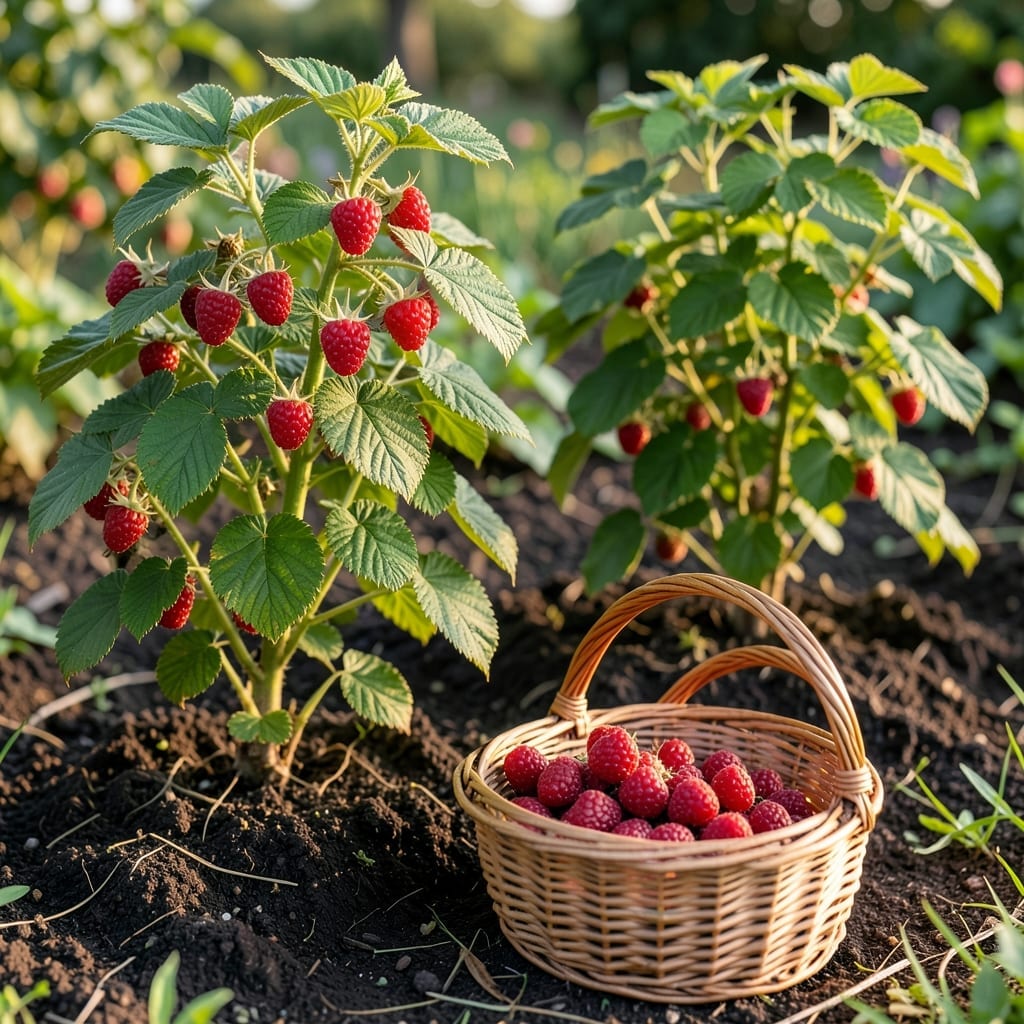
Picking Raspberry at the peak of ripeness ensures the sweetest, juiciest flavor, but knowing the exact moment can be tricky for even seasoned gardeners.
I remember my first attempt at harvesting—plucking 🍇 too early and ending up with tart, underripe berries. The difference between perfect and disappointing is often just a day or two.
For most varieties in zone 6a, the magic window typically falls between July and August. But color isn’t the only clue—texture and ease of picking matter just as much.
Let me share the simple signs I now look for every spring planting season. These tips will help you harvest at just the right time, every time.


I’ve found that raspberry ripeness is all about color consistency and ease of picking. A perfectly ripe berry will have a deep, uniform hue, whether it’s the classic red, rich black, or golden yellow, depending on the variety.
Another key sign is texture: ripe raspberries should feel firm but slightly soft when gently pressed. If they’re hard, they’re not ready, and if they’re mushy, you’ve waited too long.
🌱 Raspberry Ripeness Signs by Variety
| Variety | Ripe Color | Texture |
| Red Raspberry | Deep red | Firm, slightly soft |
| Black Raspberry | Glossy black | Plump, tender |
| Golden Raspberry | Rich yellow | Soft, juicy |
The easiest test is the gentle tug. A ripe raspberry will pull away easily from the plant with a light touch, leaving the white core behind. If it resists, it’s not ready.
For black raspberries, look for a shiny, deep black color. They’ll also have a slightly duller finish than unripe berries, which often appear more matte.
Golden raspberries can be tricky because their color doesn’t change as dramatically. Instead, focus on texture and aroma. A sweet, fragrant scent is a sure sign they’re ready to pick.
I always check the berry’s underside too. If it’s fully colored, it’s a good indicator that the raspberry is ripe all the way through. Partial color often means it needs more time.
Another tip: harvest in the morning after the dew has dried. Raspberries picked in the heat of the day can be softer and more prone to bruising.
If you’re growing fall-bearing raspberries, keep an eye out for a second harvest in late summer or early fall. These varieties often produce berries until the first frost.
Remember, overripe raspberries will be overly soft or may even fall off the plant on their own. It’s better to pick them a day early than a day late for the best flavor and texture.
☀️Timing your raspberry harvest depends on the variety you’re growing. Summer-bearing raspberries typically ripen in early to mid-summer, usually July for most regions. These produce one large crop per season.☀️
Fall-bearing raspberries, also called everbearing, produce two crops: a small summer harvest and a larger fall harvest. The main fall crop usually arrives in late August to October, depending on your climate.🌿
Regional climate differences can shift these timelines. In warmer zones like Zone 8-9, raspberries may ripen 2-3 weeks earlier than in cooler Zone 4-5 areas. Always monitor your plants closely as the season progresses.⏰
I’ve noticed that black raspberries often ripen slightly earlier than red varieties. Their deep purple-black color is the surest sign they’re ready. Golden raspberries turn a rich amber color when fully ripe.✂️
For the most accurate timing, keep a garden journal noting when your first berries appear and how long they take to ripen. This helps predict future harvests. The entire process from flower to ripe fruit typically takes 4-6 weeks.🌱
Pro tip: Raspberries ripen unevenly on the cane. Check your plants every 2-3 days during peak season to catch each berry at its perfect moment. This frequent checking ensures you don’t miss any at their peak ripeness.