
Beautiful Plants For Your Interior
Beautiful Plants For Your Interior
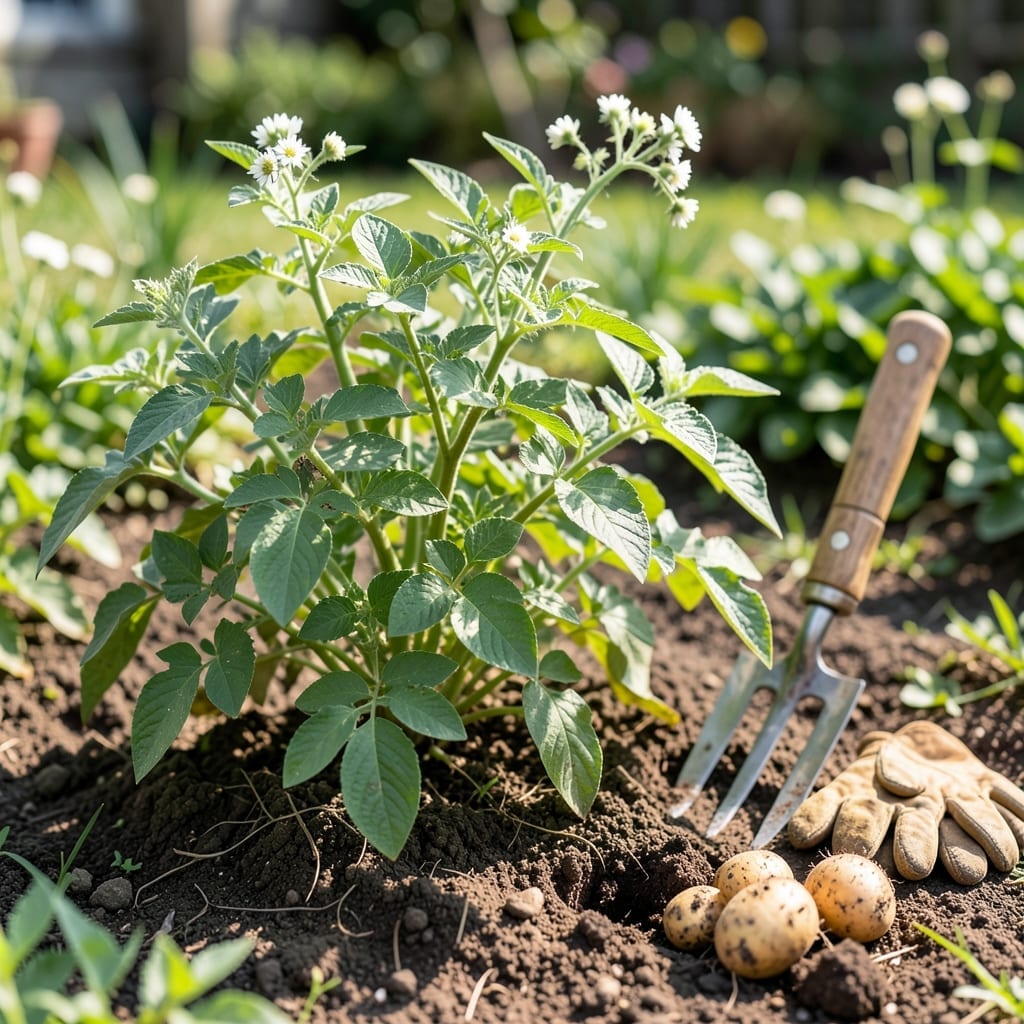
Knowing exactly when your 🥔 potatoes are ready to harvest can mean the difference between a bountiful crop and a disappointing dig.
Timing is everything—pull them too early, and you’ll get small, underdeveloped spuds. Wait too long, and they might rot in the soil.
I’ve learned the hard way that perfect harvest timing comes down to watching for a few key signs. Let me show you what to look for.
From flowering to foliage changes, there are clear indicators that your potatoes are at their peak. Discover how to spot them and enjoy the best harvest of your season.


I always watch for flowering as the first big clue that my potato plants are nearing harvest time. When those white or purple blooms appear, it means tubers are forming underground.
Another sure sign is when the foliage begins yellowing and dying back. This indicates the plant is shifting energy from growth to tuber maturation, a clear harvest signal.
| Sign | What It Means |
|---|---|
| Flowers appear | New potatoes ready in 2-3 weeks |
| Foliage yellows | Mature potatoes nearly ready |
| Skin sets | Resists scratching when rubbed |
| Tops die back | Full maturity reached |
For early varieties, I start checking at about 60-70 days after planting. I gently dig near the plant base with my hands to feel for small tubers if I want new potatoes.
With mid-season potatoes, the wait is longer—about 80-100 days. I look for that skin set test: if the skin doesn’t rub off easily when I gently scratch a tuber, they’re ready.
For late varieties, I’m patient until 110-135 days. The plants usually tell me by completely dying back. I wait 2-3 weeks after foliage death for the best storage potatoes.
I always check soil moisture before harvesting. Digging in dry soil is easier and prevents tuber damage. Wet soil can cause rot during storage if not properly cured.
Another pro tip: if you’re unsure, dig up one test plant. The size and skin condition of those tubers will tell you if the rest are ready. This saves me from harvesting an entire crop too early.
Remember that weather affects timing. A hot, dry summer may speed up maturity, while cool, wet conditions can delay it by a week or two. I adjust my expectations accordingly.
Finally, I harvest on a sunny day when the soil is dry. This gives the tubers a chance to dry slightly before storage, which helps prevent mold growth in my root cellar. ☀️
Timing your potato harvest depends on the variety you’re growing. Early potatoes like ‘Yukon Gold’ or ‘Red Norland’ are ready in 60-90 days, perfect for fresh eating right from the garden.
Late-season potatoes such as ‘Russet’ or ‘Kennebec’ need 100-135 days to mature fully. These are your storage potatoes, ideal for keeping through winter if cured properly.
Early vs. Late Potato Varieties
| Type | Harvest Window | Best For |
|---|---|---|
| Early | 60-90 days | Fresh eating |
| Mid-Season | 90-110 days | Boiling, mashing |
| Late | 100-135 days | Storage, baking |
I always check the weather forecast before harvesting. If rain is coming, I’ll dig early to avoid waterlogged soil, which can cause rot or make tubers harder to cure.
For early potatoes, I start checking at 60 days by gently feeling the soil near the base of the plant. If the tubers are marble-sized, they’re ready for a taste test!
Late varieties need more patience. I wait until the foliage yellows and dies back, which signals the skin has set and the potatoes are ready for long-term storage.
In cooler climates, add 1-2 weeks to these ranges. In hotter regions, potatoes may mature slightly faster, but watch for heat stress on the plants. ☀️