
Beautiful Plants For Your Interior
Beautiful Plants For Your Interior
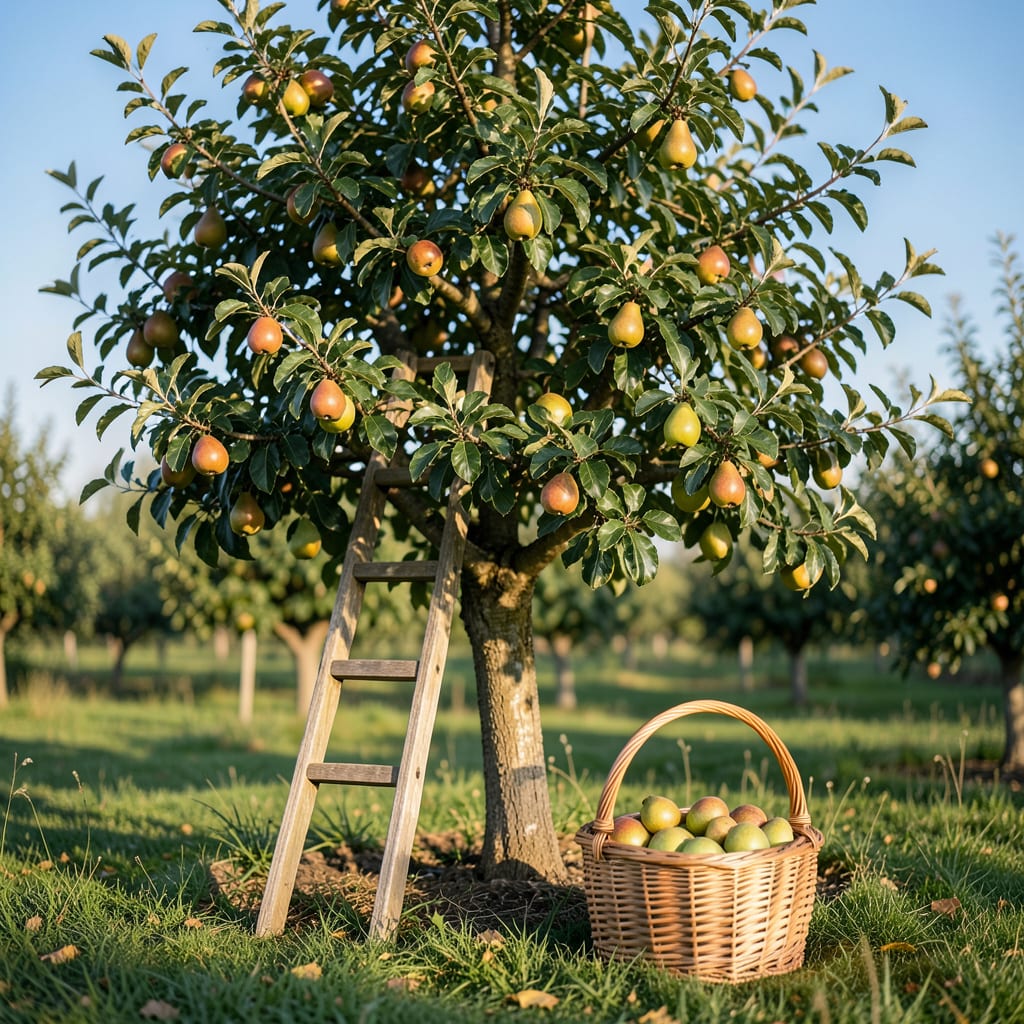
Knowing exactly when to pick 🍐 pears is the secret to enjoying sweet, juicy fruit instead of hard, unripe disappointments. Unlike most fruits, pears don’t ripen well on the tree.
Timing your harvest is critical for perfect flavor and texture. I’ll show you the easiest way to test for ripeness so you can enjoy your harvest at its peak.


Timing your pear harvest perfectly can be tricky since these fruits don’t ripen well on the tree. That’s why I rely on the stem twist method—a foolproof way to check for readiness without guessing.
The stem twist test works because pears develop an abscission layer at the stem when mature. This natural separation makes them easier to pick. It’s especially useful for varieties like Bartlett and Anjou. ✂️
I’ve found that early morning is the best time to test pears. The cooler temperatures make the fruits firmer, so you can better feel that slight give at the stem end when they’re ready.
For Bartlett pears, the color change from green to yellow is a great visual cue to start testing. With Bosc pears, look for the skin to turn from green to adusty brown before applying the twist method.
One common mistake I see is waiting too long. If pears are left on the tree until fully ripe, they’ll often develop gritty texture or core breakdown. The stem twist method helps you catch them at the perfect stage.
Remember that wind or storms can cause premature dropping. If you notice pears falling before they’re ready, it might indicate over maturity or pest damage that needs addressing.
After picking, let your pears ripen indoors at room temperature. They’ll continue to soften and develop their full flavor over a few days. Store them in a single layer to prevent bruising. 🌿
The stem twist method also works well for Asian pears, though they typically require a slightly firmer twist. These varieties often maintain their green color even when ripe, making the physical test even more important.
For the most accurate results, I recommend testing a few pears from different branches of your tree. Variability in sunlight exposure can affect ripening times, and this approach gives you a better overall picture of your harvest readiness.
Timing your pear harvest perfectly means watching for visual cues that signal ripeness. Unlike apples, pears don’t ripen well on the tree, so you’ll need to observe color changes and other signs closely.
Different pear varieties like Bartlett, Anjou, and Bosc show unique ripeness indicators. Bartletts turn from green to yellow, while Bosc pears develop a brownish-russet hue. Anjou pears often stay green but soften slightly.
| Variety | Color Change | Other Signs |
|---|---|---|
| Bartlett | Green to yellow | Slight give at stem |
| Bosc | Green to brown-russet | Firm texture until picked |
| Anjou | Stays green | Subtle softening near stem |
For all varieties, I check for a slight color shift at the stem end first. This is often the earliest sign. The fruit’s shoulder area near the stem may develop a yellowish tint even when the rest is green.
Another reliable indicator is fruit size. Pears reach their full mature size just before they’re ready to harvest. Compare the fruit to known mature pears of the same variety from past seasons.
I also look for texture changes. Gently press near the stem – if there’s a slight give, it’s likely ready. Avoid squeezing too hard, as this can bruise the fruit.
Remember that climate affects timing. In warmer regions, pears may mature 1-2 weeks earlier than in cooler areas. Always combine visual checks with the stem twist method for best results. 🌳
Harvesting pears at the wrong time can lead to disappointing results. I’ve seen many gardeners make the mistake of waiting too long, thinking pears will ripen on the tree like apples.
This often results in overripe fruit with gritty texture or core breakdown. Pears actually ripen best after picking, so timing your harvest is crucial for quality. 🌿
Another common error is improper handling during picking. Always use the stem twist method rather than pulling, which can tear the branch or bruise the fruit.
I also see gardeners overlooking storage conditions. After picking, store pears at room temperature in a single layer to prevent bruising. Avoid refrigeration until they’re fully ripe. ☀️
Don’t forget that variety matters. Bartlett pears change color dramatically, while Anjou pears stay green. Know your variety’s specific ripeness indicators to avoid mistakes.
Pears ripen from the inside out, so leaving them on the tree too long causes the core to break down. This results in gritty texture or mealiness.
No, pears picked too early won’t ripen properly. They should show color change and slight give at the stem. Bartletts turn yellow; Boscs develop russet.
Early morning is ideal. The fruit is firmer when cool, making it easier to detect ripeness and handle without bruising.
Most varieties ripen in 2-5 days at room temperature. Check daily for softness at the stem end. Store in a single layer to prevent bruising.
