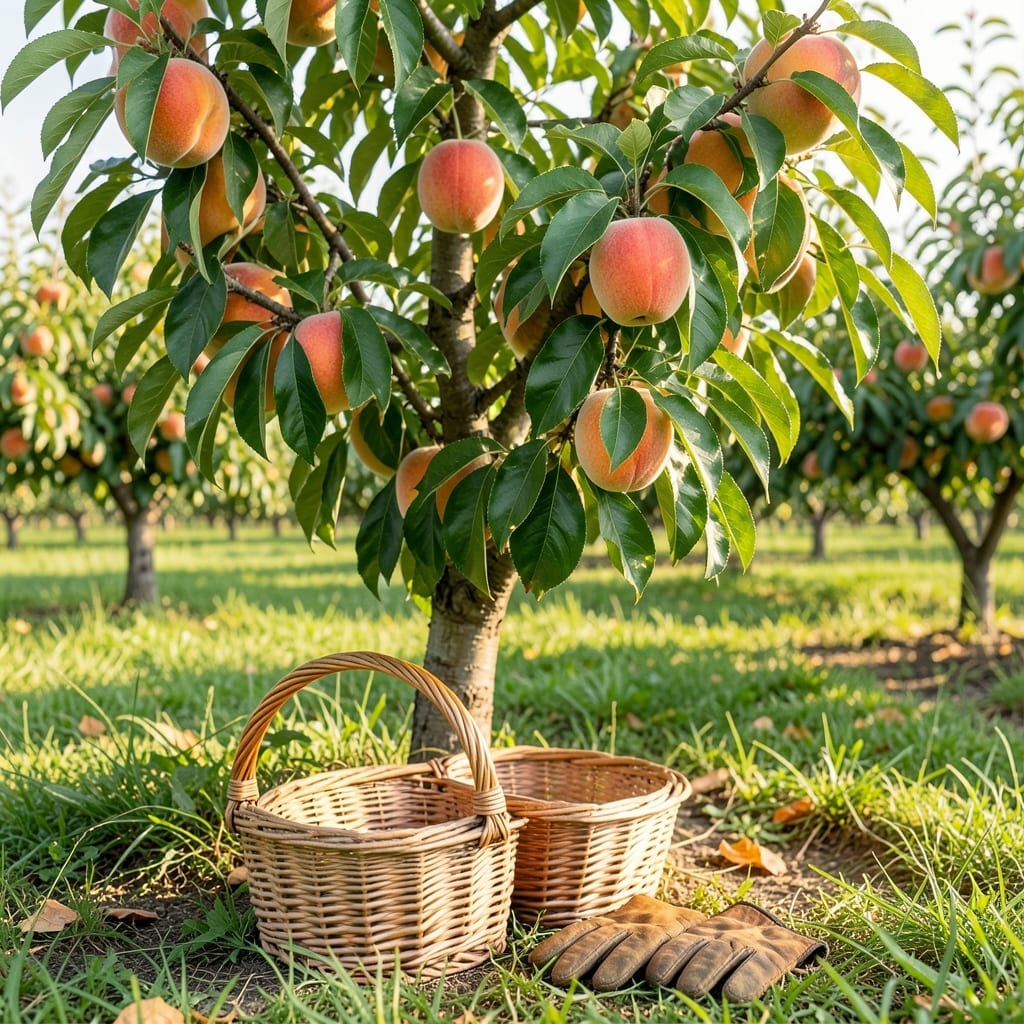
When Are Peaches Ready: Color and Fragrance Clues to Pick Perfectly

When Are Peaches Ready: Color and Fragrance Clues to Pick Perfectly

Knowing exactly when peaches are ready to pick can mean the difference between a mediocre harvest and bursts of sweet, juicy perfection. Timing is everything with the 🍑.

Too early and they’re tart and hard; too late and they’re mushy or overripe. I’ve learned the hard way that missing this window ruins the experience.

What most people don’t realize is that color and fragrance hold the key clues. These subtle signs tell you everything about ripeness.

Discover how to read these natural indicators so you’ll never pick a peach at the wrong time again. Your taste buds will thank you.

Style 16: Quick Tips – General
🌅
Morning
Pick early for best flavor & crunch
✂️
Clean Cut
Use scissors, don’t pull or twist
🔄
Check Daily
Ripeness can change overnight!

How to Tell When Peaches Are Ready to Harvest by Color and Texture

I’ve found that peach ripeness starts with color changes—watch for the skin to shift from green to golden-yellow with a red blush developing on the sun-exposed side. This is your first visual clue that the fruit is nearing maturity.

The stem end often reveals the most about ripeness. A slight softness here, when gently pressed, indicates the peach is ready. The skin may also feel less firm and more velvety to the touch. ✂️

Ripeness Sign What to Look For
Color Golden-yellow with red blush
Texture Slight softness at stem end
Skin Feel Velvety, less firm
Clingstone Flesh sticks to pit
Freestone Pit separates easily

Clingstone peaches often ripen earlier in the season and have flesh that clings to the pit. They’re great for canning but trickier to harvest. I check them first when the color starts changing from green.

Freestone peaches, on the other hand, have pits that separate easily from the flesh. These typically ripen later in summer and are my go-to for fresh eating. The ease of pit removal is a dead giveaway they’re ready.

I always test a few fruits from different parts of the peach tree. Those on the sunny side often ripen first. If they come off the branch with a gentle twist and a slight tug, they’re at peak ripeness.

The background color is more reliable than the red blush for judging ripeness. A fully golden-yellow base means it’s ready, while any green indicates it needs more time. I’ve learned not to rush this process.

For early varieties, expect harvest in June to early July. Mid-season peaches are usually ready in July, while late varieties may not ripen until August. This varies by climate and location.

In my experience, dwarf peach trees often ripen their fruit a bit earlier than standard trees. The smaller size means less energy storage, so they tend to mature faster. Keep an eye on them starting in early June.

Remember, size isn’t everything when determining ripeness. A large peach isn’t necessarily ripe, and a smaller one might be perfect. I focus on the color and feel more than the size when deciding if it’s time to pick. 🌳

The Role of Fragrance and Sound in Peach Ripeness

I always tell gardeners not to underestimate their sense of smell when checking peaches. A strong sweet aroma at the stem is a dead giveaway of ripeness. This scent develops as sugars concentrate in the fruit. Freestone varieties often have the most pronounced fragrance.

Another trick I use is the tap test. Gently tap the peach with your knuckles—a hollow thud means it’s ready, while a flat sound suggests it needs more time. This works because the flesh softens as the fruit matures. Combine this with a visual check for best results.

Key Sensory Cues for Ripeness

  1. Stem Aroma: Strong, sweet smell at the stem end
  2. Tap Sound: Hollow thud when gently tapped
  3. Color Shift: Background turns from green to golden-yellow
  4. Stem Check: Fruit separates easily with a gentle twist

I’ve found that fragrance alone can be more reliable than color, especially for red-skinned varieties. The red blush can develop before the fruit is fully ripe, but the sweet scent won’t. This is why I always recommend using multiple senses when testing.

For the tap test, practice makes perfect. Start with a few peaches and compare the sounds. You’ll quickly learn the difference between a ripe hollow thud and an unripe flat sound. This method is particularly useful for high branches where color is hard to judge.

Remember that temperature affects aroma. Peaches picked in the cool morning may have a subtler scent than those checked in the warm afternoon. I always do my final ripeness checks when the fruit is at its warmest for the most accurate results.

Combining these sensory tests with visual cues gives you the best chance of picking peaches at their peak ripeness. Trust your nose and ears—they’re often more reliable than your eyes alone. ✂️

★★★★★4.6(2 reviews)