
Beautiful Plants For Your Interior
Beautiful Plants For Your Interior
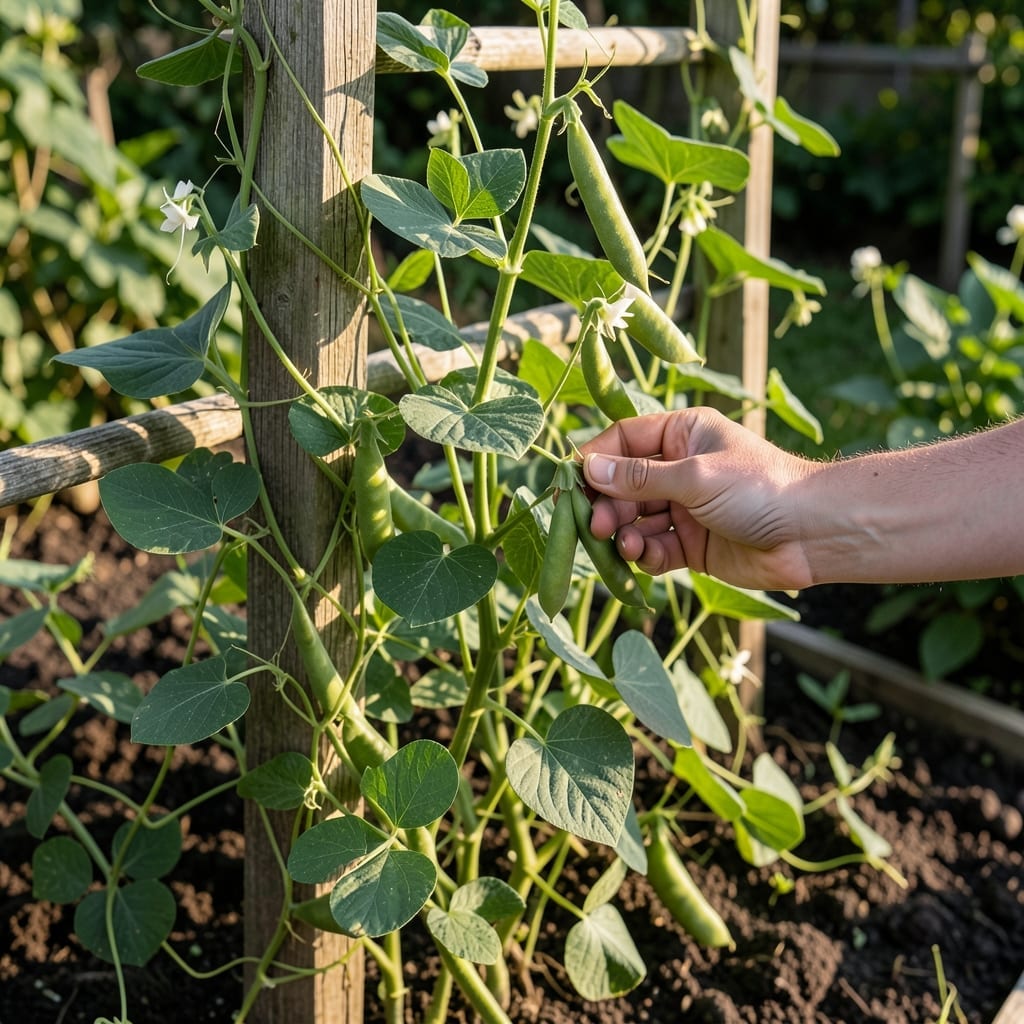
Knowing exactly when to harvest your 🌱 Pea pods can make all the difference between a crisp, sweet crop and a tough, starchy letdown. Timing truly is everything for the best flavor and texture.
I’ve learned that watching for key signs like pod size, color, and firmness is the game-changer. It’s not just about guessing—it’s about observing.
With Peas, the window is short, and missing it means missing out on that perfect snap and sweetness. The right moment is when the pods look plump and feel full.
Let me show you how to spot these signs and harvest your Peas at their peak, ensuring every bite is as delicious as it should be.

I always watch for bright green and glossy pea pods as the first sign of readiness. This vibrant color indicates the peas inside are developing nicely and the pod is maturing properly. Dull or pale pods usually mean they’re not quite there yet.
Another clear indicator is the pod size. For most varieties like snap peas or shelling peas, pods should reach about 2-3 inches long before harvesting. Snow peas can be picked a bit earlier when they’re flat but fully formed.
| Variety | Ready Size | Key Sign |
|---|---|---|
| Snap Peas | 2-3 inches | Plump, peas visible |
| Shelling Peas | 2.5-3.5 inches | Firm when squeezed |
| Snow Peas | 1.5-2.5 inches | Flat pods, peas tiny |
The texture of the pod is just as important as its appearance. A ready pod should feel firm and full when gently squeezed. If it feels flat or squishy, the peas inside aren’t developed enough for optimal flavor and texture.
I also check for peas visible as bumps through the pod skin. This is a surefire sign that the peas are filling out nicely. For snow peas, the peas remain small, but the pod itself should look smooth and well-formed.
Don’t overlook the snap test for snap peas. A perfectly ripe snap pea will break cleanly with a satisfying snap sound when bent. If it bends without snapping, it might need a day or two more on the vine.
For shelling peas, I listen for a faint rattle when I shake the pod. This indicates the peas inside have grown enough to move around slightly, which is ideal for these varieties.
Timing matters too. Most pea varieties are ready to harvest 55-70 days after planting. I start checking daily once I hit the 55-day mark to avoid missing the perfect window.
I’ve found that morning harvesting gives the best results. The pods are crispest and most flavorful after a cool night. Plus, picking in the morning helps prevent the peas from becoming tough in the afternoon heat.
Finally, consistent picking encourages more pod production. I make it a habit to check my pea plants every other day once they start producing. This keeps the harvest coming and ensures I never miss a pod at its peak.
I always start with the squeeze test to check pea pod readiness. Gently press the pod between your fingers—it should feel firm and plump with no give. A flat or squishy pod means the peas need more time to develop.
The transparency check works wonders too. Hold the pod up to light—if you can see the pea shapes clearly through the skin, they’re likely ready. For snow peas, the peas stay small, but the pod should look fully formed.
For absolute certainty, I do a taste test. Pick one pod from different plants and sample the peas. They should be sweet and tender—if they’re starchy or tough, wait another day or two before harvesting the rest.
With shelling peas, the rattle test is my go-to. Shake the pod near your ear—you should hear the peas moving inside. If there’s no sound, they’re not ready yet. This works best with larger, mature pods.
For snap peas, the bend test is foolproof. Bend the pod gently—if it snaps cleanly with a crisp sound, it’s perfect. If it just bends or feels rubbery, give it more time on the vine.
I always test pods from different parts of the plant, as they may mature at slightly different rates. The lower pods often ripen first, so I check those before moving up the vine.
Remember, peas can go from perfect to overripe quickly, especially in warm weather. Once you confirm ripeness, harvest all ready pods immediately to enjoy them at their peak flavor and texture. ✂️