
Beautiful Plants For Your Interior
Beautiful Plants For Your Interior
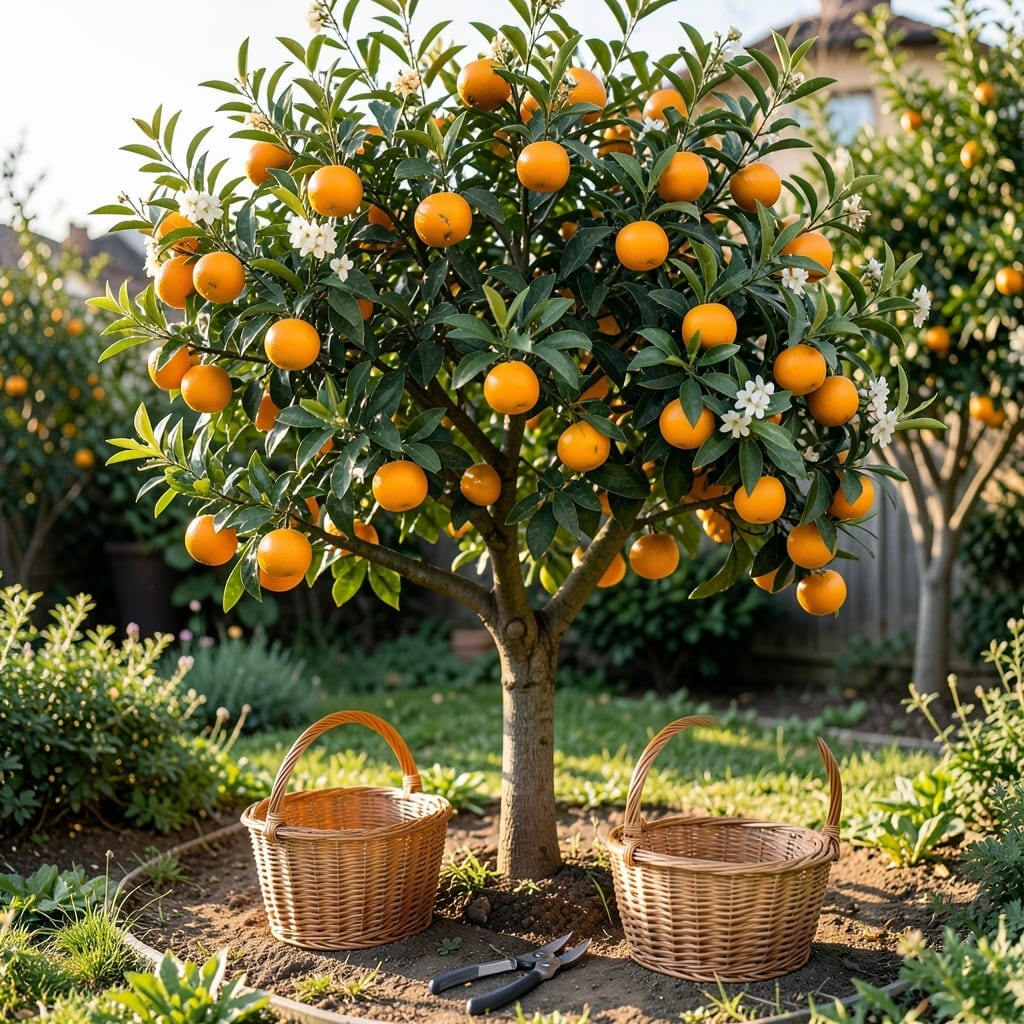
Knowing when oranges are perfectly ripe ensures you pick fruit at its peak sweetness and juiciness. Unlike some fruits, 🍊 Orange trees don’t always change color as they ripen, making timing the harvest a bit tricky.
I’ve seen gardeners struggle with this, especially in zones 9-11, where the climate can vary. The good news is there are clear signs to look for, and I’m about to share them with you.
From the subtle shift in texture to the telltale aroma, you’ll discover how to spot ripeness like a pro. No more guessing games—just confident, delicious results.
Let’s dive into the simple yet effective ways to know your oranges are ready to enjoy. You’ll be surprised how straightforward it can be.


I know ripe oranges can be tricky because they don’t always turn fully bright orange when ready. Some varieties stay green-tinged even at peak ripeness, especially in warmer climates. This often confuses new gardeners who expect a uniform color change.
The best way to check is by combining visual cues with a gentle squeeze test. A ripe orange feels slightly soft and heavy for its size, while an unripe one feels hard and light. The skin should also have a smooth texture with a glossy sheen.
| Ripeness Sign | What to Look For |
|---|---|
| Color | Uniform orange (or green-tinged for some varieties) |
| Firmness | Slightly soft, yields to gentle pressure |
| Weight | Feels heavy for its size |
| Aroma | Sweet, strong citrus scent |
I’ve found that Navel oranges often develop a deep orange hue when ripe, while Valencia oranges may retain green patches even when sweet and juicy inside. This is due to chlorophyll in the peel, which doesn’t always disappear in warm climates.
Another reliable sign is the aroma. Ripe oranges emit a strong citrus fragrance that you can smell even before peeling. If there’s no scent, the fruit likely isn’t ready yet. This works for all varieties, from blood oranges to mandarin hybrids.
For tactile confirmation, gently press the orange with your palm. It should give slightly under pressure but not feel mushy. Oranges that are too firm need more time, while those that are too soft may be overripe or starting to spoil.
I also pay attention to the stem end. A ripe orange often has a slightly loosened stem, making it easier to pick. If the fruit resists when you try to twist it off the branch, it’s probably not ready. Use pruning shears to avoid damaging the tree.
Remember that climate affects ripening. In cooler regions, oranges may take longer to mature and develop their full color. In tropical areas, they might ripen faster but retain green skin. Always taste-test one or two fruits first if you’re unsure.
Finally, harvest in the morning when temperatures are cooler. This helps preserve the fruit’s natural sugars and juiciness. Store picked oranges in a cool, dry place or the refrigerator to extend their freshness.
☀️With practice, you’ll recognize these ripe orange signs quickly. Soon, you’ll be harvesting perfectly sweet and juicy oranges every time without second-guessing. It’s one of the most rewarding parts of growing citrus at home.
🌿Timing your orange harvest right depends on the variety you’re growing. Each type has its own peak season, influenced by climate and growing conditions. For example, Navel oranges typically ripen in winter months in most regions.
In warmer climates like California or Florida, Valencia oranges often ripen later, sometimes stretching into early summer. Meanwhile, Blood oranges thrive in cooler nights and are usually ready by late winter.
| Variety | Harvest Window | Key Regions |
|---|---|---|
| Navel | Oct – Jan | California, Arizona |
| Valencia | Mar – Jun | Florida, Texas |
| Blood Orange | Dec – Apr | California, Italy |
| Clementine | Nov – Feb | Spain, Morocco |
Regional temperature swings can shift these windows. A late frost might delay ripening, while consistent warmth speeds it up. Always check your local conditions and observe the fruit closely as the season progresses.
I’ve found that taste-testing a few oranges from different parts of the tree helps confirm ripeness. If they’re sweet and juicy, the rest are likely ready too. Green patches on the skin don’t always mean they’re unripe—some varieties naturally retain a green tint even when fully mature.
For home gardeners, keeping a harvest journal can help track patterns year to year. Note when you first notice color changes and when the fruit reaches peak flavor. This data becomes invaluable for future seasons.
Remember, oranges don’t ripen off the tree like some fruits. Once picked, their sugar content won’t increase, so timing is everything for the best flavor ✂️