
Beautiful Plants For Your Interior
Beautiful Plants For Your Interior
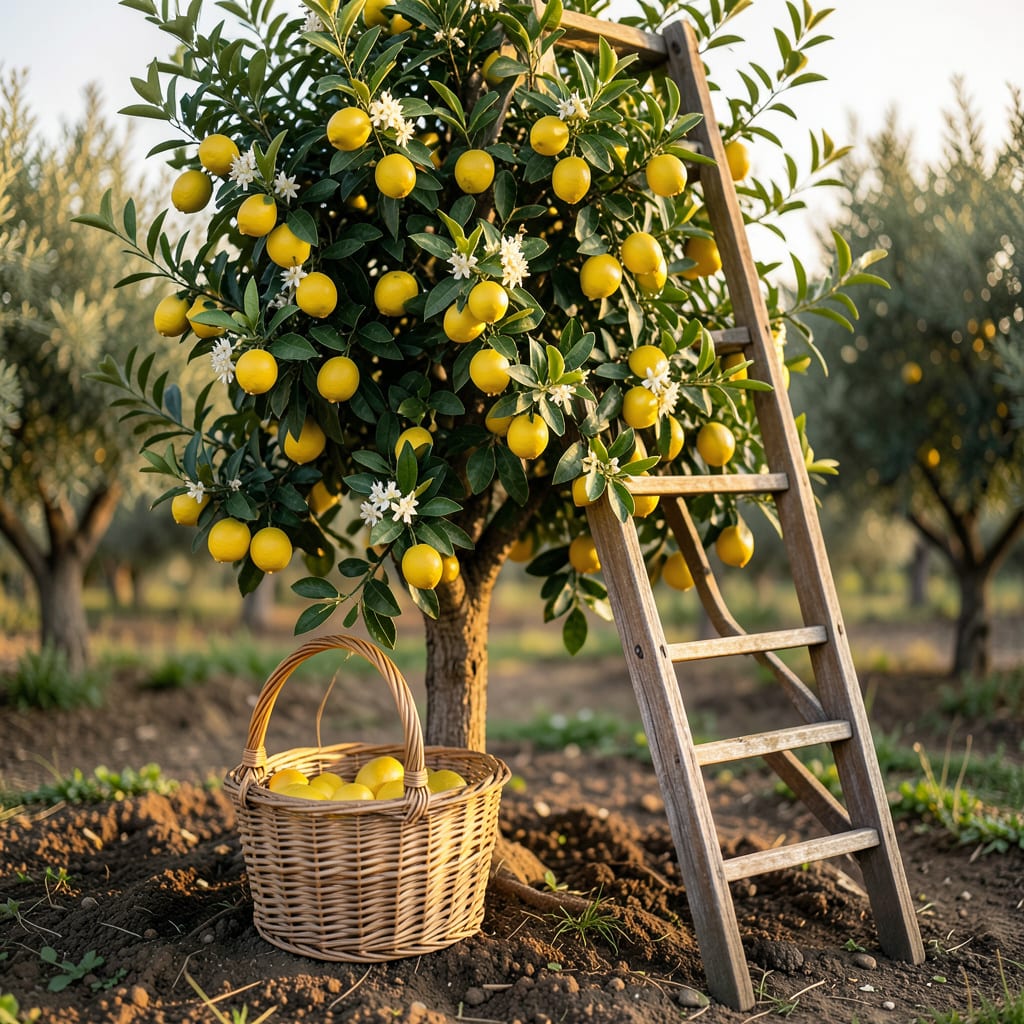
Picking lemons at the perfect stage of ripeness ensures the best flavor and juice yield. Unlike many fruits, the 🍋 Lemon doesn’t ripen further after being picked, so timing is everything.
I’ll show you 3 simple tests to confirm ripeness and share the seasonal cues that work in zones 9-11. Let’s make sure you never harvest a lemon too soon again.


I love checking my lemon tree for ripeness signs in late fall. The most obvious indicator is the color transition from green to bright yellow, but this can vary by variety.
Eureka lemons turn fully yellow when ripe, while Meyer lemons often have a yellow-orange hue. The skin should look slightly dull rather than shiny, which signals peak maturity.
| Variety | Ripeness Color | Texture Sign |
|---|---|---|
| Eureka | Bright yellow | Slightly soft |
| Meyer | Yellow-orange | Heavy feel |
| Lisbon | Deep yellow | Easy twist off |
The squeeze test is my go-to method. Gently press the lemon – it should yield slightly like a ripe avocado but not be mushy. Too firm means it’s not ready.
Another reliable sign is weight comparison. Ripe lemons feel heavier because they’re full of juice. Compare similar-sized fruits to notice the difference.
Don’t forget the scent check. Ripe lemons have a stronger, sweeter citrus aroma at the stem end. If it smells fresh and vibrant, it’s likely ready.
Seasonal timing matters too. In USDA zones 9-11, lemons can ripen year-round, but peak season is typically late fall through early winter for most varieties.☀️
For Meyer lemons, which are a hybrid, the ripening period often extends into early spring. These are usually ready when they reach a deep yellow-orange color.
I always check the skin texture too. Immature lemons have smooth, glossy skin, while ripe ones develop a slightly rougher texture that’s less shiny.
The stem end can offer clues as well. When lemons are ready to pick, they’ll often have a slightly dried appearance at the blossom end.
Remember that color alone isn’t enough. Some lemons may turn yellow but still need more time to develop their full flavor and juice content.
I’ve seen many gardeners harvest lemons too early by relying solely on color changes. While a vibrant yellow is a good sign, some varieties like Meyer lemons may retain a greenish tint even when ripe.
Another common error is ignoring seasonal cues. In USDA zones 9-11, lemons often ripen from late fall to early winter, but this can vary based on climate and care.
⚠️ Warning: Picking lemons after heavy rain can dilute their juice content. Always check firmness and weight before harvesting.
Some gardeners also skip the squeeze test, assuming all yellow lemons are ready. A ripe lemon should yield slightly to gentle pressure but not feel mushy.
Don’t forget to check the stem. A ripe lemon will detach easily with a gentle twist, while an unripe one will cling tightly.
Another mistake is harvesting too late. Overripe lemons can become dry or pithy, losing their juicy freshness. Regular checks during the peak season prevent this.
Finally, avoid picking lemons in extreme heat. High temperatures can cause premature drying, affecting both flavor and texture. Early morning is the best time for harvesting. ☀️
I always use the squeeze test first—gently press the lemon. A ripe one gives slightly under pressure, while an unripe fruit stays hard as a rock. This simple check takes seconds and prevents early picking mistakes.
Next, try the scent check. Ripe lemons release a strong citrus aroma when you scratch the peel. If it smells faint or green, leave it on the tree for a few more days.
The weight comparison is my favorite. Pick up a few lemons—ripe ones feel surprisingly heavy for their size. This usually means they’re full of juice and ready to harvest.
For Meyer lemons, I’ve noticed they often ripen a bit earlier than Eureka lemons. Their thinner skin can make them feel softer sooner, so I rely more on color and scent for these.
Remember, lemon ripeness doesn’t improve after picking. If you’re unsure, leave the fruit on the tree a little longer. Patience always pays off with better flavor and more juice. ☀️
Some varieties like Meyer lemons stay greenish even when ripe. Check for a slight give when squeezed and a strong citrus scent at the stem end.
No, lemons don’t ripen further after harvest. They must be picked at peak ripeness for best flavor and juice content.
Color alone isn’t enough. They may need more time to develop sweetness. Use the squeeze test and weight comparison to confirm true ripeness.
Early morning is ideal, as the fruit is firmest and juiciest. Avoid harvesting after heavy rain or during extreme heat.
