
Beautiful Plants For Your Interior
Beautiful Plants For Your Interior
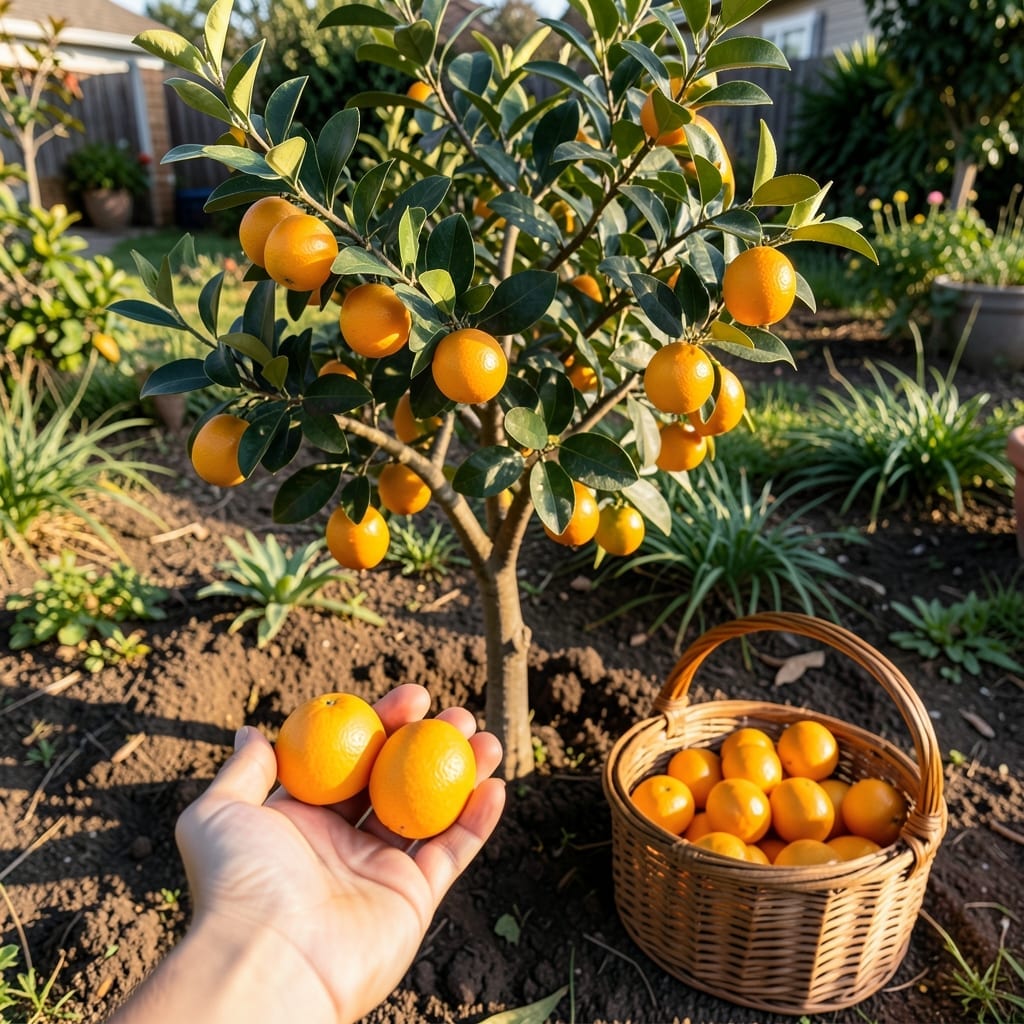
I remember the first time I tried to harvest my 🍊 Kumquat tree – I picked them too early and was met with a mouth-puckering surprise. Unlike other fruits, their color stays the same from green to ripe, making it tricky to know when they’re ready.
Getting the timing right means the difference between tart disappointment and sweet citrus perfection. I’ll show you the subtle signs that indicate your kumquats are at their peak, so you never have to guess again.
Discover the seasonal windows and visual cues that take the mystery out of kumquat ripening. Your taste buds will thank you for this game-changer.


I love how kumquats keep their orange color even when unripe, making them unique among citrus. This means we can’t rely on color changes like with lemons or oranges. Instead, we need to look for other subtle signs.
The most reliable indicator is firmness – ripe kumquats will give slightly when gently squeezed, similar to a ripe avocado. They’ll also develop a sweet citrus aroma that’s impossible to miss when you’re near the tree.
| Sign | Ripe | Not Ripe |
|---|---|---|
| Color | Deep orange | Green or pale yellow |
| Texture | Slightly soft | Hard as rock |
| Aroma | Strong sweet scent | No smell or sour |
| Stem | Easily detaches | Firmly attached |
I always recommend the taste test – pick one fruit and sample it. Ripe kumquats will be sweet with a tangy finish, while unripe ones will be extremely sour. Remember, the peel is edible too and should be sweet when ripe.
Another trick I use is checking the seed color. When the seeds turn from white to light brown, that’s a good sign the fruit is maturing. This works best for Nagami kumquats, which are the most common variety.
Timing matters too. In my Zone 9 garden, kumquats typically ripen from November to April, with peak sweetness in January and February. The fruits often stay on the tree for weeks, so don’t rush to pick them all at once.
Watch for birds and squirrels – they’re excellent judges of ripeness! If wildlife starts showing interest in your kumquats, it’s usually a sign they’re ready for harvest. I’ve learned to share some with the local birds.
For container-grown kumquats, the same rules apply. I’ve found that potted trees might ripen a bit earlier due to the controlled environment. Just be sure they’re getting 6-8 hours of sun daily for best results.
The Meiwa kumquat variety is sweeter when fully ripe, while Nagami has more tartness. Centennial kumquats, a hybrid, fall somewhere in between. Each has its own perfect ripening window.
I make it a habit to check my trees weekly during ripening season. The change from hard and sour to soft and sweet can happen quickly, especially during warm spells. Don’t let them overripen on the tree though – they’ll become dry and pithy.
With these tips, you’ll never wonder when are kumquats ripe again. Trust your senses and enjoy the process of discovering that perfect moment to harvest your citrus treasures 🌿
I’ve learned that kumquat ripening times vary significantly by variety and climate. In warmer zones like 9-11, you’ll typically see ripe fruit from November to April, with peak sweetness in mid-winter.
The Nagami kumquat is the most common variety, usually ripening earlier in the season. Meiwa kumquats tend to ripen slightly later but are sweeter when ready. Centennial kumquats, a hybrid, fall somewhere in between.
| Variety | Tropical Climate | Subtropical Climate |
|---|---|---|
| Nagami | Oct-Jan | Nov-Feb |
| Meiwa | Nov-Dec | Dec-Mar |
| Centennial | Nov-Jan | Dec-Feb |
In tropical climates, kumquats may ripen 2-4 weeks earlier than in subtropical areas. The consistent warmth speeds up their development, but beware of early frost in subtropical zones that can damage the fruit.
I’ve noticed that container-grown kumquats often ripen earlier than those in the ground. This is because pots warm up faster in the sun. Just ensure your potted trees get 6-8 hours of sun daily.
For gardeners in Zone 8, where kumquats are at the edge of their hardiness, the ripening window is shorter. You’ll want to harvest before the first frost, typically by late November.
Remember that microclimates matter. A sunny south-facing wall can create a warmer pocket where kumquats ripen earlier. I always check my trees in different locations separately.
With these variety and climate insights, you’ll master the timing of when are kumquats ripe in your specific growing conditions 🌿