
Beautiful Plants For Your Interior
Beautiful Plants For Your Interior
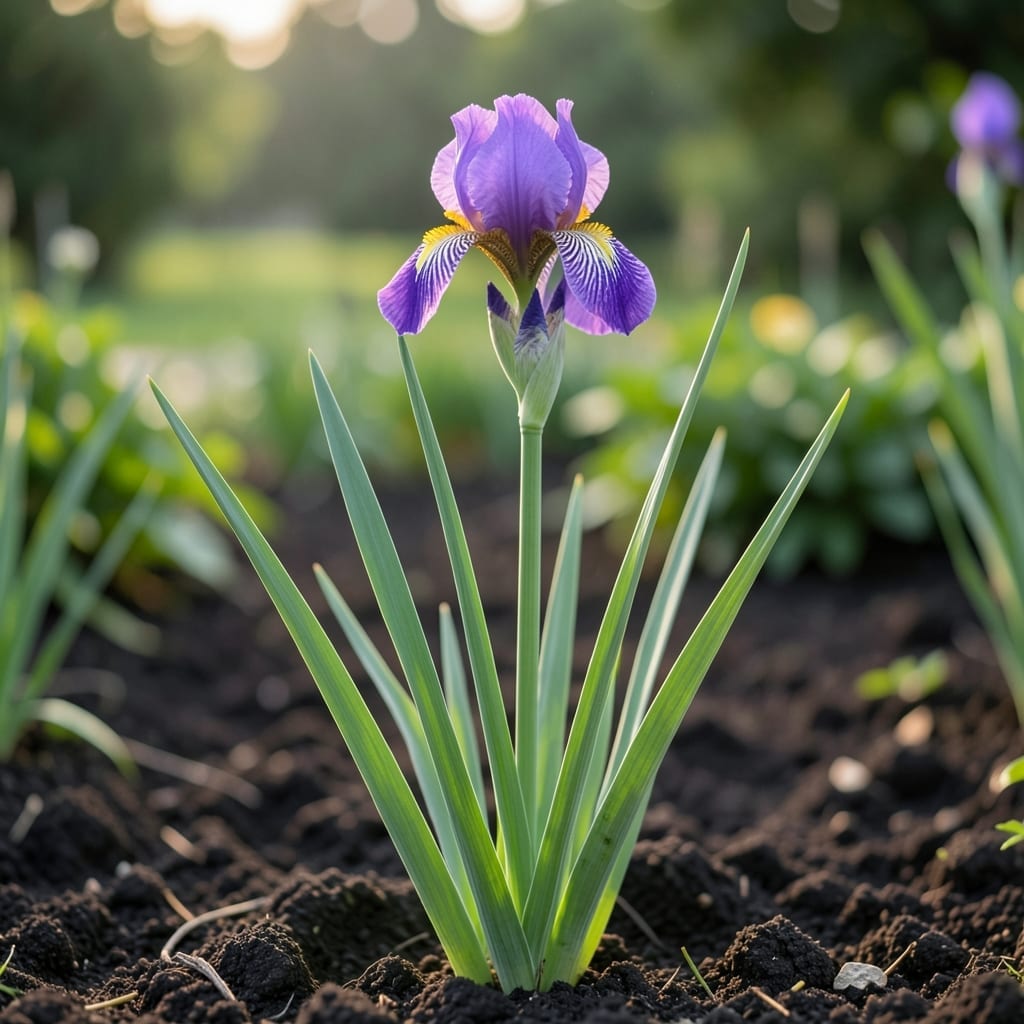
There’s nothing quite like watching 🌸 Iris blooms transform a garden into a vibrant canvas of color. These elegant flowers bring joy to any landscape, but their appearance depends entirely on the variety you choose.
From early spring to early summer, different types of irises take center stage. The key is knowing which varieties will thrive in your climate and when to expect their stunning display.
I’ve learned that timing is everything with these beauties. Some varieties bloom as early as March, while others wait until June to show off their colors.
Let me show you how to maximize your iris season and enjoy continuous blooms. The secret lies in selecting the right types and giving them the care they need.
If you’ve ever wondered when irises bloom, the answer depends on the variety. These stunning flowers don’t all follow the same schedule, which is great news for gardeners who want continuous color from early spring to summer.
I’ve found that dwarf irises are the earliest to show off, often blooming in late winter or early spring. Their petite size makes them perfect for rock gardens or borders where you want early pops of color. ☀️
| Iris Type | Blooming Period | Height Range |
|---|---|---|
| Dwarf | Late Winter to Early Spring | 8-15 inches |
| Intermediate Bearded | Early to Mid Spring | 16-27 inches |
| Tall Bearded | Mid to Late Spring | 28-48 inches |
| Siberian | Late Spring to Early Summer | 24-48 inches |
| Japanese | Early to Mid Summer | 24-40 inches |
Bearded irises come next, with their intermediate varieties blooming in early to mid-spring. These are the classic garden irises many of us know and love, with their velvety falls and ruffled standards creating a dramatic display.
The tall bearded irises take center stage in mid to late spring. These showstoppers can reach 4 feet tall and produce the largest blooms. I always
For those who want summer color, Siberian irises bloom from late spring to early summer. They’re incredibly hardy and thrive in cooler climates, making them a favorite for northern gardens. Their grass-like foliage stays attractive long after the flowers fade.
Japanese irises round out the season, blooming in early to mid-summer. These moisture-loving plants prefer acidic soil and do wonderfully near ponds or streams. Their flat, ornate flowers are unlike any other iris variety.
Regional climate plays a big role in bloom times. In warmer zones, irises may bloom 2-4 weeks earlier than in cooler areas. I’ve noticed my Zone 7 garden often sees dwarf irises in February, while the same varieties might not appear until April in Zone 5. 🌱
To maximize your iris season, consider planting a mix of these varieties. This way, you can enjoy their beauty from late winter all the way through summer. I always recommend starting with early, mid, and late bloomers for the longest display.
Remember that proper care affects blooming too. Well-drained soil and full sun (at least 6 hours daily) will help your irises reach their full potential. In my experience, dividing clumps every 3-4 years keeps them vigorous and flowering strongly.
With so many types available, you can create a custom iris calendar that keeps your garden in color for months. The key is understanding each variety’s natural schedule and working with it to create a stunning seasonal display. 🌷
I love creating a garden that stays in colorful bloom for months, and irises make that easy with the right approach. By planting different varieties, you can enjoy flowers from early spring through midsummer. ☀️
The trick is staggering planting times and choosing complementary types. Dwarf irises often start the show in March, while tall bearded irises finish strong in June or July. With careful planning, you can bridge the gaps between their natural blooming periods.
Extend Your Iris Season:
I’ve found that companion planting works wonders with irises. Pair early bloomers with crocuses and late varieties with daylilies to maintain color. This creates a seamless transition between blooming periods.
Soil preparation is key for extended blooms. Make sure your iris beds have well-draining soil and full sun exposure. I always add a bit of bone meal when planting to encourage strong root development.
Remember that dividing clumps every few years keeps your irises vigorous. I do this in late summer after the blooming season ends. It rejuvenates the plants and gives you more rhizomes to expand your display.
With these strategies, I’ve managed to enjoy iris blooms for nearly 4 months each year. It takes some planning, but the reward of a continuously colorful garden is worth every effort. 🌷