
Beautiful Plants For Your Interior
Beautiful Plants For Your Interior
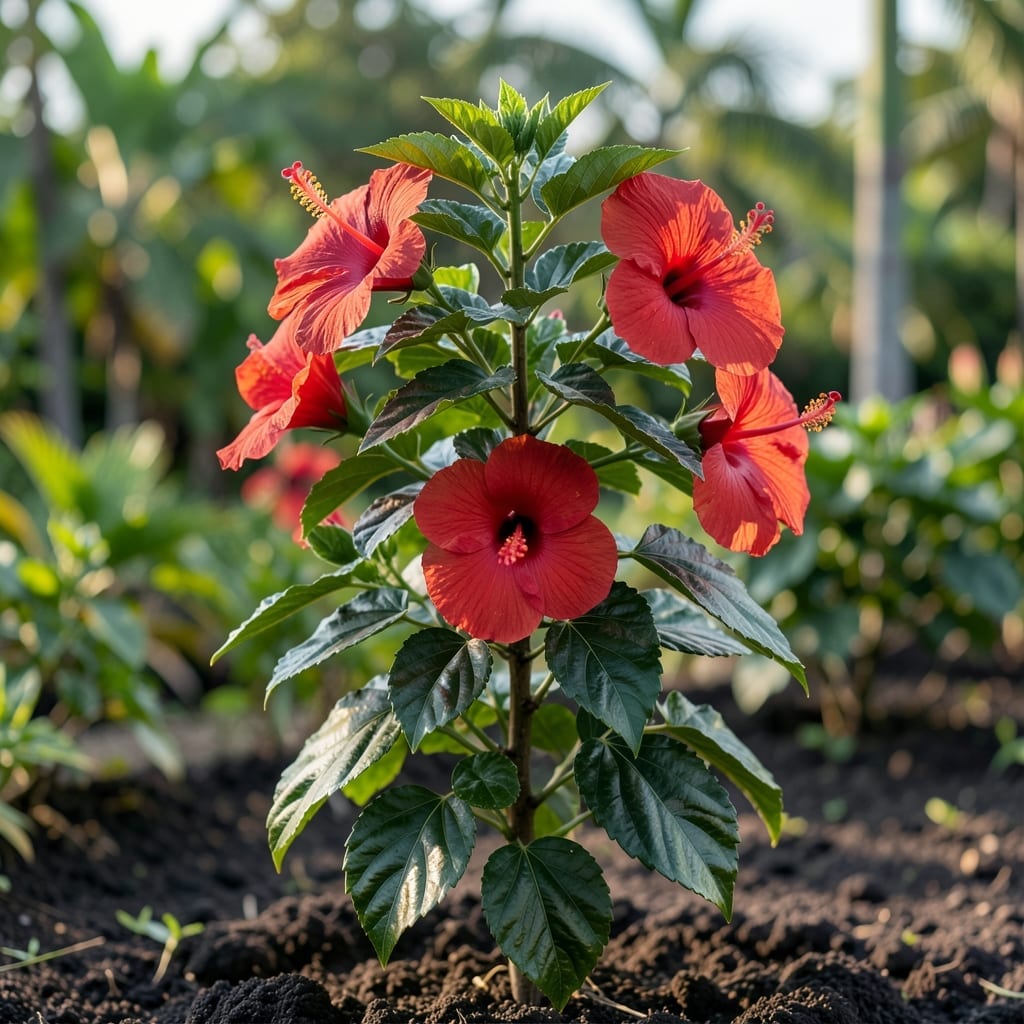
There’s something magical about watching 🌺 Hibiscus burst into bloom, transforming your garden into a tropical paradise. But timing is everything when it comes to enjoying these vibrant flowers.
I’ve learned that their season depends heavily on your location and climate. In warmer zones, you might see flowers much earlier than in cooler regions.
Understanding these patterns helps you plan and care for your Hibiscus properly. With the right knowledge, you can maximize their blooming potential.
Let me share what I’ve discovered about the most important factors that influence when your Hibiscus will shine brightest in your garden.
If you’re wondering when are hibiscus in season, the answer depends on your USDA hardiness zone and the type of hibiscus you grow. Tropical hibiscus thrives in warmer climates, while hardy hibiscus can handle cooler temperatures.
In general, tropical hibiscus blooms from late spring to fall in zones 9-11, producing vibrant flowers almost year-round in frost-free areas. Meanwhile, hardy hibiscus flowers from mid-summer to early fall in zones 5-8.
| USDA Zone | Hibiscus Type | Blooming Season |
|---|---|---|
| 9-11 | Tropical | Year-round in frost-free areas |
| 8 | Tropical | May to October |
| 5-8 | Hardy | July to September |
| 4 and below | Hardy | Short season (August only) |
In zone 9-11, tropical hibiscus can bloom almost year-round if protected from frost. These regions offer the ideal warm climate for continuous flowering with proper care and protection.
For zone 8, expect tropical hibiscus to bloom from May through October. The first frost typically ends the season, so gardeners often overwinter plants indoors to preserve them for the next year.
Hardy hibiscus in zones 5-8 has a shorter window, usually July to September. These plants die back in winter but regrow from roots each spring, producing stunning dinner-plate-sized blooms in summer.
In cooler zone 4 and below, even hardy hibiscus struggles. You might see a few blooms in August, but the season is brief. Consider growing in containers to move plants indoors during cold months.
Climate isn’t the only factor. Sunlight exposure and soil quality also impact blooming. Ensure your hibiscus gets 6+ hours of sun daily and well-draining soil for the best results.
Remember that microclimates in your garden can create variations. A south-facing wall or urban heat island might extend your hibiscus season by a few weeks. Observe your specific conditions.
For the longest possible bloom time, choose the right variety for your zone and provide consistent care. With proper attention, you can enjoy hibiscus flowers for months each year 🌺
I’ve found that with a few simple care tweaks, you can prolong hibiscus blooms well beyond their natural season. The key is consistent watering and proper feeding to keep plants thriving. 🌺
Start by pruning spent blooms regularly to encourage new flower production. Also, ensure your hibiscus gets full sun for at least 6 hours daily to maximize energy for blooming.
In colder climates, consider potted hibiscus that can be moved indoors before the first frost. This protects the plant and allows for earlier blooming the next year. ✂️
I also recommend mulching heavily around the base to retain moisture and regulate soil temperature. This is especially helpful in extreme heat or cold snaps.
Finally, watch for pests like aphids, which can stress the plant and reduce flowering. A weekly inspection and neem oil spray can keep them at bay. 🌿