
Beautiful Plants For Your Interior
Beautiful Plants For Your Interior
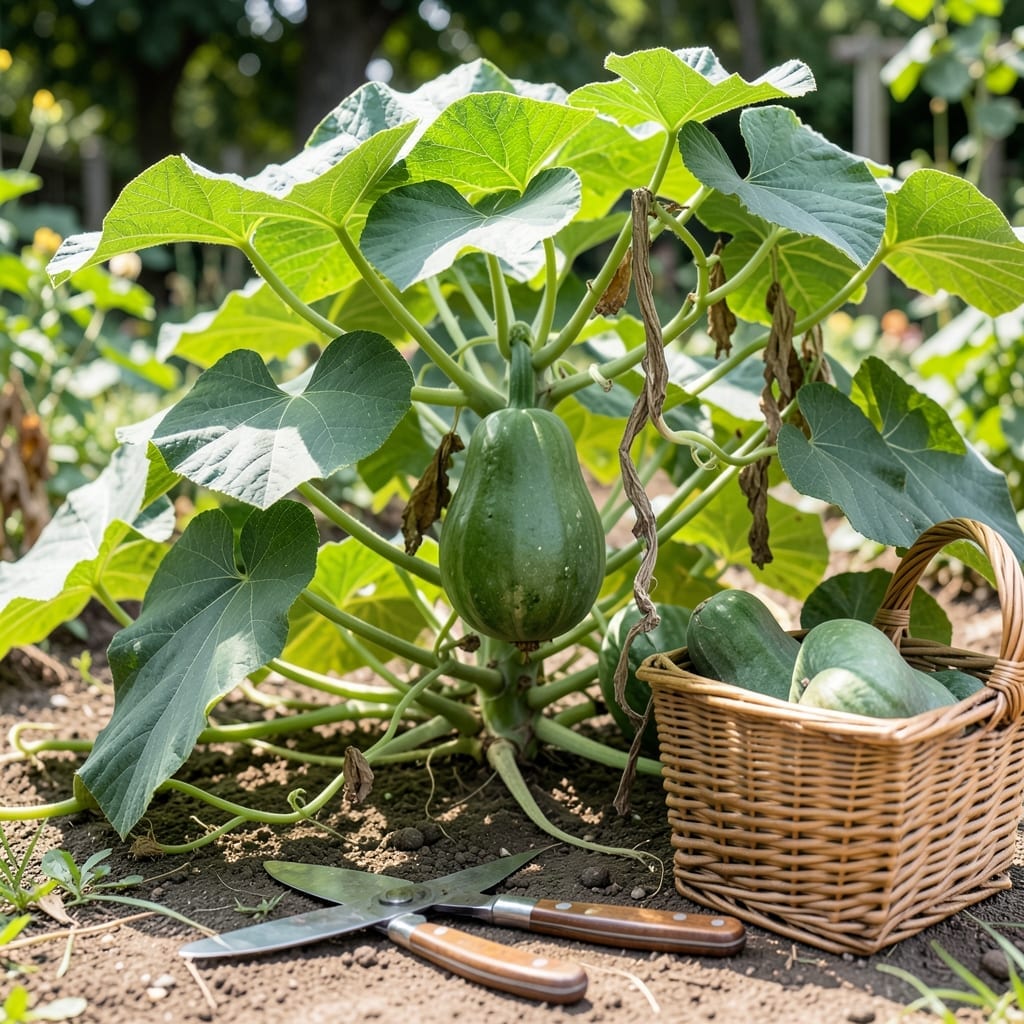
There’s nothing quite like the satisfaction of growing your own 🎃 Gourds, but knowing when to harvest can be tricky. That perfect moment often comes down to a few telltale signs you might overlook.
I’ve learned the hard way that picking too soon or waiting too long can ruin your entire crop. The difference between a successful harvest and a disappointing one often comes down to timing.
What if you could confidently identify the exact signs that your Gourds are ready? The answers might surprise you and save your harvest this season.
Let me walk you through the key indicators that separate the perfectly ripe from the not-quite-there, so you can enjoy the fruits of your labor at their peak.
I’ve found that the hard shell test is the most reliable indicator. When the outer rind resists puncture from a thumbnail press, your gourd is likely mature. This hardness develops as the fruit dries internally.
A dull rind is another clear sign. Unlike the shiny surface of immature gourds, a ready-to-pick one will have a matte finish. This change happens as the gourd ripens in the final weeks.
| Sign | Description |
|---|---|
| Hard Shell | Resists thumbnail pressure |
| Dull Rind | Matters less shiny when ripe |
| Dry Stem | Turns brown and woody |
| Hollow Sound | Makes a hollow noise when tapped |
The stem condition is just as important. A brown, dry stem indicates the gourd has stopped growing. If the stem is still green or flexible, it’s not ready yet. This is nature’s way of signaling completion.
Another test I use is the sound check. Tap the gourd lightly—if it sounds hollow, it’s mature. This hollow sound means the internal moisture has reduced, which is ideal for storage.
Watch for color changes too. While this varies by variety, most gourds deepen or shift in hue as they ripen. For example, bottle gourds often turn from green to tan or brown.
I also check the weight. A mature gourd feels light for its size because the water content has decreased. Compare it to similar-sized gourds to gauge readiness.
The vines can offer clues as well. When the foliage starts yellowing or dying back, the gourds are likely nearing harvest time. This is a natural part of the plant’s life cycle.
Remember that gourds don’t ripen after picking like some fruits. So, it’s crucial to wait for these signs before harvesting. Picking too early can lead to rot or poor storage life.
In my experience, the combined approach works best. Use the thumbnail test, check the rind appearance, and listen for the hollow sound. When all signs align, it’s time to harvest. ✂️
Testing your gourds for readiness is simpler than you might think. I always start with the thumbnail test—gently press your nail into the shell. If it resists, that’s a great first sign of maturity. This method works for most hard-shell gourds.
The next step is checking the stem condition. A dry, brown stem indicates the gourd has stopped growing and is ready. If it’s still green and flexible, give it more time on the vine 🌱
Another reliable method is the shake test. Hold the gourd to your ear and give it a gentle shake. You should hear the seeds rattling inside when it’s ready. This works particularly well for bottle gourds and larger varieties.
Be careful not to confuse a soft spot with maturity. I’ve seen many gardeners make this mistake—if any part of the shell gives easily under pressure, it’s not ready. The entire surface should feel uniformly hard.
For ornamental gourds, color changes can be misleading. While some varieties develop vibrant hues, others remain green until fully mature. Always combine color observation with the physical tests mentioned above.
Finally, consider the time of year. Most gourds reach maturity between 90-120 days after planting. If your gourds are approaching this age range and showing other signs, it’s probably safe to harvest ✂️