
Beautiful Plants For Your Interior
Beautiful Plants For Your Interior
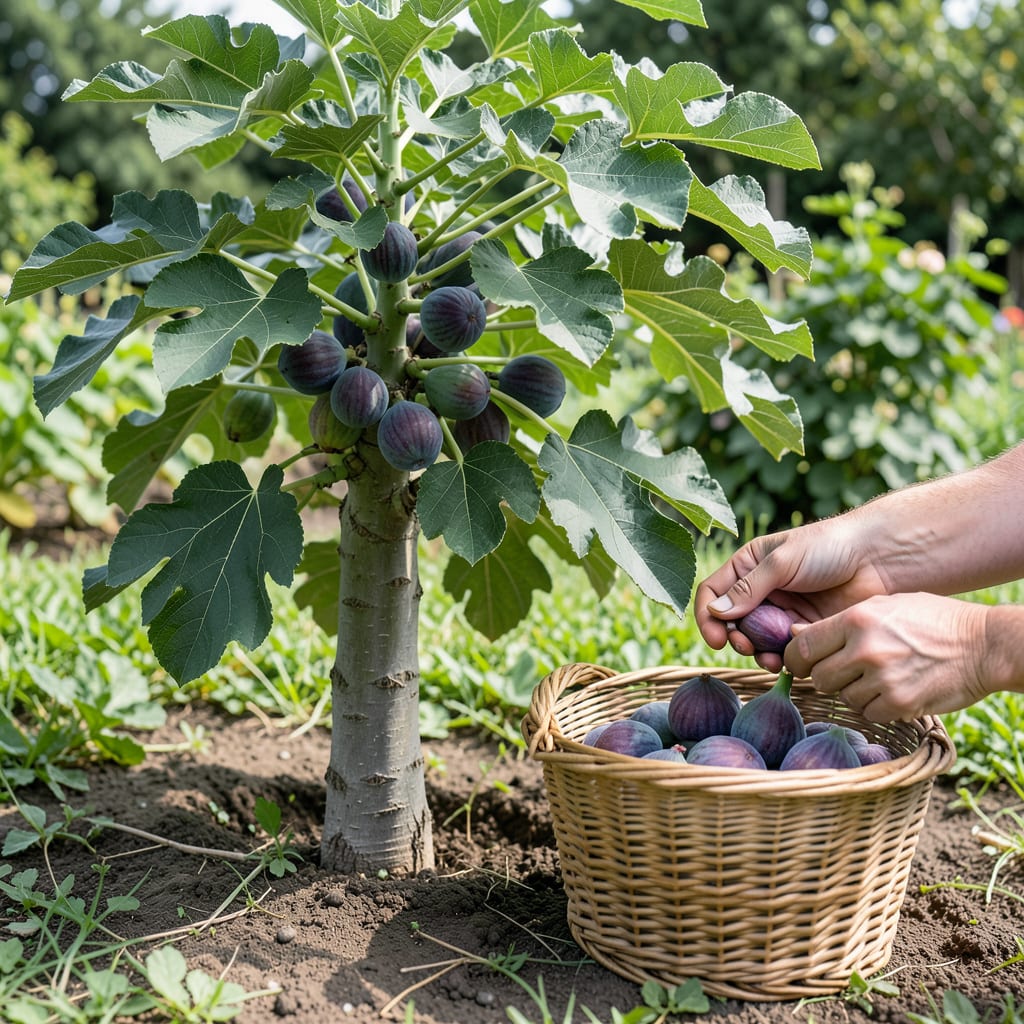
Nothing beats the sweet, jam-like flavor of a perfectly ripe 🍈 fig plucked fresh from your tree. Miss the right moment, and your figs might be underripe or overripe.
Discover the subtle signs that signal your figs are ready for harvest. From color changes to gentle softness, I’ll show you exactly what to look for to enjoy the best flavor.


Timing your fig harvest perfectly ensures the best flavor and texture. I’ve found that watching for visual cues is the most reliable way to know when they’re ripe. Figs won’t continue ripening once picked, so getting it right the first time is key.
The most obvious sign is a color change. Depending on the variety, figs shift from green to deep purple, brown, or black. For example, Black Mission figs turn nearly black, while Brown Turkey figs develop a rich brown hue.
| Variety | Ripe Color | Key Trait |
|---|---|---|
| Black Mission | Deep black-purple | Sweet, jam-like flesh |
| Brown Turkey | Rich brown | Mild, nutty flavor |
| Celeste | Violet-blue | Honey-like sweetness |
| Kadota | Golden yellow | Creamy texture |
Another sure sign is texture. Ripe figs feel slightly soft when gently squeezed, similar to a ripe avocado. If they’re still hard, they need more time on the tree. I always check a few fruits from different branches to confirm consistency.
Watch for the neck droop. As figs ripen, the stem near the fruit bends, and the fig hangs downward. This is nature’s way of signaling that it’s ready to be picked. A drooping neck paired with the right color is a clear indicator of ripeness.
A sweet aroma near the fruit is another giveaway. Ripe figs emit a subtle, fragrant scent that’s hard to miss if you’re close to the tree. If you don’t smell anything, the figs likely aren’t ready yet. I often take a deep breath near the tree to catch this telltale sign.
Finally, ripe figs detach easily from the branch with a gentle twist. If you have to pull hard, the fig isn’t ripe. This ease of detachment prevents damage to both the fruit and the tree. I always use my hands, never tools, to avoid bruising.
Different varieties may have slightly different cues, but these universal signs work for most common fig types. For example, Green Ishia figs stay green but develop a yellowish tint when ripe. Knowing your specific variety helps fine-tune your harvest timing.
I’ve learned that morning harvesting is ideal. Figs are at their peak freshness after a cool night, and the sugars are most concentrated. Avoid picking during the heat of the day, as the fruit can become overly soft or split.
If you’re unsure, do a taste test. Sample a fig from a different part of the tree. If it’s sweet and flavorful, the rest are likely ready. If it’s bland or milky, wait a few more days and check again. This method ensures you don’t miss the perfect window.
With these signs in mind, you’ll never be left wondering when are figs ready to harvest again ✂️
Even with visual cues, I always double-check ripeness before harvesting. The squeeze test is my go-to method: gently press the fig with your thumb. A ripe fig yields slightly, like a soft peach, while unripe ones stay firm.
For absolute certainty, I perform a taste test. Pick one fig from a sunny spot and another from a shaded area. If both are sweet and juicy, the rest are likely ready. If either tastes bland or milky, wait 2-3 more days before checking again.
Another reliable method is the weight check. Ripe figs feel noticeably heavier due to their high sugar content. Compare the weight of several figs in your hand—those that feel denser are usually ripe.
I also look for milky sap. Unripe figs release a white, milky substance when picked. If you see this sap, the fig needs more time. Ripe figs, however, come away clean with no sap. This is one of the most foolproof indicators I’ve found.
The stem test works well too. A ripe fig’s stem near the fruit bends easily and the fig detaches with a gentle twist. If it resists, leave it be. I always use my fingers, never tools, to prevent bruising the delicate fruit.
For best results, check your figs in the early morning. That’s when they’re most firm and the sugars are concentrated. Avoid harvesting after rain, as excess moisture can cause splitting. With these tests, you’ll always know the perfect harvest time ☀️
Harvesting figs at the wrong time can ruin your entire crop. I’ve seen gardeners make the mistake of picking too early, resulting in bland, underdeveloped fruit. Figs won’t ripen off the tree, so timing is everything.
Another common error is using tools to harvest. Figs bruise easily, so always use your hands. A gentle twist is all it takes for a ripe fig to detach cleanly. Tools can damage the fruit and the tree.
⚠️ Avoid These Harvesting Mistakes
Harvesting too early or too late leads to poor flavor and texture. Always check for color, softness, and drooping neck before picking.
Ignoring weather conditions is another pitfall. Harvesting figs after heavy rain can lead to splitting, as the fruit absorbs too much moisture. I always check the forecast and aim for a dry morning to pick my figs.
Mishandling ripe figs is a frequent issue. They’re delicate, so place them in a single layer in a shallow container. Avoid stacking, as this can cause bruising. I use a basket lined with a soft cloth to protect the fruit.
Finally, don’t overlook post-harvest care. Figs have a short shelf life, so eat or preserve them quickly. Store them in the fridge for up to 3 days, but they’re best enjoyed fresh from the tree ✂️
Overripe figs become mushy, split open, or ferment slightly with a sour smell. They may also attract fruit flies or drip syrup. Harvest before this stage for best flavor.
No, figs won’t ripen after picking. Green figs are underripe and will remain hard and bland. Wait for color change to deep purple, brown, or black depending on variety.
Early morning is ideal when figs are firmest and sugars most concentrated. Avoid harvesting after rain or during peak heat to prevent splitting or bruising.
Fresh figs have a short shelf life of just 2-3 days at room temperature. Store in the fridge for up to 1 week in a single layer to maintain quality.
